Key Specifications for Outdoor Small Kitchens

application/outdoor-small-kitchen-ideas, application/outdoor-small-kitchen-ideas, 
Inquiry
Inquiry

outdoor small kitchen ideas

Creating  an outdoor  small  kitchen can enhance any residential or commercial space,  providing a functional and enjoyable  cooking  area  that  complements outdoor  living.  This article will explore  key specifications, common challenges, and applications of  outdoor  small kitchens, helping buyers navigate their  purchasing  decisions effectively.  Whether you are an architect, contractor, or  purchasing manager,  understanding these aspects  will ensure you make informed choices that meet  your project's needs.

Outdoor Small Kitchens for Wholesale Buyers

Outdoor Small Kitchens for Wholesale Buyers

Wholesale buyers looking to source outdoor small kitchens should focus on several crucial factors to  ensure they procure high-quality products.

Minimum Order Quantities (MOQ): Establishing the MOQ is essential when negotiating with  manufacturers. This  will impact inventory management and overall costs. Suppliers  often have  flexible MOQ options based on product variations and customization  requirements.

Customization Capabilities: Buyers  should inquire about customization options, such as size,  color, and material finishes. The  ability to  tailor products to specific market needs can  enhance competitiveness. For instance, you might explore options for Custom Outdoor Kitchens that meet specific design requirements.

Quality Control Processes:  Understanding the  supplier's quality assurance measures is vital. This includes inspections during production, material  certifications, and adherence to industry standards, ensuring that the products  meet buyer specifications.

Lead Times: Discuss expected lead times  for production and shipping. This is especially important for seasonal demand, where timely deliveries can  significantly impact  sales.

Export Markets: If you are planning  to distribute  internationally, verify the supplier's experience with export markets. Compliance with international standards and knowledge of logistics will facilitate smoother transactions.

What to Know

What to Know

Buyers should  be aware  of several essential  factors when  considering  outdoor  small kitchens:

Installation Requirements: Understanding the installation process is crucial. Check if the supplier  provides installation guidelines or services, as this can affect the overall  project timeline and cost.

Maintenance Considerations: Outdoor kitchens require regular maintenance to prolong their life.  Buyers should inquire about  cleaning recommendations  and the best  practices for maintaining the materials used.

Warranty and Support: Confirm the warranty terms offered by the manufacturer. A robust warranty can provide peace of mind  and  assurance of  the product's longevity.

Common Applications: Outdoor kitchens can serve various  purposes, from residential patios to commercial event spaces. Knowing the intended application can guide  the buyer in selecting the right  features and  appliances.

Common Problems with Outdoor Small Kitchens and Their Solutions

Common Problems with Outdoor Small Kitchens and Their Solutions

While outdoor small kitchens offer numerous benefits, common problems can arise. Here  are some  typical issues and solutions:

Moisture Damage: Outdoor kitchens are exposed to  elements that  can cause moisture damage. Choosing materials designed for outdoor use, such as WPC and thermowood, will mitigate this risk. Additionally, ensure  proper drainage and water-resistant finishes  are applied.

Temperature Fluctuations: Extreme temperature variations can warp or  damage certain  materials. Selecting high-quality, temperature-resistant materials and ensuring proper  insulation can help manage these  effects.

Pest Invasion: Outdoor kitchens can attract pests if not properly maintained. Regular cleaning and using  pest control measures can help keep the area hygienic and inviting.

Structural Integrity: Ensure that all installations  are secure and  stable. Regular inspections and maintenance checks can  help identify potential issues  before they escalate.

Limited Space:  In  small outdoor areas, maximizing space is crucial. Custom solutions, such as foldable tables and compact appliances, can help utilize limited  space effectively.

Applications of Outdoor Small Kitchens in Residential and Commercial Spaces

Outdoor small kitchens are versatile and can be utilized in various settings:

Residential Patios and Backyards: Homeowners are increasingly investing in  outdoor kitchens to create inviting spaces for family gatherings and entertaining guests. These kitchens can enhance property  value and outdoor living experiences.

Restaurants and Cafés: Many commercial establishments are incorporating outdoor kitchens to serve customers in open-air dining spaces. This can improve customer  experience and increase seating  capacity.

Event Venues: Outdoor kitchens are  ideal for event  spaces, allowing catering services to prepare  food on-site. This setup enhances  the  overall event experience and can streamline food service.

Community Spaces: Parks  and recreational areas  are beginning to feature outdoor kitchens, encouraging  community gatherings and events. Such installations can promote social interaction and community engagement.

Resort  and Hospitality: Hotels and resorts often include outdoor kitchens as part of their amenities, offering guests unique dining experiences. These kitchens can be designed for both guest use and staff operations.

By  understanding the specifications, challenges,  and applications of outdoor  small kitchens, buyers  can make informed decisions that align with their  project objectives. Whether sourcing for a residential or commercial application, focusing on quality, customization, and functionality will lead to successful outcomes.

Key Specifications for High-Quality Outdoor Small Kitchens

When evaluating outdoor small kitchens, several key  specifications should be considered to ensure durability, functionality, and aesthetic appeal.

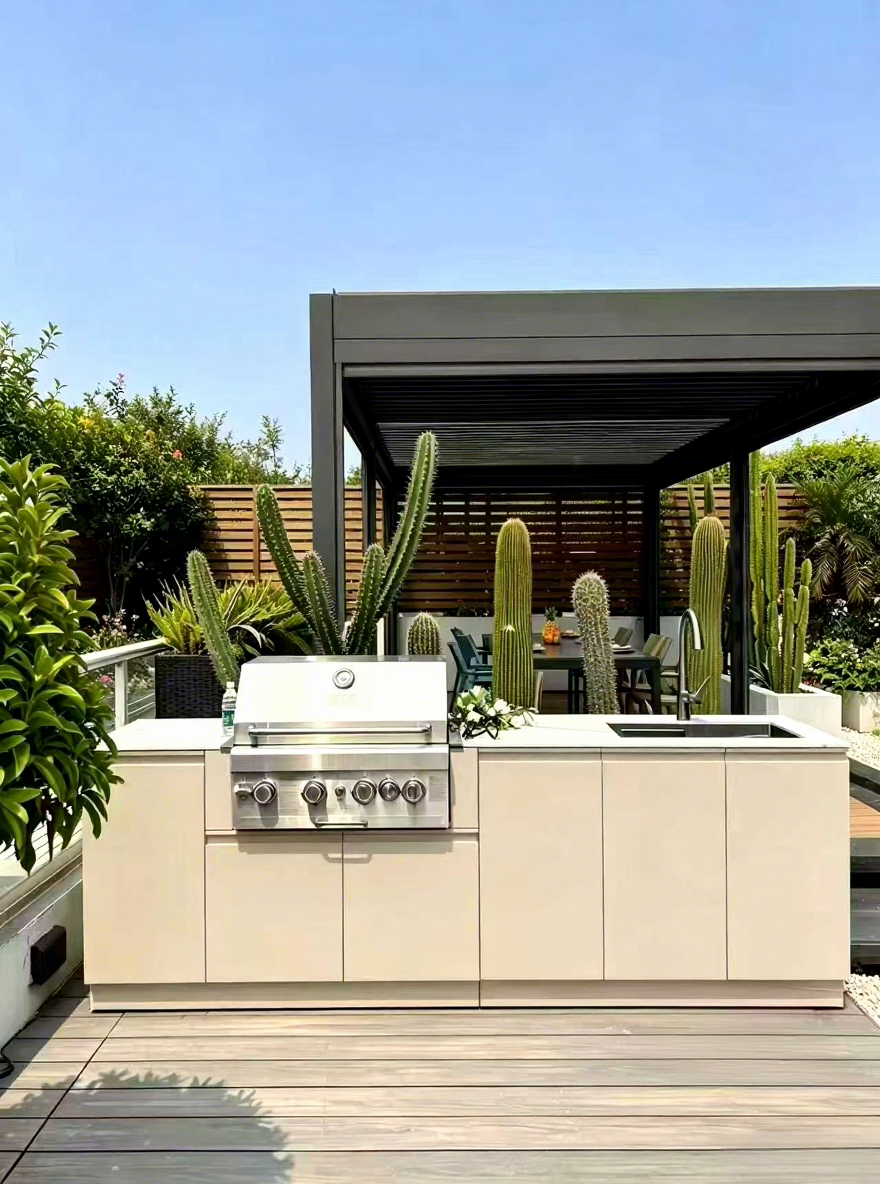
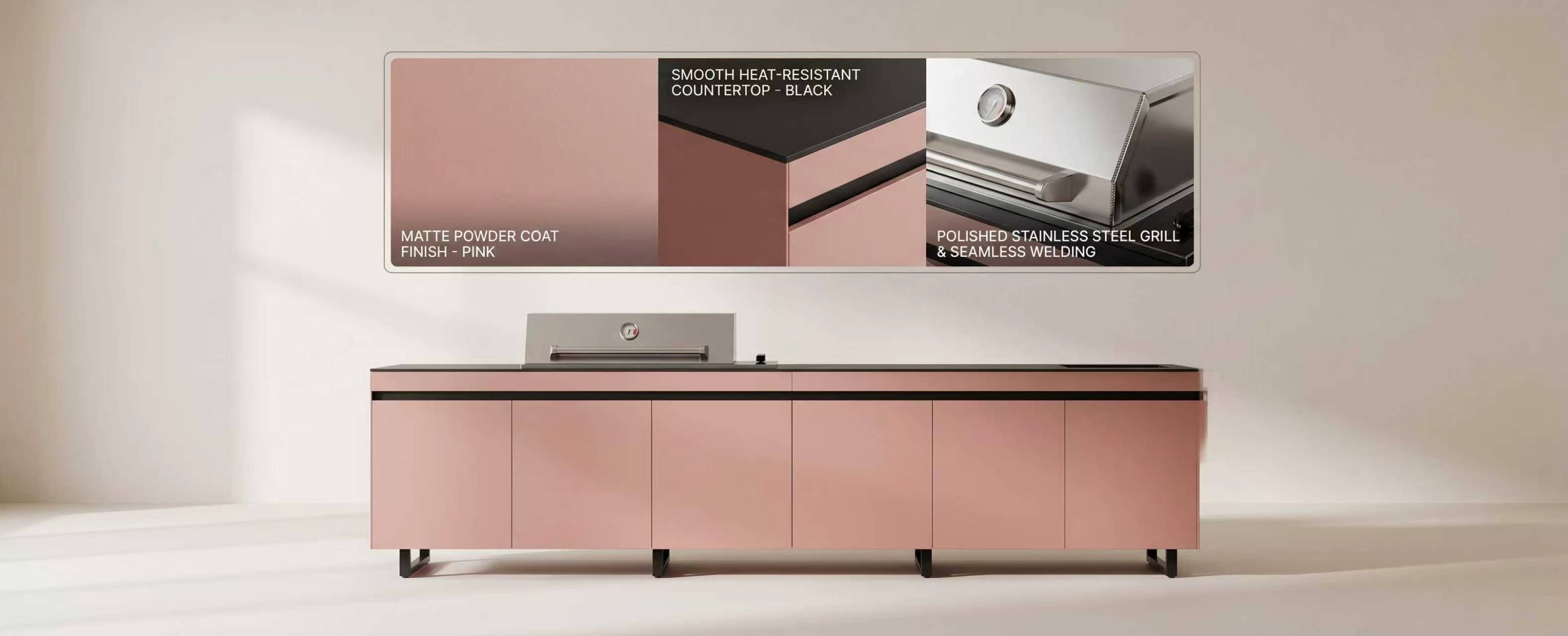
Material  Selection: The materials used in outdoor kitchens should withstand various weather conditions. Popular  options include stainless steel, which offers corrosion resistance, and composite  materials such as WPC (Wood-Plastic Composite) that combine wood's natural beauty with enhanced  durability. Thermowood products  are another excellent choice, offering stability and resistance to  moisture. Including WPC Wall Panels can also enhance the overall durability and aesthetic of the kitchen.

Dimensions and Layout: An effective outdoor small kitchen must be designed with the available space in mind. Standard dimensions  for countertops typically range from 36 to 42 inches in height, while depth can vary from 24 to 30 inches.  Buyers should consider the layout to ensure adequate workflow and functionality, especially in compact spaces.

Storage Solutions: Including cabinets and shelving  that are weather-resistant will enhance usability. Built-in storage can help  maximize space, keeping utensils and supplies organized and accessible.

Appliance Compatibility: Ensure that  the kitchen design accommodates outdoor-rated appliances, such as grills, refrigerators, and sinks. Each appliance should be selected  based  on the kitchen's intended  use and  power supply capabilities.

Ventilation and  Safety: Proper ventilation must be integrated, especially  if cooking  will be done  frequently outdoors. Consideration should also be given to safety features, such as non-flammable materials and secure installation practices.

Frequently Asked Questions

What small outdoor kitchen layouts do you recommend?

We recommend compact L-shape, linear, and island layouts that maximize space and workflow. Our designs integrate cooking, prep, and storage tailored to your site and lifestyle for residential or commercial projects.
Yes. With 16 years of experience, we use weather-resistant materials like WPC and thermowood, plus sturdy pergola options, to ensure long-lasting performance in various climates.
Yes. We offer custom dimensions, finishes, and integrated features (grills, sinks, counters) to match aesthetics and functional needs for both homes and commercial spaces.
Typical installations range from a few days to a few weeks depending on complexity. We assess site conditions, materials, and custom elements to provide a precise timeline.
Routine cleaning, seasonal checks of appliances and fixtures, and periodic sealing or cleaning of WPC or thermowood surfaces keep the kitchen in top condition. We provide care guidance with each project.

Get a Free Quote

Our representative will contact you soon.
0/1000