Reliable Composite Railing Suppliers and Best Practices

application/composite-railing, application/composite-railing, 
Inquiry
Inquiry

Composite railing

Composite railings have become a popular choice in both residential and commercial outdoor spaces, offering durability and aesthetic appeal. As a purchasing manager or distributor, understanding the key factors surrounding composite railing is crucial for making informed decisions. This article will guide you through evaluating suppliers, assess composite railing products specifications, best practices for composite railing for setup, cost considerations for bulk orders, and the various applications of composite railing in your projects. 

How to Assess Composite Railing Products Best Practices for Composite Railing Setup

How to Assess Composite Railing Products Best Practices for Composite Railing Setup

Assessing composite railing products involves understanding key specifications that influence their performance and suitability for your projects. Here are some critical factors to evaluate: 

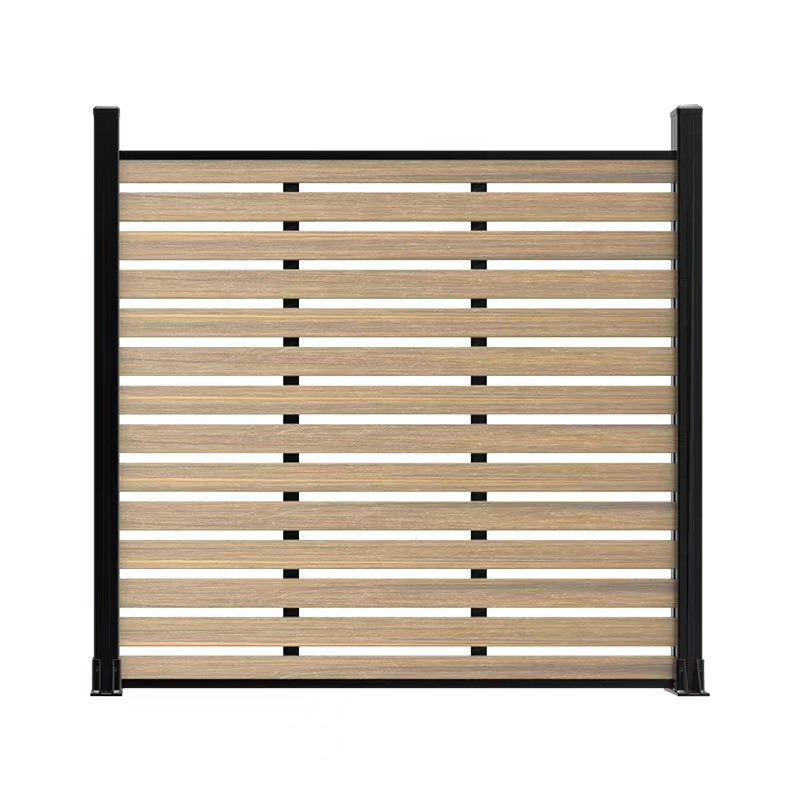
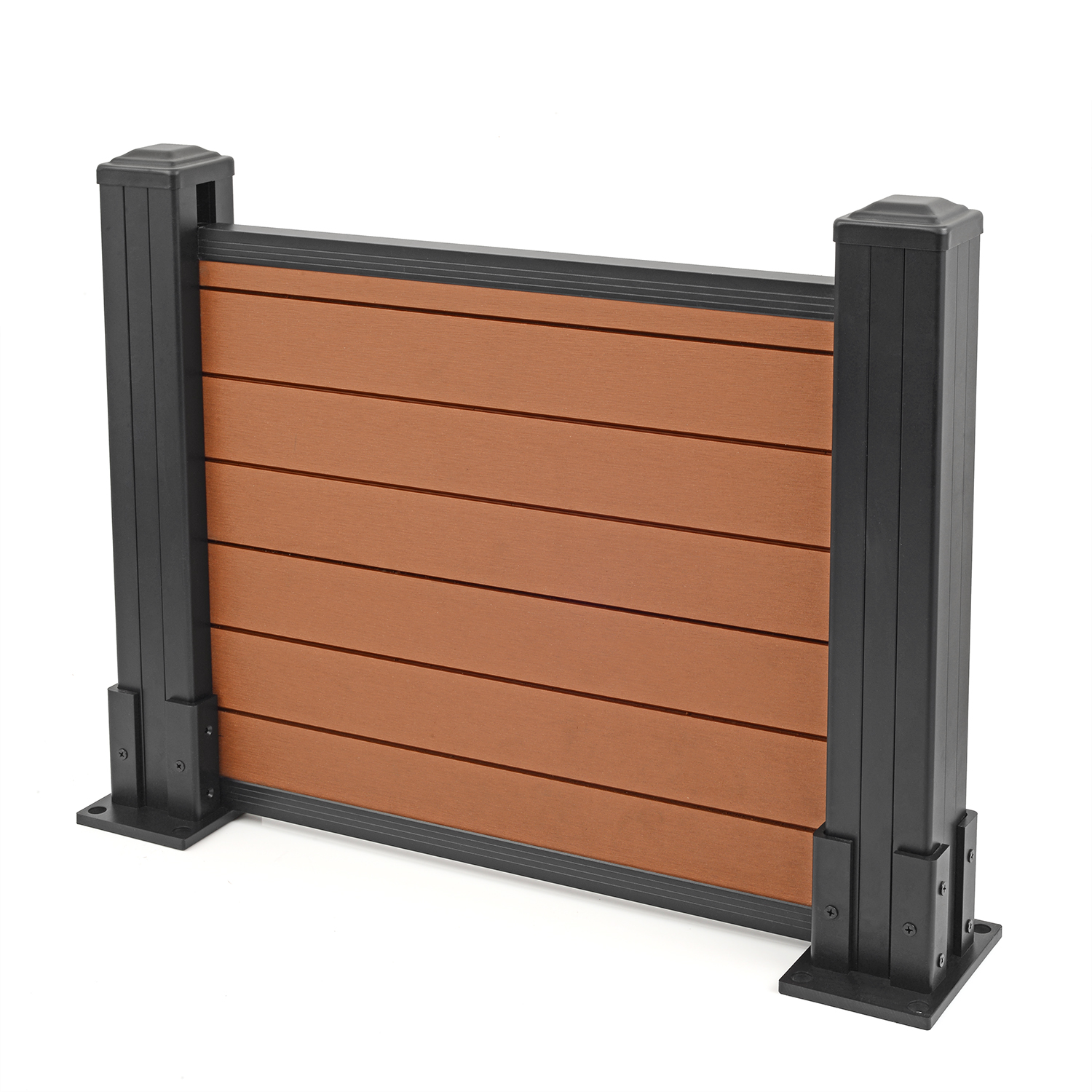
Material Composition: Composite railings are often made from a blend of wood fibers and plastic for custom build pergola, which contribute to their durability and low maintenance. Confirm the material ratios and understand how they affect strength and resistance to weather conditions. 

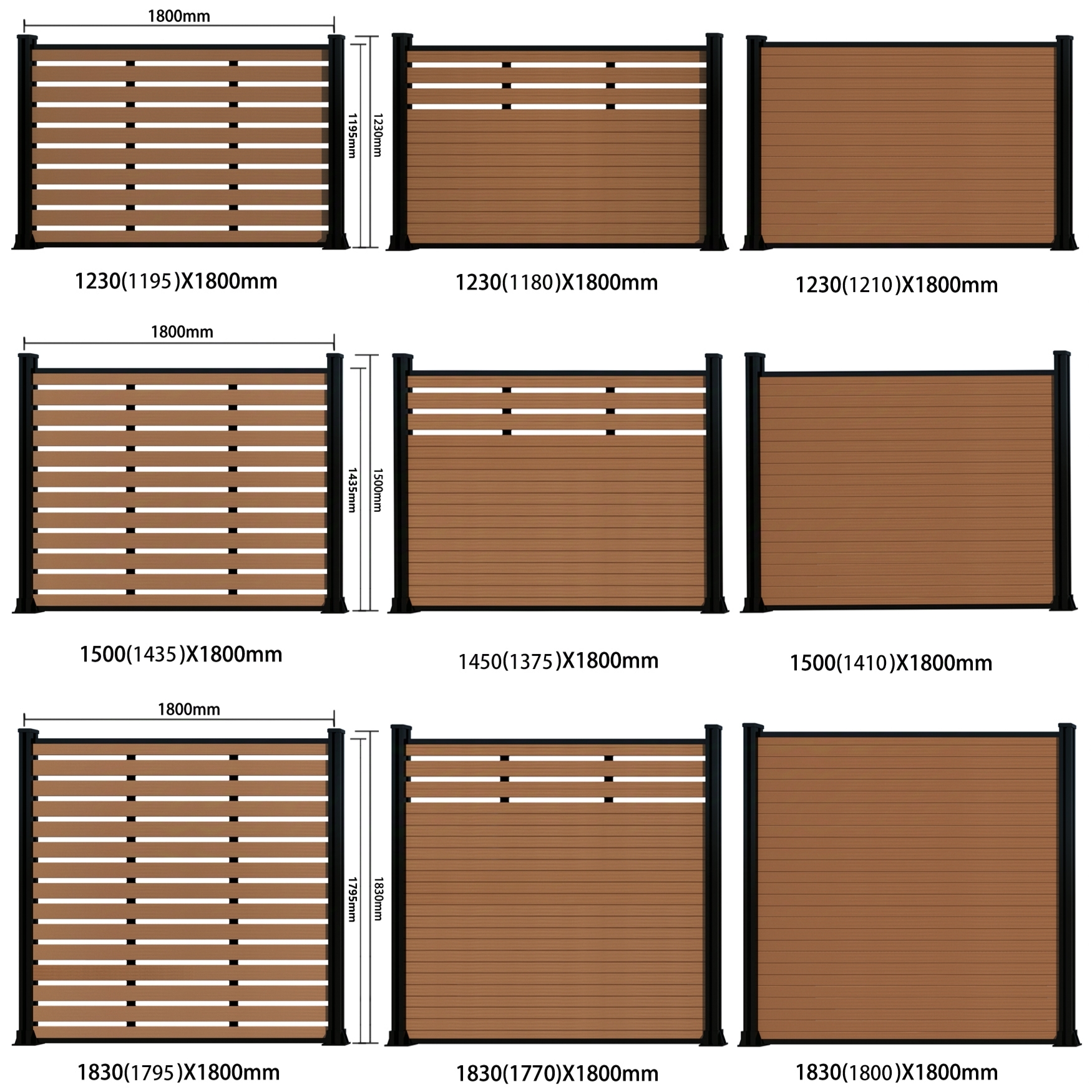
Dimensions and Load Capacity: Verify the dimensions of the railings, including height, width, and thickness. Make sure they meet your project’s structural requirements and can handle expected loads safely. 

Finish and Treatment: Check the surface finish of the composite material. A properly treated surface can enhance resistance to UV rays, moisture, and scratches, prolonging the lifespan of the railing. 

Warranty and Support: Inquire about warranties offered by the manufacturer. A robust warranty can be indicative of product quality and the manufacturer's confidence in their offerings. 

Conducting a thorough assessment of these specifications will help ensure that the composite railing products meet your expectations and project requirements. 

Best Practices for Composite Railing Setup

Best Practices for Composite Railing Setup

The installation of composite railings requires careful planning and execution to ensure safety and longevity. Here are some best practices to follow: 

Prepare the Site: Ensure that the installation site is level and clean. Any debris or uneven surfaces can affect the railing's stability. 

Follow Manufacturer Instructions: Adhere to the installation guidelines provided by the manufacturer. This may include specific fasteners or spacing requirements to maintain structural integrity. 

Check Local Codes: Verify that your installation complies with local building codes and regulations. This is particularly important for commercial projects where safety compliance is crucial.  

Consider Weather Conditions: Schedule installations during favorable weather conditions. High humidity or extreme temperatures can affect the installation process and the performance of the materials. 

Engaging experienced installers familiar with composite materials used in custom built pergola can further enhance the installation process, ensuring that the railings perform as intended. 

Cost Considerations for Bulk Orders of Composite Railing

Cost Considerations for Bulk Orders of Composite Railing

When placing bulk orders for composite railing, several cost factors should be taken into account to ensure you get the best value. These include: 

Material Costs: The price of composite railing can vary based on material quality and composition. Request quotes from multiple suppliers to compare prices effectively.  

Customization Fees: If your project requires customized railings, be aware that this may incur additional costs. Discuss your specifications upfront to avoid unexpected expenses.  

Shipping and Handling: Consider the shipping costs and logistics involved in transporting bulk orders. Some suppliers may offer bundled shipping rates, which can save money.   

Volume Discounts: Many manufacturers provide discounts for large orders. Inquire about bulk pricing and any potential savings that can be leveraged. 

By understanding these cost considerations, you can better manage your budget while ensuring you receive high-quality composite railing products. 

Applications of Composite Railing in Residential and Commercial Spaces

Composite railings are versatile and can be used across a variety of applications in both residential and commercial settings. Some common uses include: 

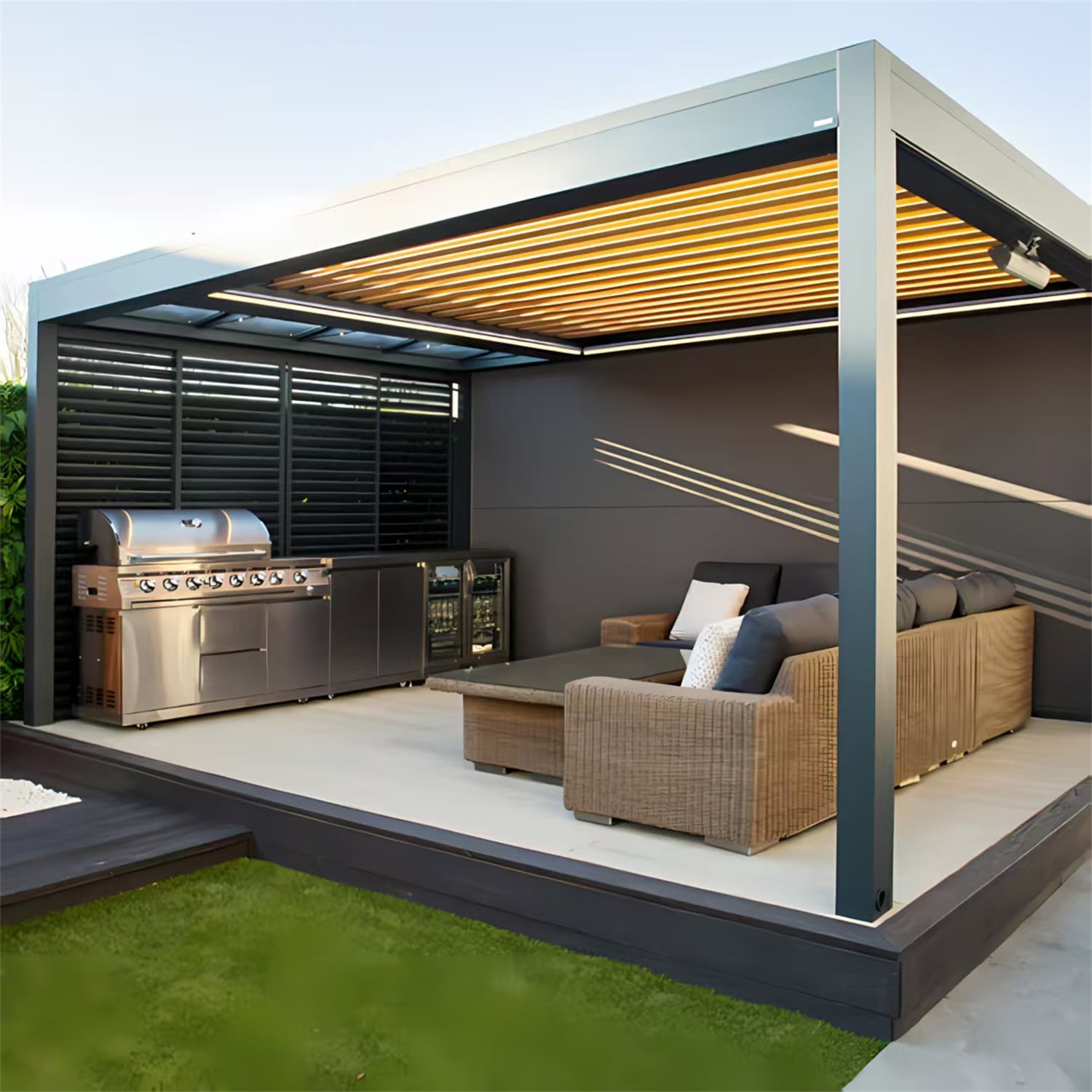
Decks and Patios: Composite railings enhance outdoor living spaces by providing safety and aesthetics, making them ideal for residential decks and patios. 

Balconies: In multi-story buildings, composite railings offer a durable and low-maintenance option for balcony safety without compromising on style. 

Staircases: Composite railings are suitable for both indoor and outdoor staircases, ensuring safety while complementing the overall design. 

Commercial Properties: Businesses can utilize composite railings in outdoor dining areas, pool surrounds, and public walkways, benefiting from their durability and minimal upkeep. 

Understanding these applications can help you determine the best use of composite railings in your projects, enhancing both functionality and visual appeal. 

By following this guide, B2B buyers can make informed decisions regarding composite railing purchases, ensuring they choose the right products and suppliers for their specific needs.    

Sourcing ISO 9001 and CE-certified co-extruded composite systems ensures high UV resistance, structural load-bearing compliance, non-splintering durability, and low maintenance overhead for commercial infrastructure. 

Finding Reliable Suppliers for Composite Railing

When searching for suppliers of composite railing, it’s essential to evaluate their reliability and capability. A trustworthy supplier should have a solid track record in manufacturing and delivering high-quality composite decking products. Look for companies that have been established in the industry, like Shenzhen Xiaozhu Garden Landscape Engineering Co., Ltd., which has 16 years of experience in outdoor living solutions. 

Key factors to consider include: 

Certifications: Ensure the supplier has relevant quality certifications that reflect their adherence to industry standards. 

Product Range: A diverse product line can indicate a supplier’s expertise. Check if they offer various styles and materials of composite railings. 

Customization Options: Reliable suppliers should be able to accommodate specific project requirements or customization requests. 

Production Capacity: Understand the supplier's production capabilities to ensure they can meet your demand, especially for bulk orders. 

Request references or case studies from potential suppliers to verify their reliability and performance in previous projects. 

Frequently Asked Questions

What is composite railing made of?

Our composite railing combines wood fibers and high-grade polymers to create a durable, low-maintenance alternative to traditional wood with natural appearance and consistent performance.
Yes. Composite railing resists moisture, salt, and corrosion, making it suitable for coastal and high-humidity environments when installed per guidelines.
With proper installation and basic care, our composite railing typically lasts 15–25 years or more, resisting rot, warping, and insect damage better than untreated wood.
Minimal: occasional cleaning with soap and water, removing debris, and inspecting fasteners. No staining or sealing required, unlike traditional wood.
Yes. With 16 years’ experience we offer integrated solutions including custom design, fabrication, and professional installation for residential and commercial projects.

Get a Free Quote

Our representative will contact you soon.
0/1000