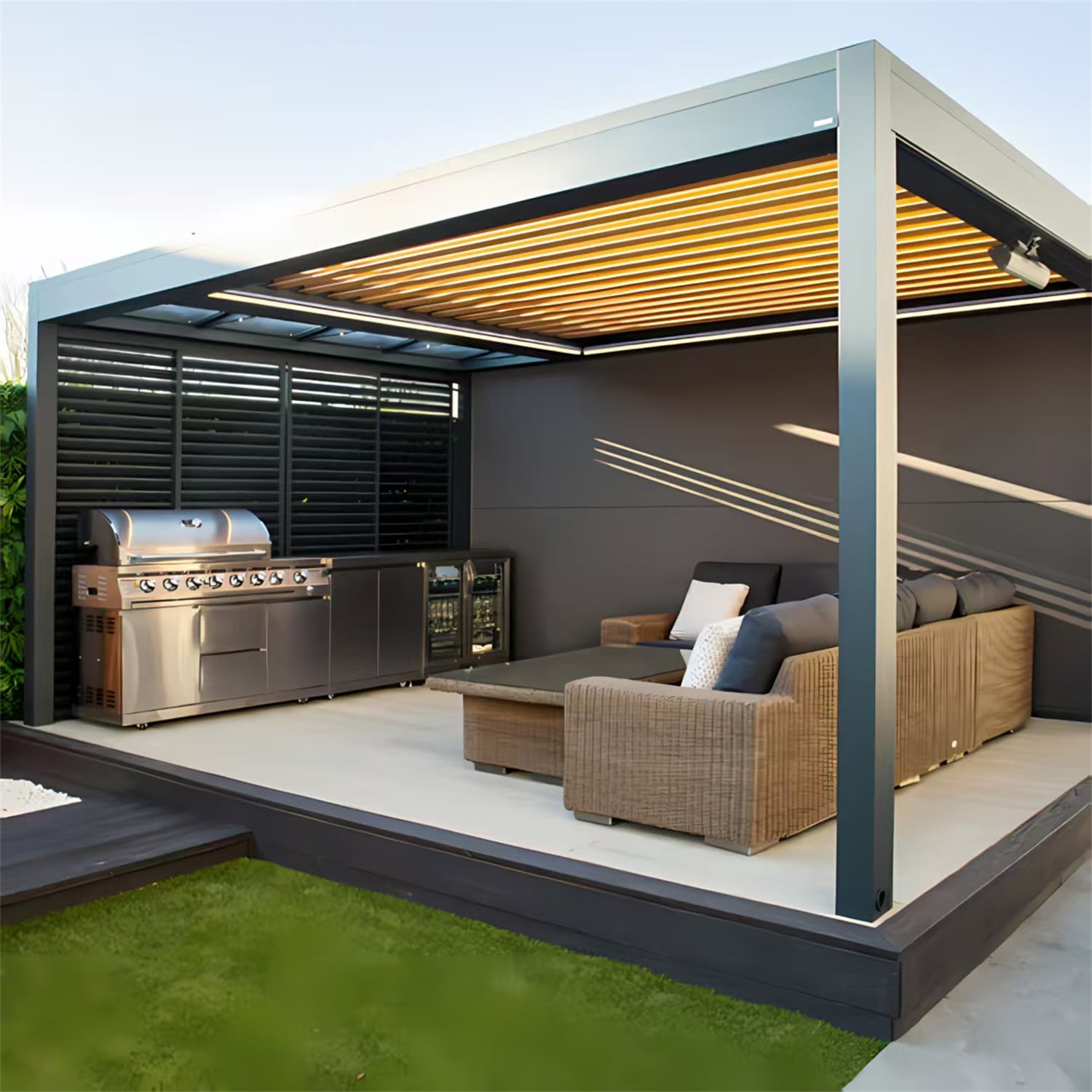
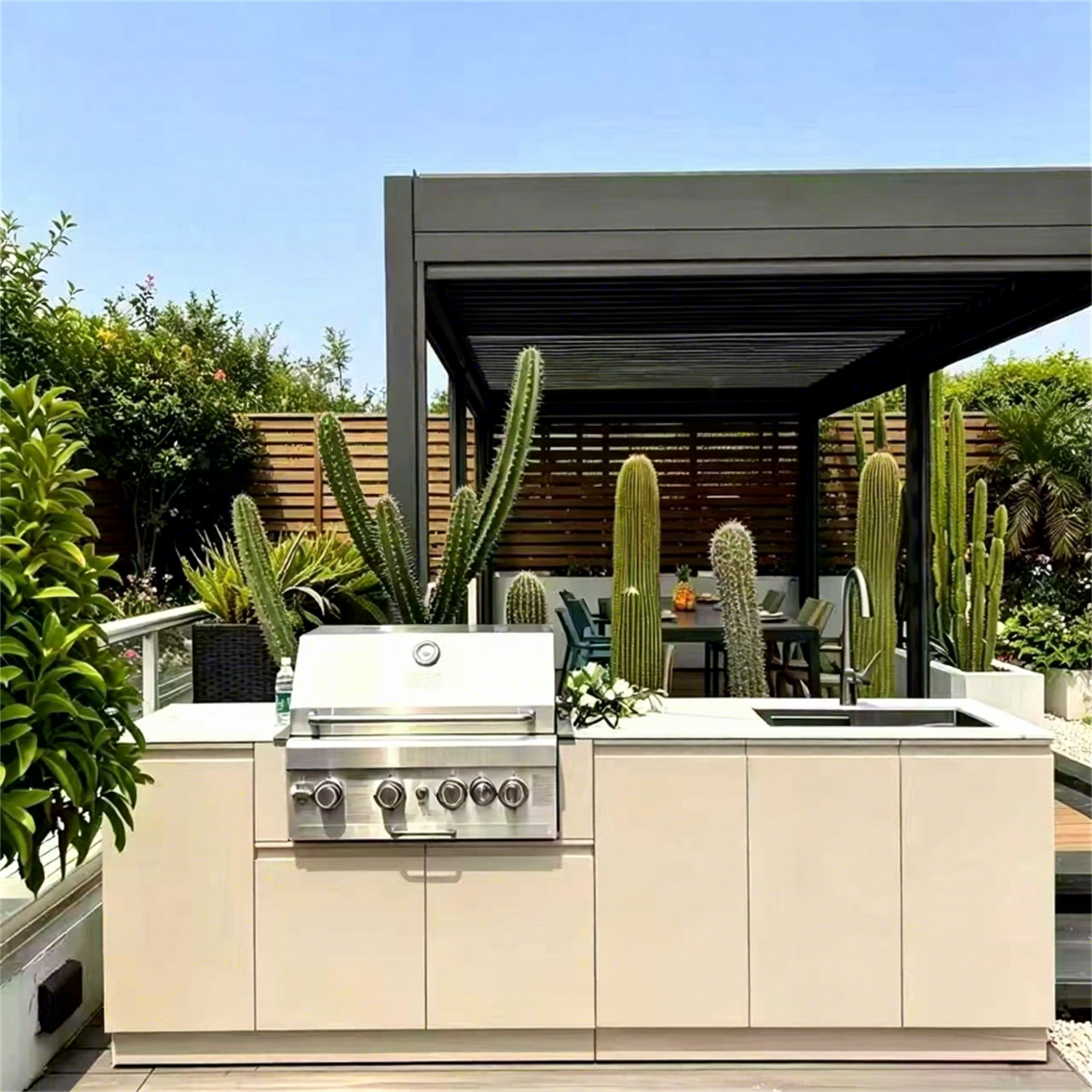
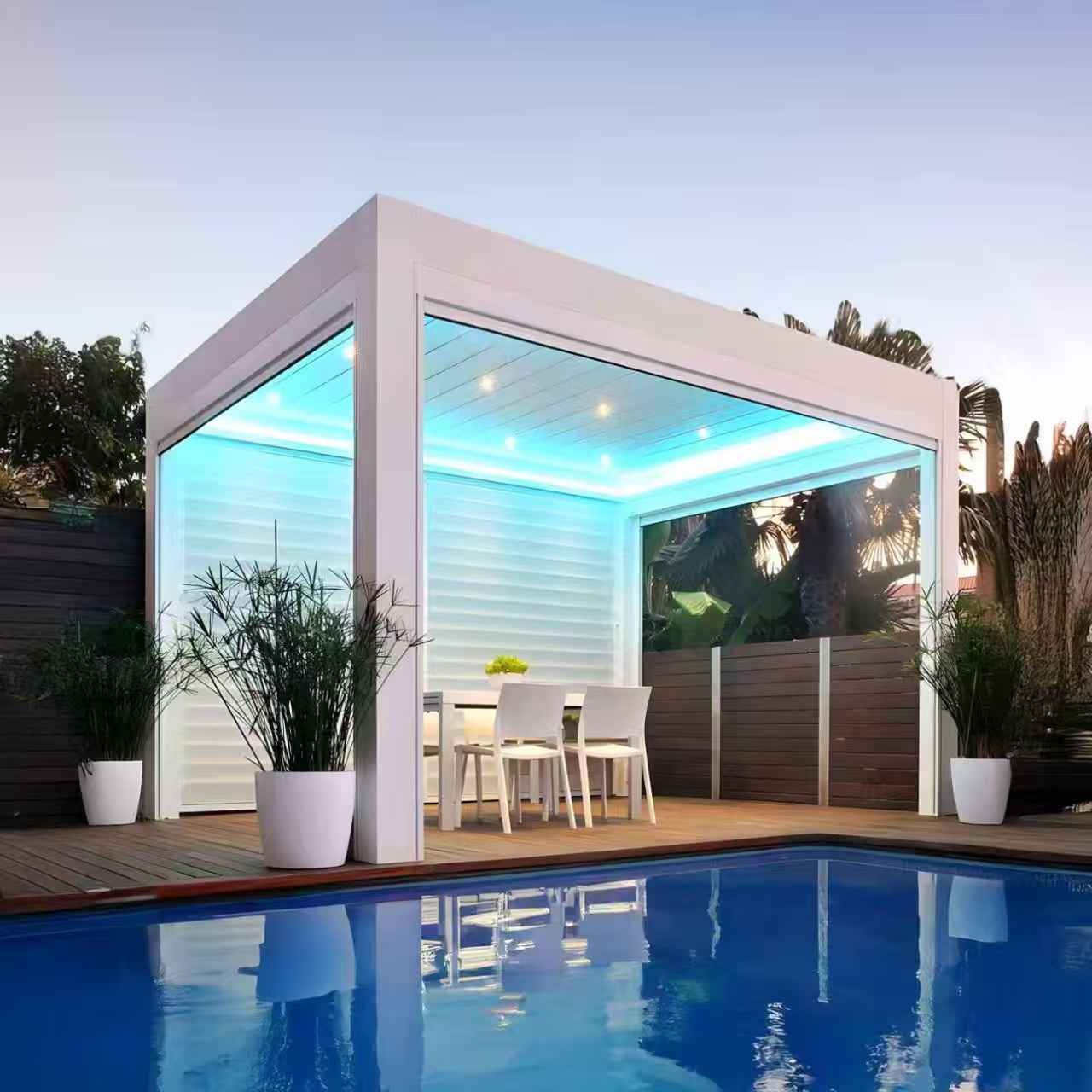
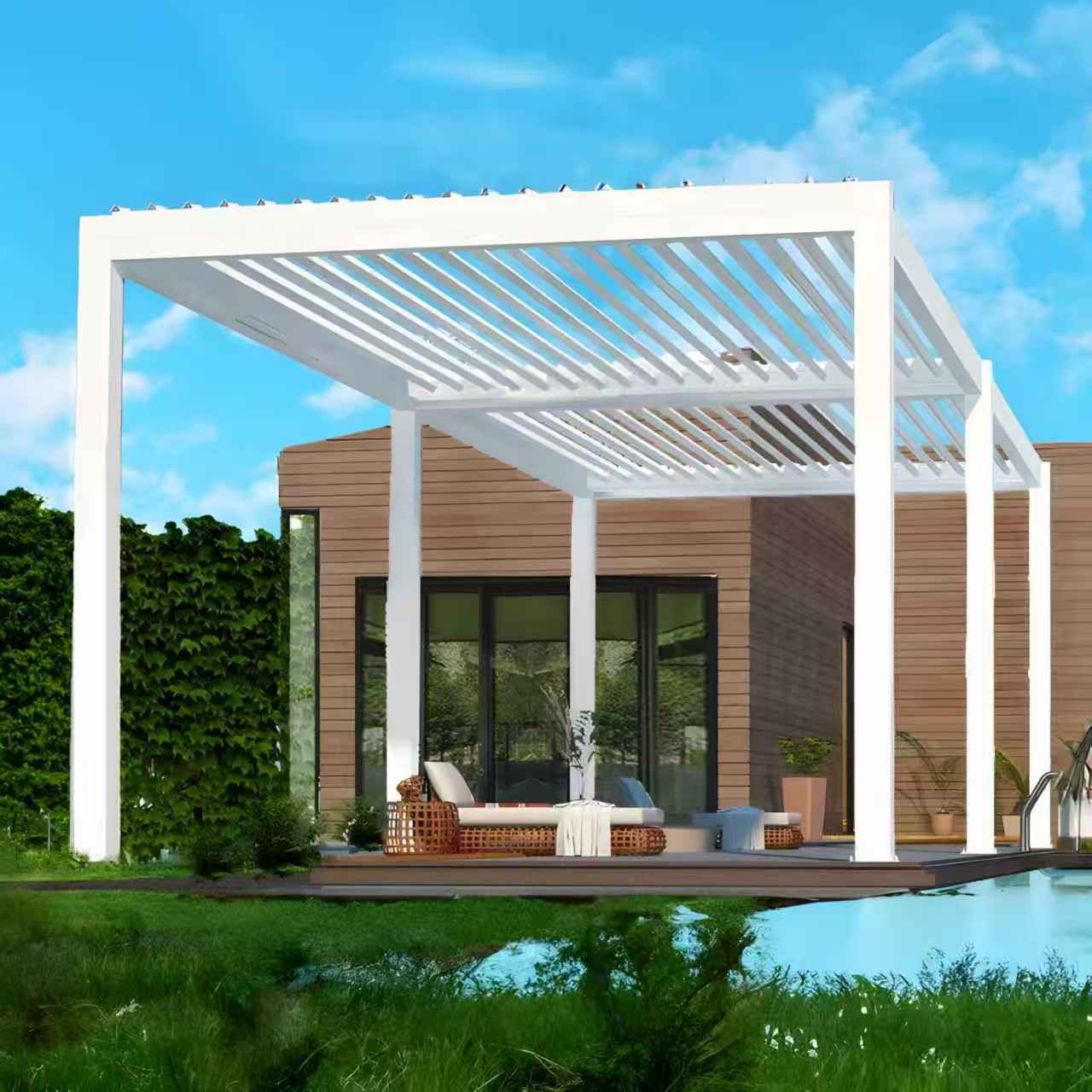
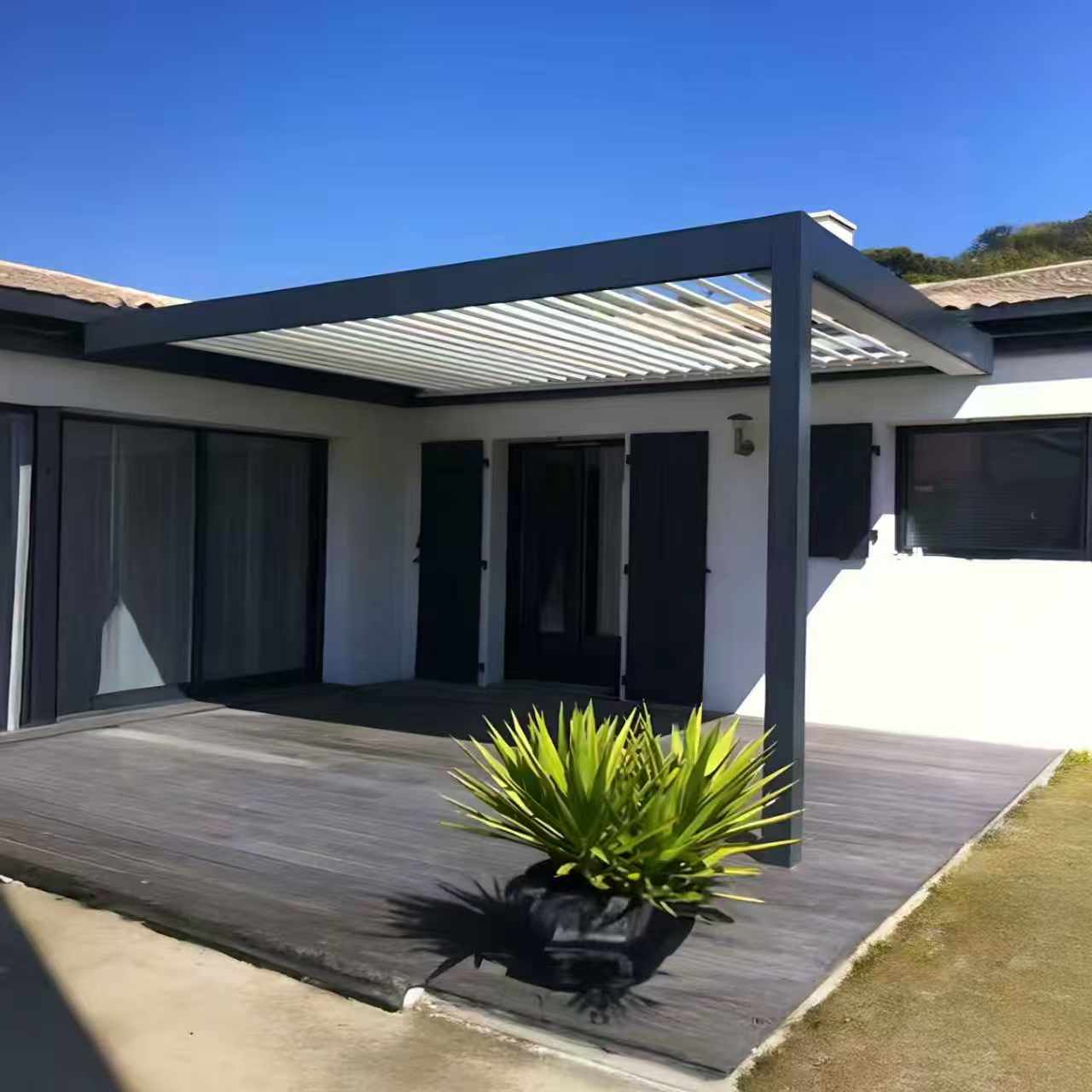
Custom Made Pergolas for Outdoor Spaces

application/custom-made-pergola, application/custom-made-pergola, 
Inquiry
Inquiry

Custom made pergola

Custom made pergolas are tailored outdoor structures designed to enhance your outdoor living spaces, providing shade, beauty, and functionality. For purchasing managers and project managers, understanding the intricacies of custom pergola is essential for making informed decisions. This article will explore key considerations in selecting custom made pergolas, including specifications, common issues and solutions, application scenarios, and tips for comparing options for your next project. 

Understanding Specifications for Custom Made Pergolas

Understanding Specifications for Custom Made Pergolas

When evaluating custom made pergolas, understanding critical specifications is vital. Key specifications include dimensions, load capacity, and material thickness. 

Dimensions: The size of the pergola should be proportionate to the space it will occupy. Measure the intended area carefully to ensure a proper fit. 

Load Capacity: This is especially crucial if the custom build pergola will support climbing plants or additional features like lighting. Ensure that the structure can handle expected loads to avoid structural failure.  

Material Thickness: Thicker materials typically provide better durability and resistance to stress. For wooden pergolas, consider the type of wood and its treatment against pests and weathering. 

Buyers should verify these specifications with their manufacturer to ensure compliance with their project needs. 

Common Problems with Custom Made Pergolas and Their Solutions

Common Problems with Custom Made Pergolas and Their Solutions

Several issues can arise during the purchasing and installation process of custom made pergolas. Here are some common problems and their solutions: 

Incorrect Measurements: One frequent issue is incorrect site measurements, leading to a pergola that doesn’t fit as intended. To mitigate this, double-check dimensions and have a professional assess the site before finalizing the design. 

Material Selection: Choosing an unsuitable material can result in poor performance. For example, wood may warp if not properly treated. Buyers should discuss material options with manufacturers, considering local climate challenges and maintenance requirements. 

Installation Challenges: Improper installation can lead to structural integrity issues. Engaging experienced installers familiar with the specific pergola design can ensure proper assembly and anchoring. 

By addressing these common problems proactively, buyers can avoid costly mistakes and ensure a successful pergola project. 

Applications of Custom Made Pergolas in Residential and Commercial Spaces

Applications of Custom Made Pergolas in Residential and Commercial Spaces

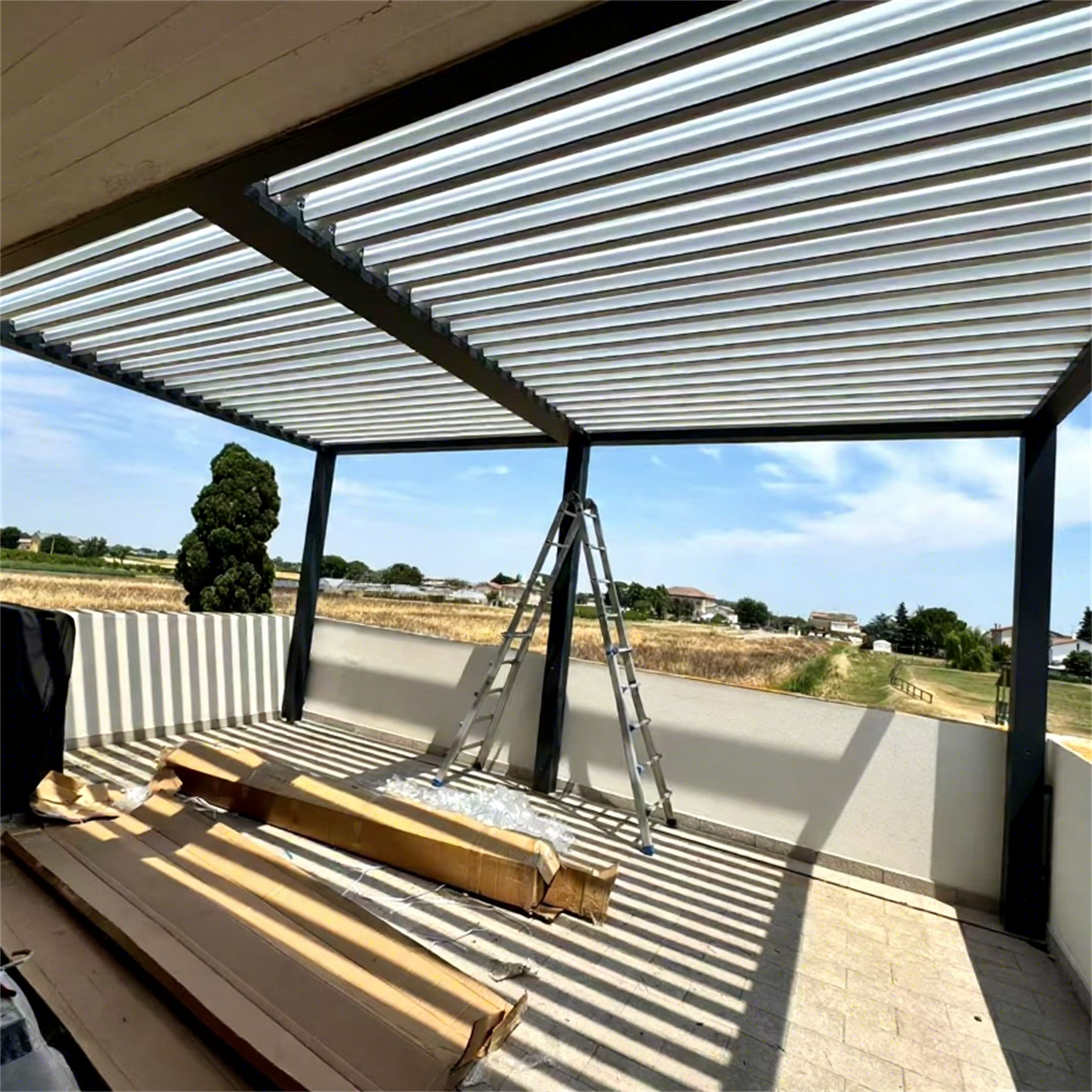
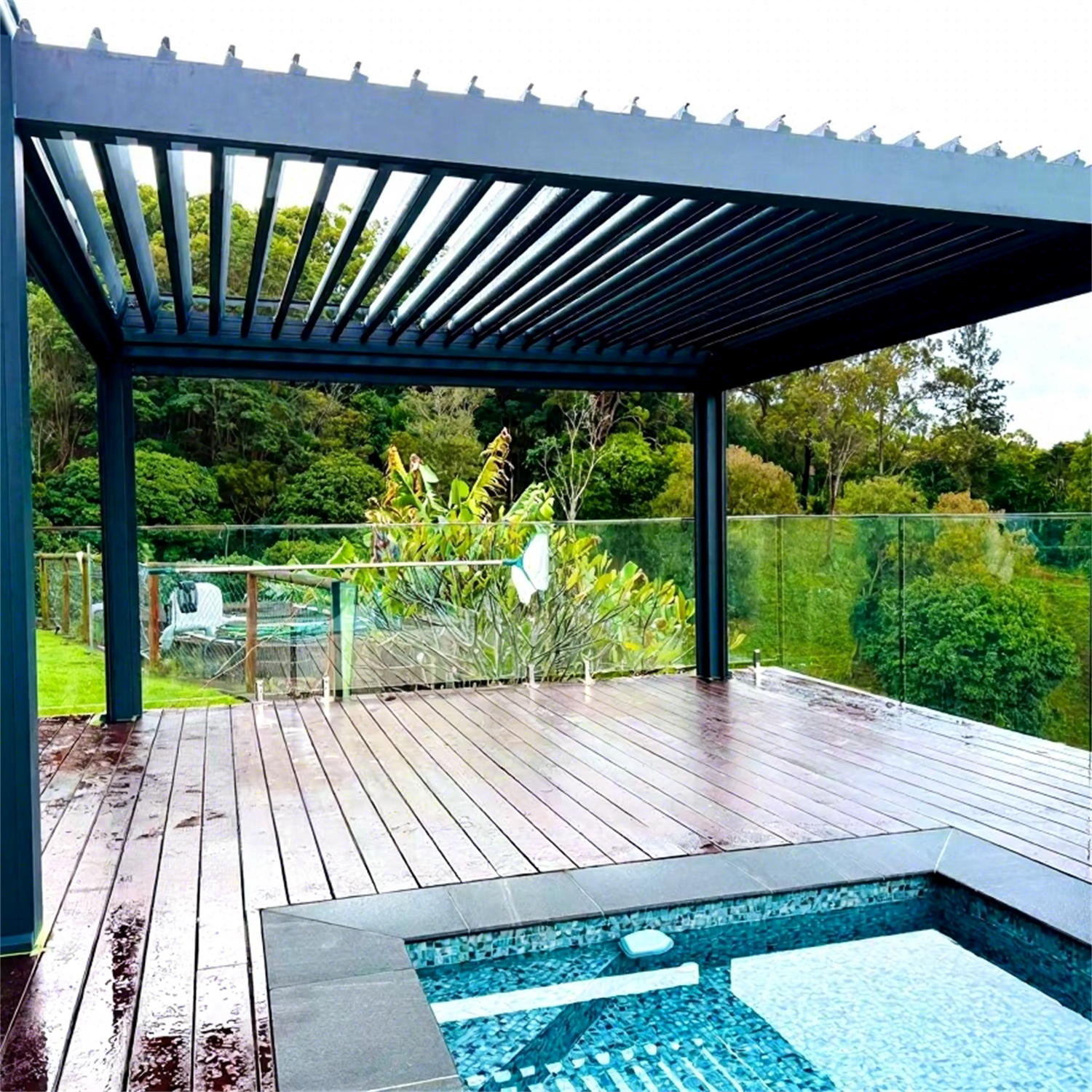
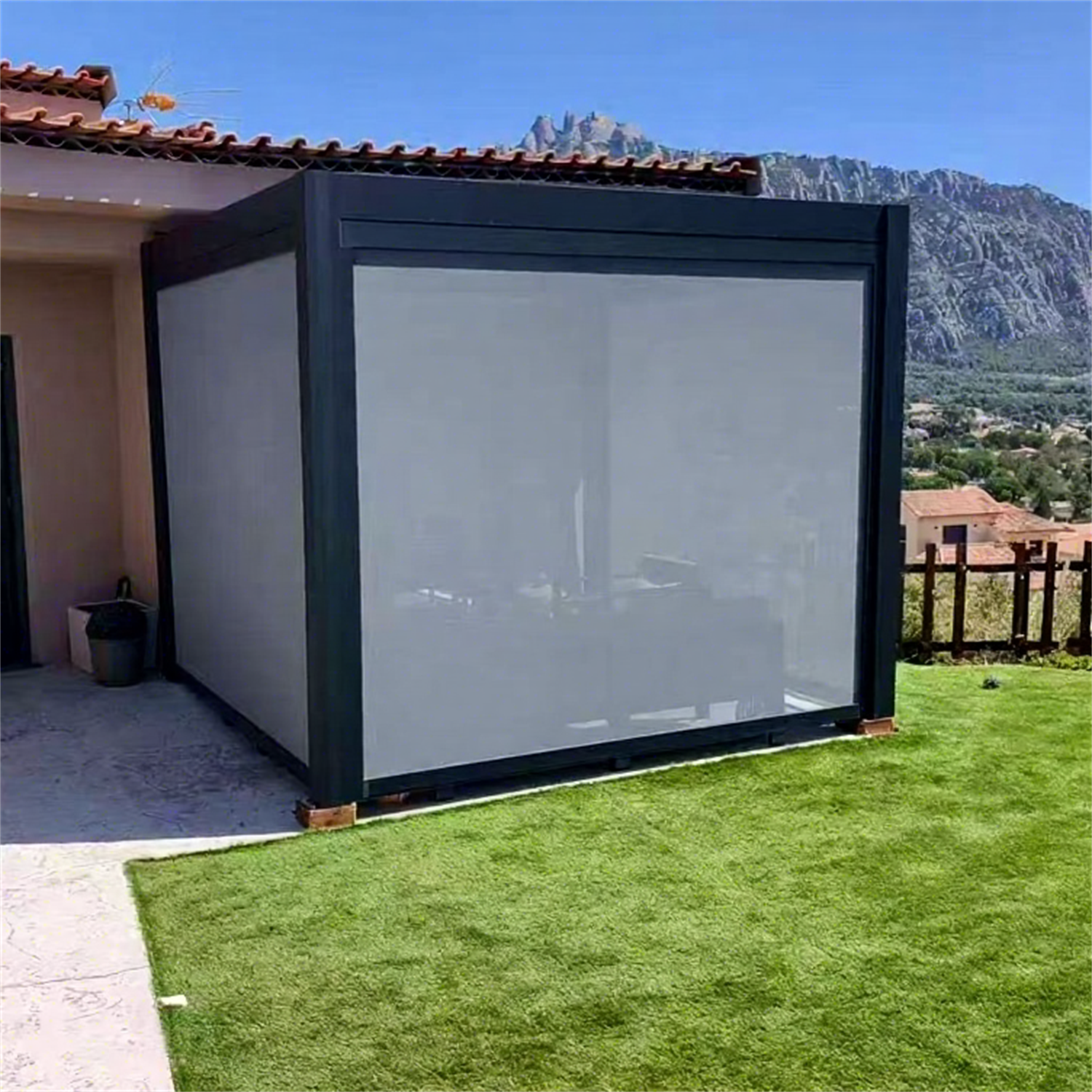
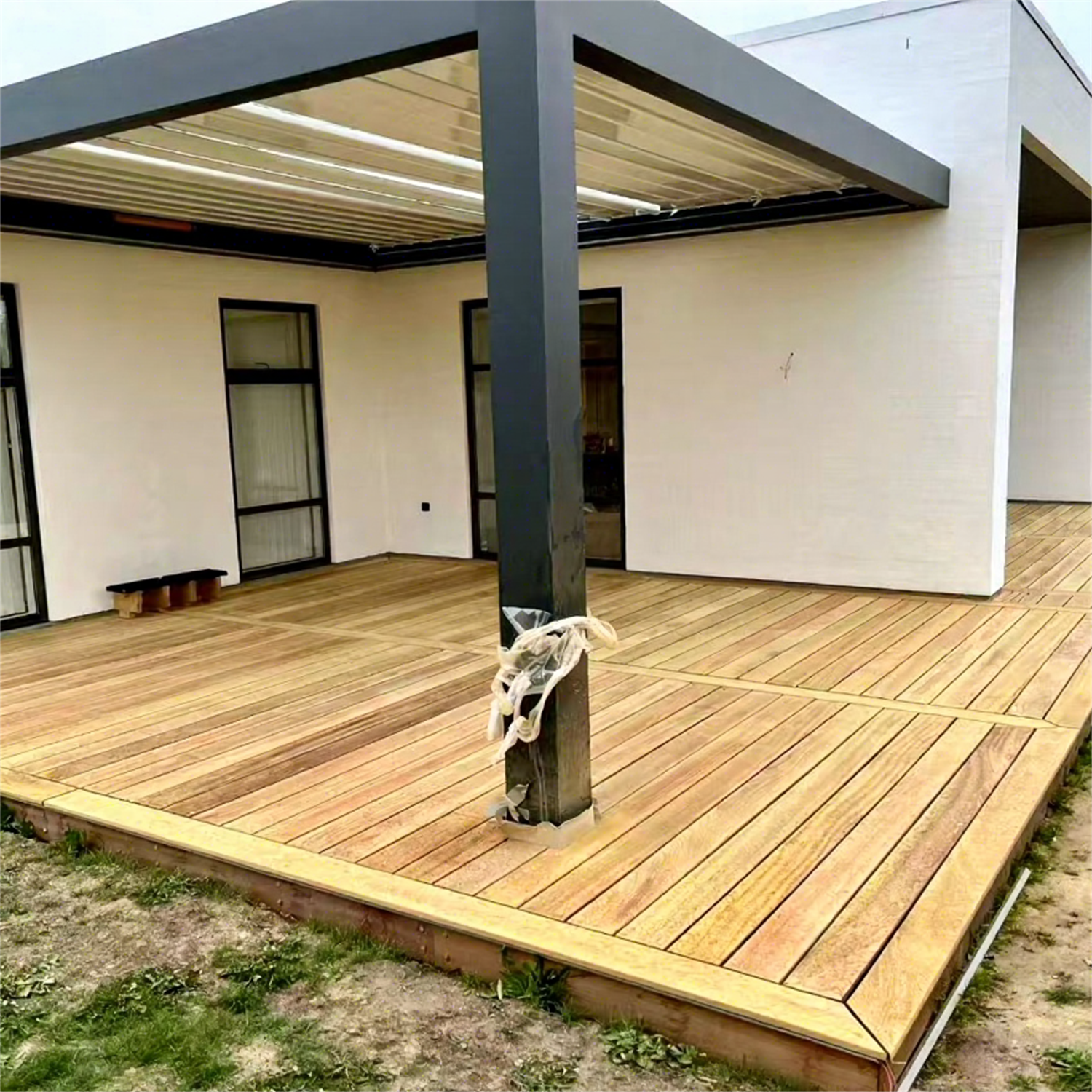
Custom made pergolas find applications in both residential and commercial settings, enhancing outdoor areas for various purposes. 

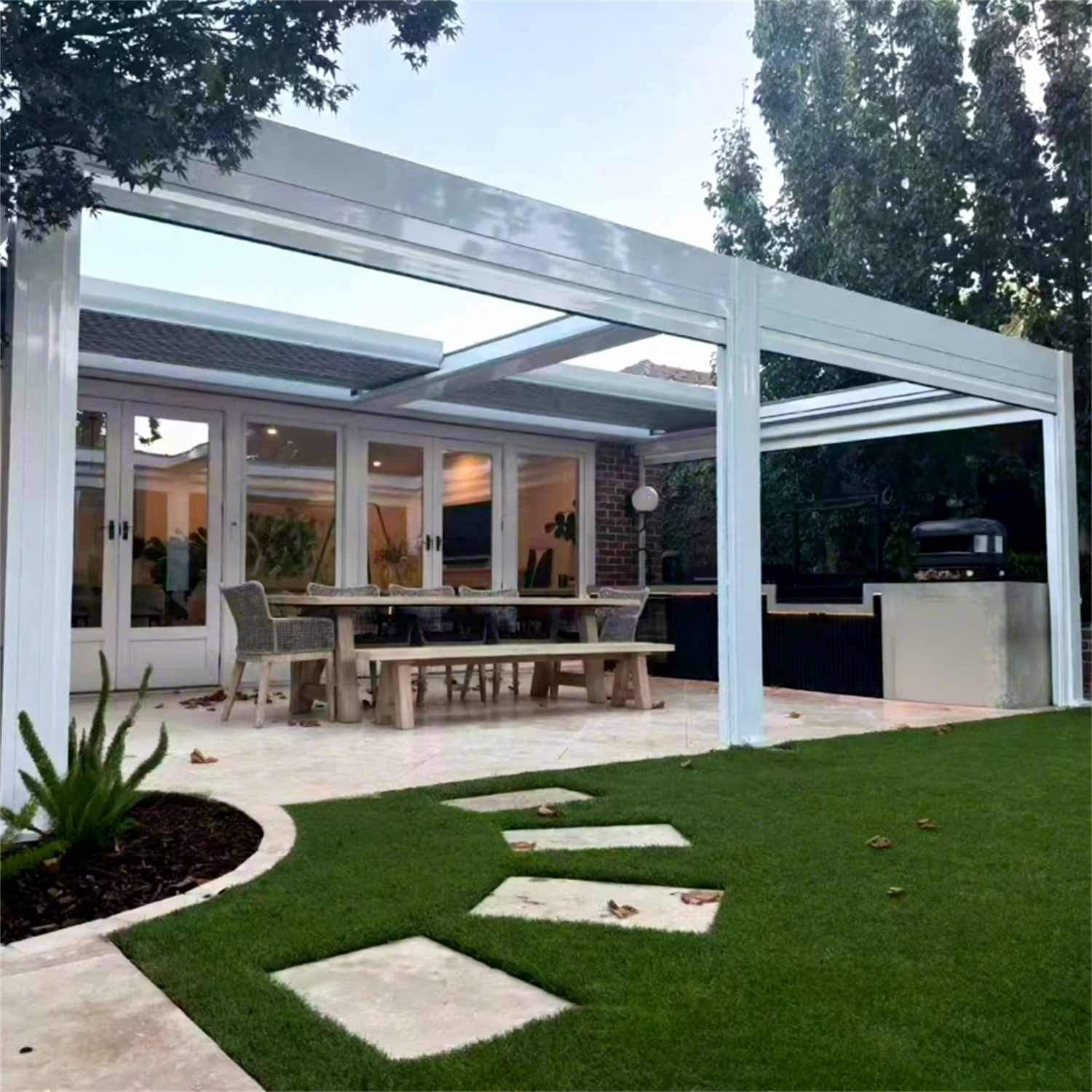
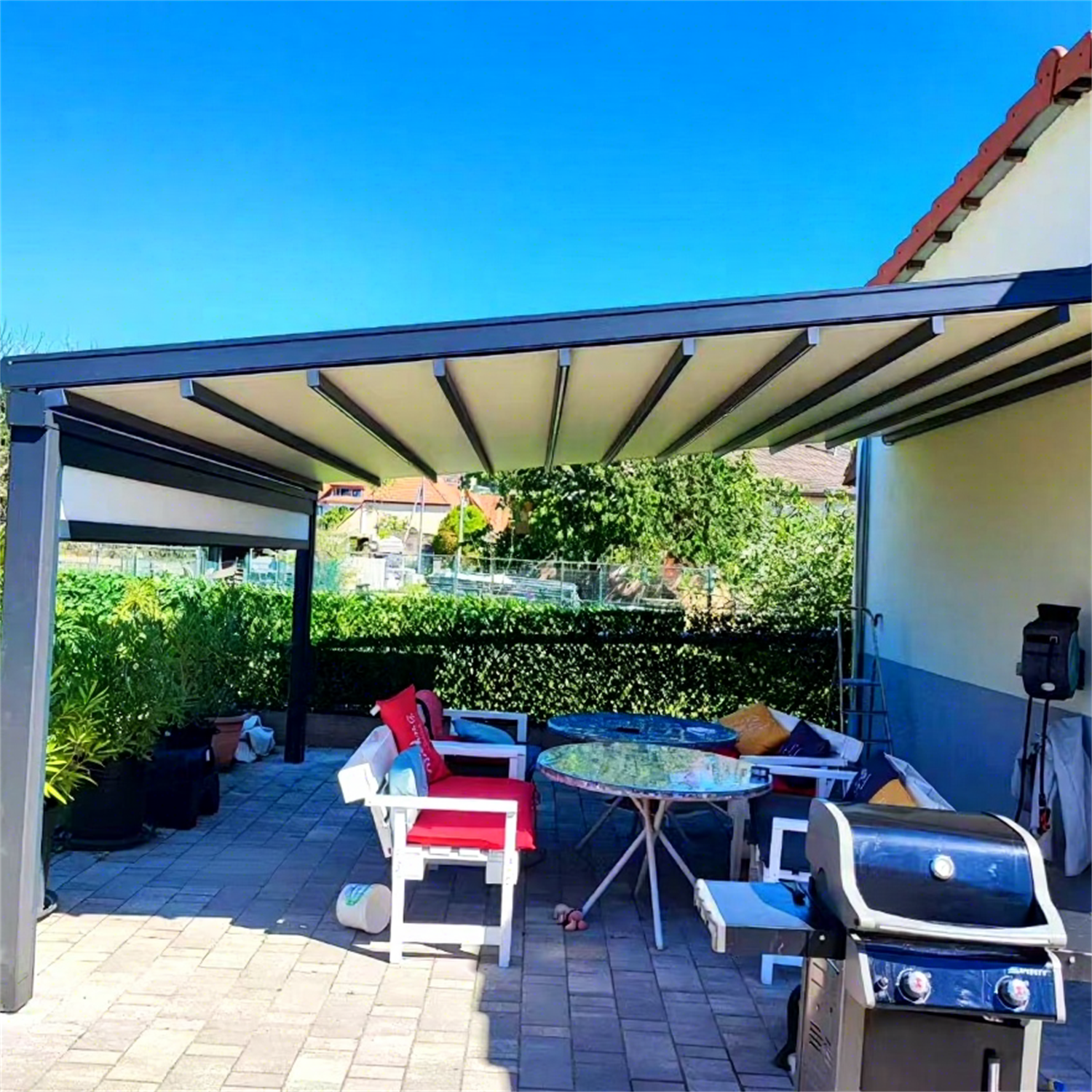
In residential spaces, pergolas can create inviting outdoor living areas, providing shade over decks or patios where families gather. They can also serve as beautiful garden features, supporting climbing plants or outdoor lighting for evening use. 

In commercial settings, such as restaurants or hotels, custom pergolas can define outdoor dining areas, enhancing guest experiences. They can be used in parks or public spaces to create shaded areas for relaxation. The design can also reflect the brand’s aesthetic, contributing to the overall ambiance. 

Understanding these applications helps buyers tailor their pergola choices to fit specific needs, enhancing both functionality and aesthetic appeal. 

How to Compare Custom Made Pergolas for Your Next Project

When comparing custom made pergolas, start by defining your project requirements clearly. This includes the intended use, desired aesthetics, and budget constraints. Here are some key factors to consider during the evaluation: 

Material Options: Compare the performance characteristics of materials offered by different suppliers. For instance, if you’re considering WPC, inquire about its resistance to moisture and UV exposure compared to traditional wood. 

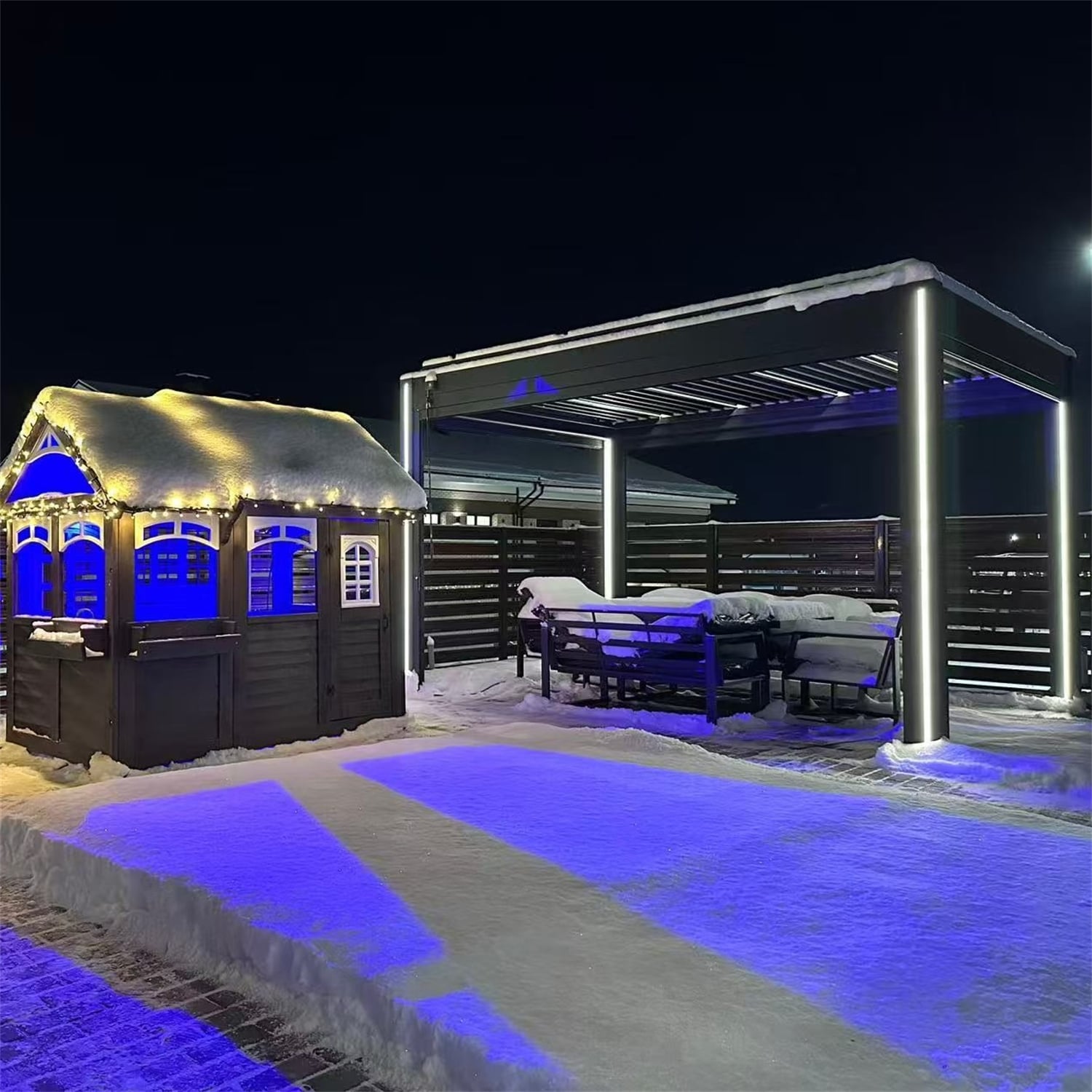
Customization Capabilities: Not all manufacturers offer the same level of customization. Determine if a supplier can accommodate specific design features, such as integrated lighting, lattice work, or unique dimensions. 

Quality Control Processes: Investigate the supplier’s quality assurance protocols. A manufacturer’s commitment to quality can significantly affect the durability and performance of the pergola. 

Lead Time and MOQ: Understand the lead time for production and any minimum order quantities (MOQ) required. This is crucial for project planning and budget management. 

Warranty and Support: Review the warranty offered by the manufacturer. A robust warranty can provide peace of mind regarding the pergola’s longevity and performance. 

By systematically comparing these factors, buyers can make well-informed decisions that align with their project goals and expectations. 

In summary, understanding the nuances of custom made pergolas from specifications to applications empowers buyers to make informed purchasing decisions that enhance their outdoor spaces effectively.  

Partnering with certified structural manufacturers ensures high-tensile extruded aluminum alloy or powder-coated steel fabrication that withstands extreme weather and heavy wind loads. Adherence to ISO 9001 quality standards and CE structural compliance guarantees motorized louver precision, seamless integrated drainage, and UV-resistant finishes. These technical specifications deliver long-term structural integrity, minimal maintenance overhead, and maximum ROI for commercial hospitality, residential developments, and architectural outdoor projects. 

What to Consider

When considering custom made pergolas, several factors should guide your decision-making process. First, understand the purpose of the customizable pergola whether it’s for aesthetic enhancement, functional shade, or both. The intended use will influence design choices, such as size, shape, and features like integrated lighting or climbing plants. 

Next, evaluate the materials. Common options include wood, aluminum, and WPC (wood-plastic composite). Each material has its advantages like wood offers a classic look, aluminum is lightweight and durable, while WPC is low-maintenance and resistant to rot. Your choice should align with both aesthetic preferences and functional requirements, such as weather resistance and durability. 

Finally, consider the installation process. Custom pergolas may require specific site preparations or permits, depending on local regulations and the structure’s size. Collaborating with a manufacturer experienced in local installation practices can simplify this process. 

Frequently Asked Questions

What customization options are available for a pergola?

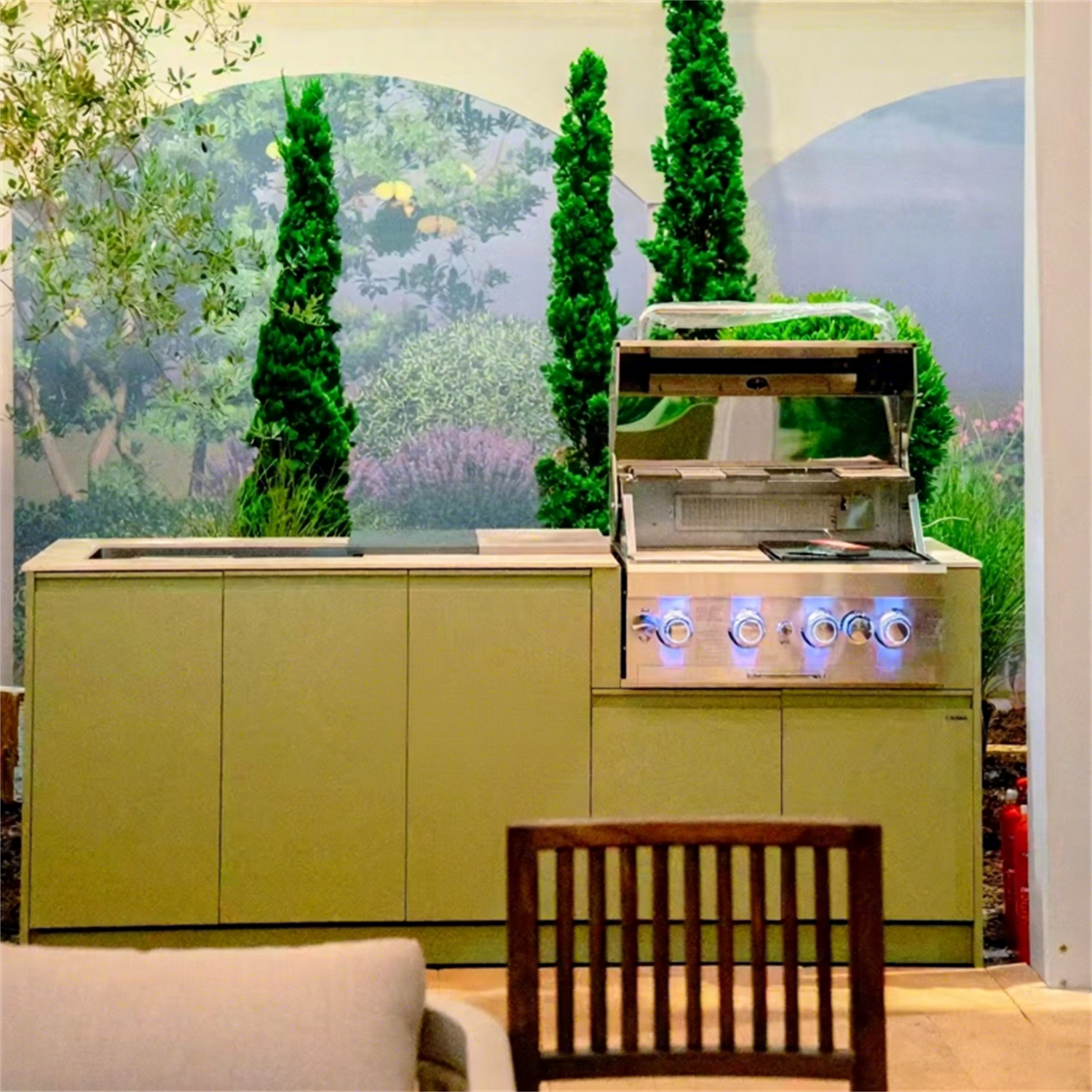
We offer size, material (WPC, thermowood, aluminum), color, louver style, roofing, lighting, and integrated outdoor kitchen connections tailored to your project.
Typical lead time is 3–6 weeks depending on size and complexity; larger commercial projects may take longer. We provide a timeline after design approval.
Yes. With 16 years' experience, we offer delivery, professional installation, site assessment, and project management for residential and commercial sites.
Yes. We use WPC and thermowood options and treated finishes designed for durability, low maintenance, and resistance to rot, UV and moisture in outdoor conditions.
Contact us with project details, dimensions, photos, and preferred materials. We will provide a tailored proposal, drawings, and a competitive quote.

Get a Free Quote

Our representative will contact you soon.
0/1000