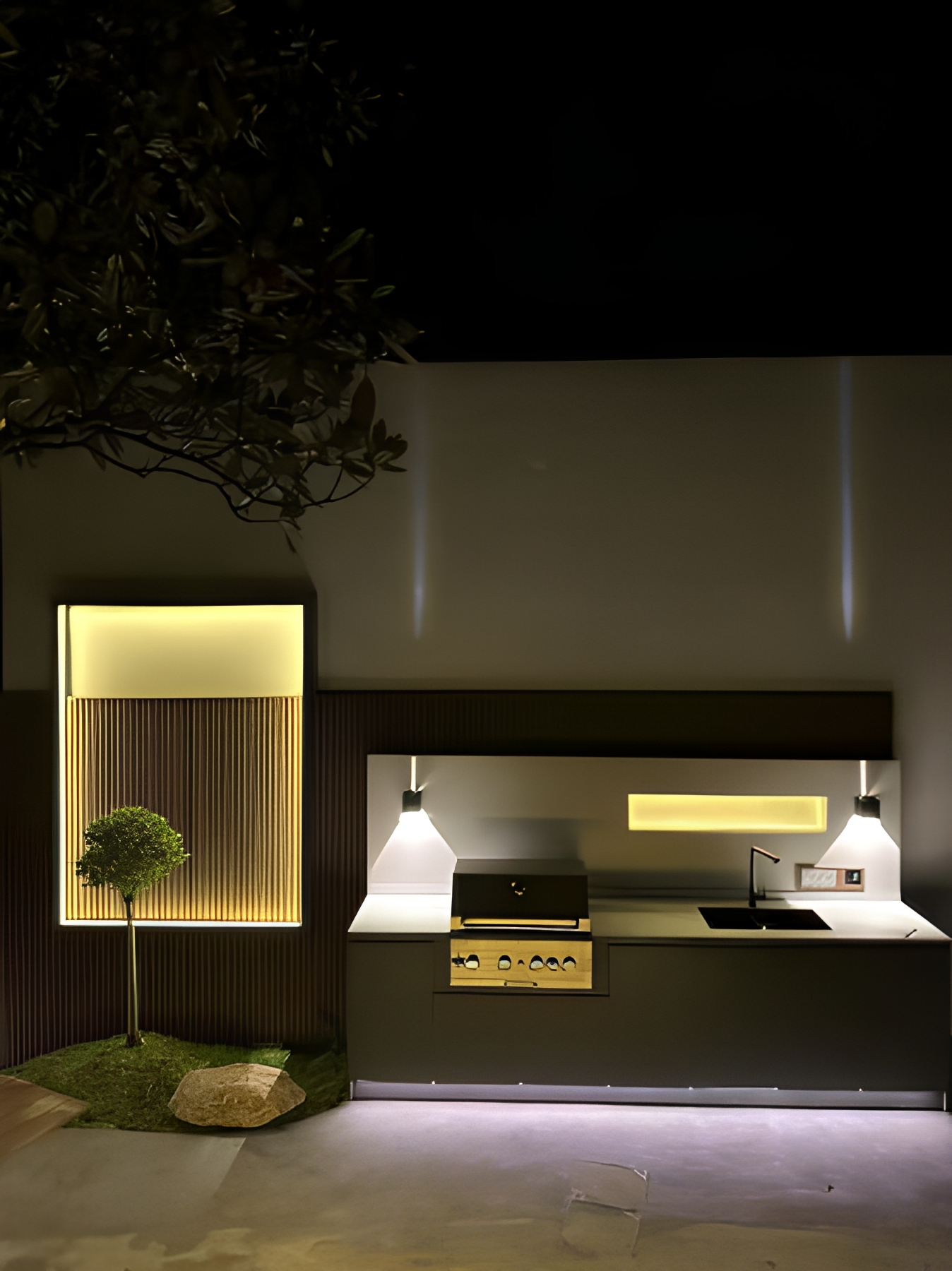
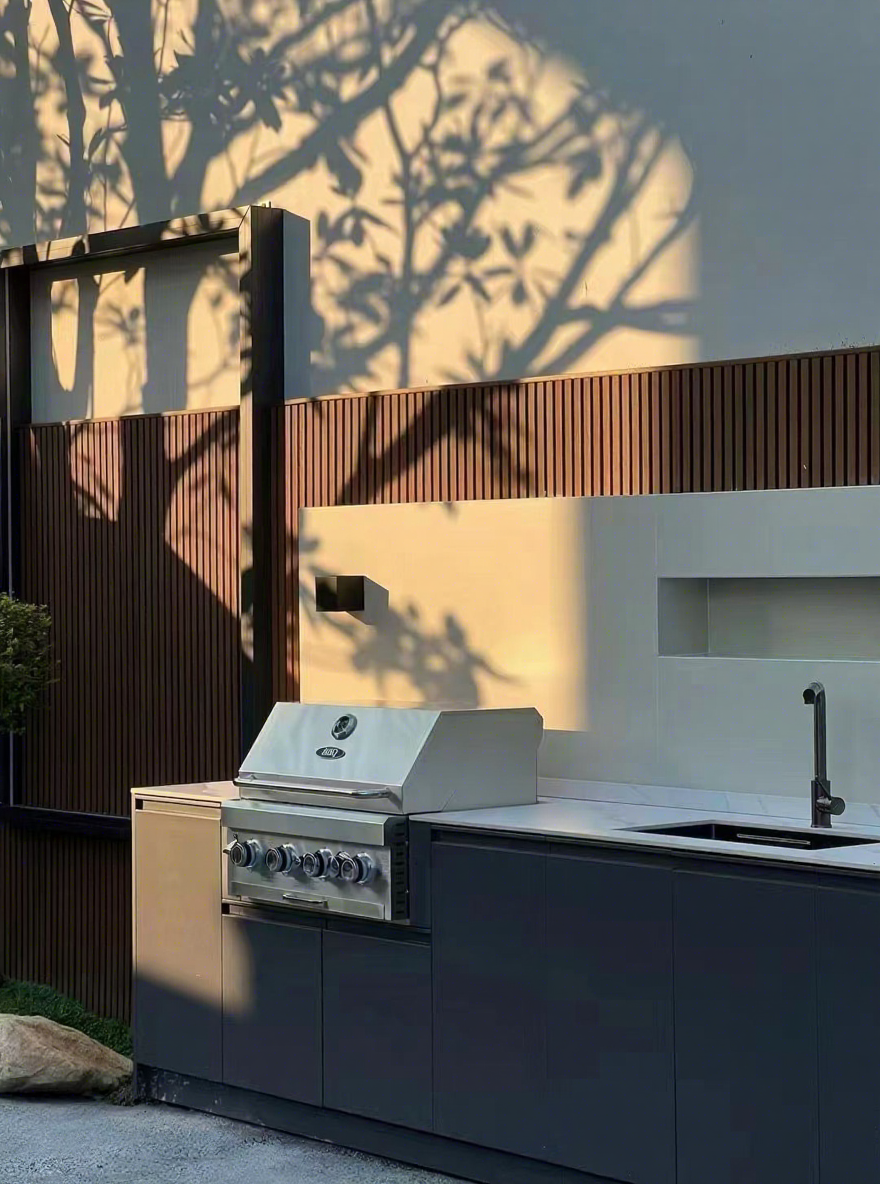
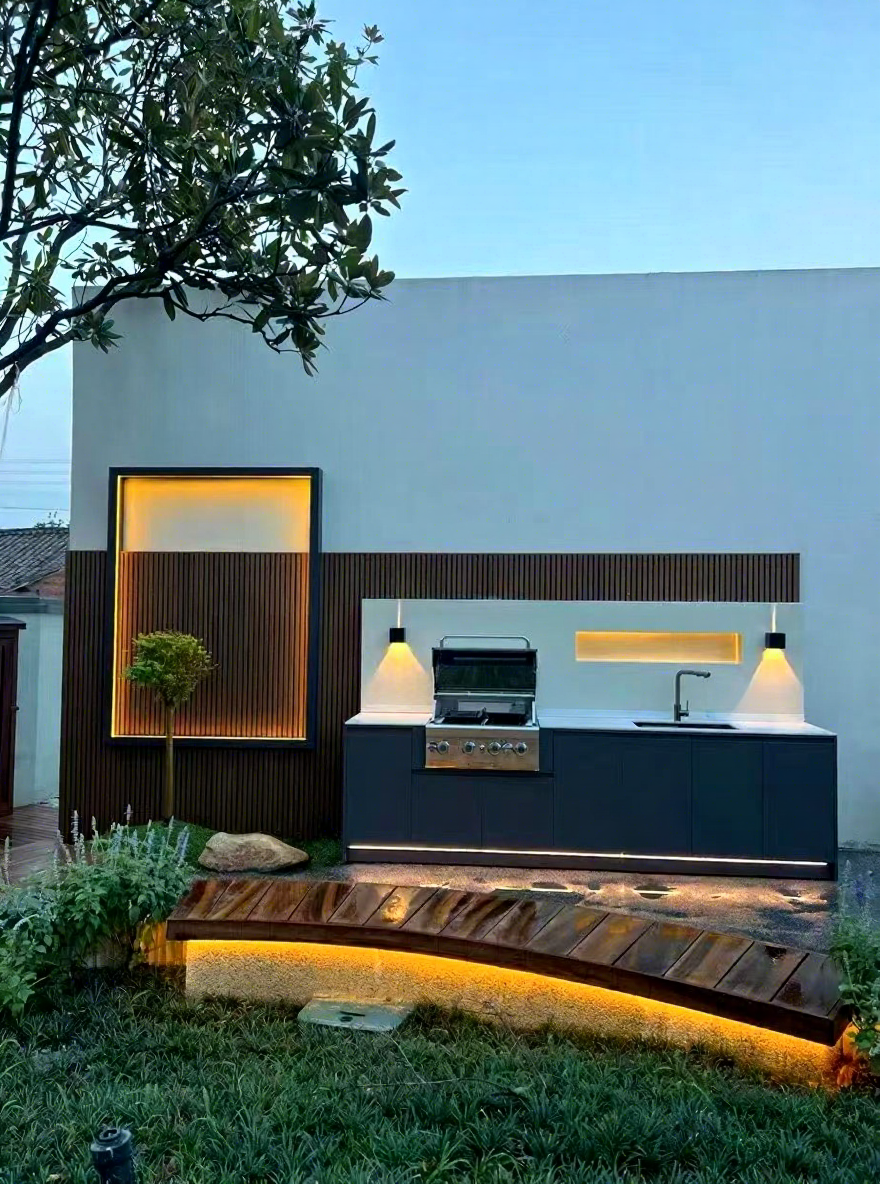
Design Your Own BBQ Island for Outdoor Living

application/design-your-own-bbq-island, application/design-your-own-bbq-island, 
Inquiry
Inquiry

Design your own bbq island

Designing your own BBQ island can elevate outdoor living spaces, whether for residential backyards or commercial patios. With the right features and materials, a custom BBQ island not only enhances cooking experiences but also becomes a focal point for gatherings and events. This article addresses key considerations for B2B buyers, such as product specifications, cost implications for bulk orders, installation guidance, and common problems in design, ensuring you make informed decisions when investing in custom bbq island. 

Cost Factors to Consider for Bulk Orders of BBQ Islands

Cost Factors to Consider for Bulk Orders of BBQ Islands

When considering bulk orders of BBQ islands, several cost factors must be evaluated: 

Material Costs: The choice of materials significantly impacts overall pricing. Stainless steel may have a higher upfront cost compared to other materials, but its durability can lead to lower maintenance expenses over time. 

Customization: Custom designs can lead to additional costs. Features such as integrated refrigeration, sinks, or specialized finishes should be factored into the pricing. Discuss customization options with your supplier to understand how they affect the total cost. 

Shipping and Handling: The logistics of transporting BBQ islands can also influence pricing. Consider the distance to the destination, weight, and dimensions of the products when calculating shipping costs. Bulk orders may allow for negotiated shipping rates, so it is beneficial to discuss these options with suppliers. 

Lead Time: Longer lead times might be necessary for custom orders, which could influence pricing due to storage and handling costs. Ensure that the expected delivery time aligns with your project timelines to avoid potential delays. 

By understanding these cost factors, you can better assess the total investment required for your custom built bbq islands project. 

Installation Guidance for Your Custom BBQ Island Solutions

Installation Guidance for Your Custom BBQ Island Solutions

Proper installation is crucial for the functionality and longevity of your BBQ island. Here are key aspects to consider: 

Site Preparation: Ensure the installation site is stable and level. This may involve clearing space, leveling the ground, and ensuring access to utilities like gas or electricity, if applicable. 

Assembly Instructions: Follow the manufacturer’s assembly instructions carefully. If the built in bbq ideas includes modular components, ensure that these pieces fit together securely. It may be beneficial to have a qualified installer or contractor handle the assembly for complex designs. 

Connecting Utilities: If your BBQ island features gas grills or electrical appliances, professional installation is recommended to meet safety standards. Properly connecting utilities is critical to avoid hazards and ensure equipment operates efficiently. 

Final Inspection: After installation, conduct a thorough inspection to ensure all components are secure, connections are safe, and the island is functional. Testing appliances and ensuring proper drainage for sinks or refrigerators is also essential. 

Following these installation guidelines will help maximize the performance and safety of your custom BBQ island. 

Applications of BBQ Islands in Commercial and Residential Spaces

Applications of BBQ Islands in Commercial and Residential Spaces

BBQ islands serve versatile applications in both commercial and residential environments: 

Residential Spaces: Homeowners often use BBQ islands to enhance outdoor living areas, providing a focal point for entertaining and family gatherings. Features such as integrated seating and storage can increase functionality and appeal. 

Commercial Spaces: Restaurants, hotels, and event venues utilize BBQ islands to attract customers and enhance outdoor dining experiences. Custom designs may incorporate commercial-grade appliances, allowing for efficient cooking and service during events. 

Community Spaces: Parks and recreational areas may include BBQ islands to facilitate community gatherings and events. Such installations should consider durability and ease of maintenance to withstand frequent use. 

Understanding the applications of BBQ islands can guide buyers in selecting designs that meet their specific needs, whether for leisure or business purposes. 

Common Problems in BBQ Island Design and Effective Solutions

Designing a BBQ island can lead to several common issues. Here are some typical problems and how to address them effectively: 

Insufficient Ventilation: A common oversight is inadequate airflow around cooking appliances, which can lead to overheating and unsafe conditions. Ensure proper ventilation design, possibly incorporating exhaust fans or open spaces near grills. 

Material Degradation: Selecting low-quality materials can result in rapid wear and tear. Always opt for materials that are specifically designed for outdoor use to mitigate this risk. 

Inadequate Space for Accessories: Many designs overlook the need for storage or prep space. Buyers should consider their typical cooking habits and ensure sufficient counter space for food preparation and storage for utensils and condiments. 

Utility Connection Issues: If gas or electrical connections are not properly planned, it can lead to unsafe installations. Collaborating with qualified professionals during the design phase can prevent these issues. 

By anticipating these common problems in BBQ island design, buyers can make informed decisions that lead to successful installations and enjoyable outdoor cooking experiences.  

Specifications to Evaluate for High-Quality BBQ Islands

When designing your own BBQ island, several specifications are critical to ensuring performance and durability. Key elements include material selection, dimensions, and construction features. 

Materials: High-quality BBQ islands are often constructed from stainless steel, stone, or concrete. Stainless steel provides corrosion resistance and ease of maintenance, while stone or concrete offers aesthetic appeal and durability. Confirm that materials are suitable for outdoor conditions, as exposure to moisture and temperature variations can impact longevity. 

Dimensions: The size of the BBQ island should accommodate the intended grilling equipment and any additional features like storage or seating. Standard widths range from 6 to 10 feet, but customization may be necessary for specific layouts or designs. It’s crucial to ensure that the dimensions fit within the available outdoor space while providing adequate cooking and prep areas. 

Construction Features: Pay attention to the structural integrity of the BBQ island. Features such as reinforced framing, proper weight distribution, and secure fastening methods can prevent issues during installation and use. 

Evaluating these specifications helps ensure that the BBQ island meets your functional and aesthetic requirements while providing long-term reliability. 

Frequently Asked Questions

What customization options are available for my BBQ island?

You can choose layout, materials (WPC, thermowood, stone), built-in appliances, storage, sink placement, and finishes to match your outdoor design.
Yes. With 16 years' experience we design scalable BBQ islands for homes, restaurants, and resorts, meeting both aesthetic and functional needs.
We recommend WPC, thermowood, stainless steel appliances, and weather-resistant stone to ensure long-lasting performance and low maintenance.
Typical timelines are 2–4 weeks for design and 4–8 weeks for fabrication and installation, depending on complexity and site conditions.
Yes. We offer professional installation, site supervision, and after-sales maintenance guidance to ensure your BBQ island performs well over time.

Get a Free Quote

Our representative will contact you soon.
0/1000