Outdoor Kitchen Backyard Ideas and Tips

application/kitchen-backyard-ideas, application/kitchen-backyard-ideas, 
Inquiry
Inquiry

kitchen backyard ideas

Creating  an outdoor kitchen  can transform your backyard into a multifunctional space for  cooking,  dining, and  entertaining. As purchasing managers and project developers  seek  innovative kitchen backyard ideas, it's crucial to  understand  the specifications, layout, and common  challenges associated with outdoor kitchen  designs.  This  article will guide  you through key specifications  to consider, efficient setup  methods,  essential features, potential issues, and cost factors,  helping you make informed decisions for  your next  project.

How to Set Up Your Backyard Kitchen Efficiently

How to Set Up Your Backyard Kitchen Efficiently

Setting up an outdoor kitchen efficiently involves strategic planning and execution.  Here are some steps  to consider:

Layout Planning: Start with a detailed layout that outlines the flow of movement between  cooking, serving, and seating areas. A triangle layout,  where the grill, sink, and refrigerator are positioned  within a close range, can enhance workflow and  efficiency.

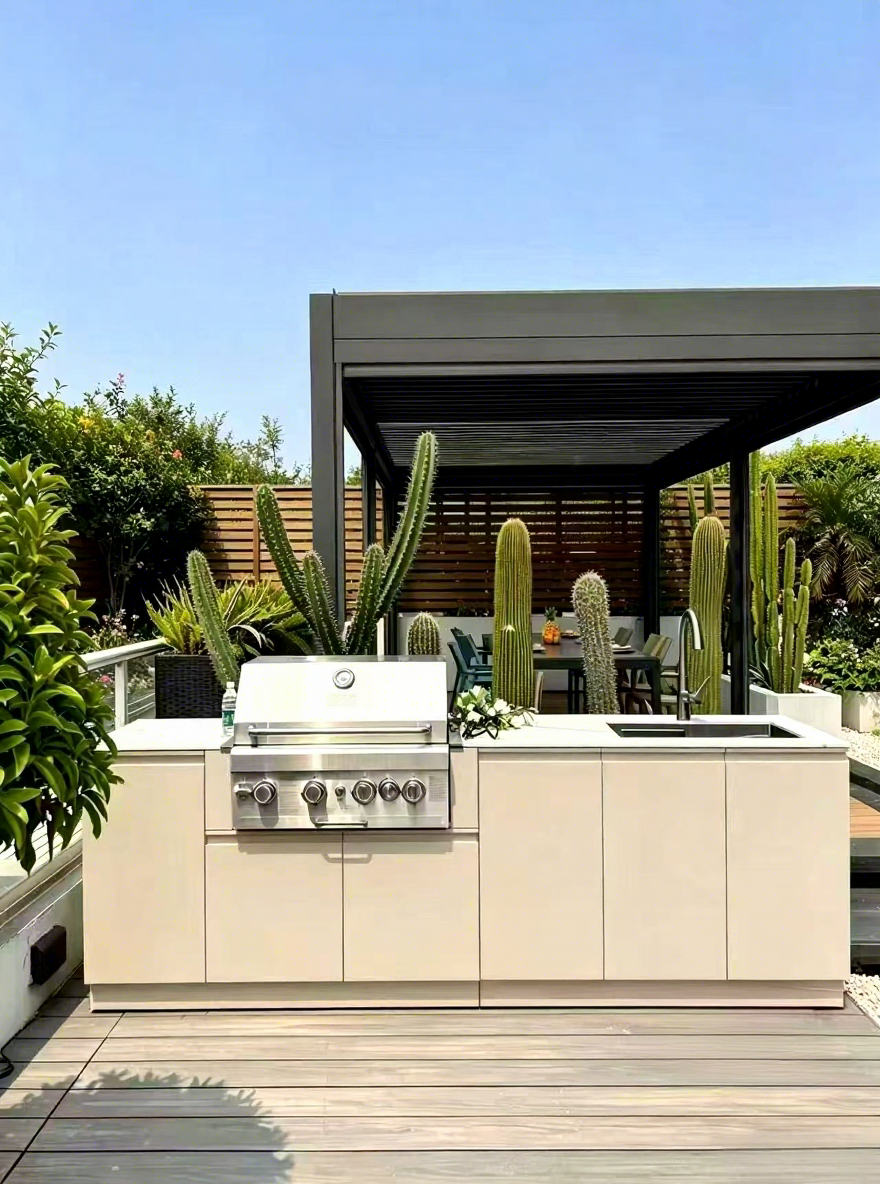
Zoning: Designate specific zones for cooking, preparation, and  dining. This separation  allows for multitasking and enhances  the overall experience. For example, create a dedicated  prep area with ample counter space and storage. Integrating a Complete Outdoor Living Space Design can also add to the aesthetic value of your kitchen.

Choosing the Right Appliances: Select appliances based on the intended use of the kitchen. If you plan to entertain frequently, consider a larger grill, a pizza oven, or  a refrigerator to keep drinks chilled. Integrating WPC systems  for cabinetry can streamline storage solutions while adding aesthetic value.

Incorporating Shade: Consider adding pergolas or awnings to provide shade over the cooking  and dining areas. This not only protects appliances from direct sunlight but also creates a more comfortable environment for users.

Accessibility: Ensure that pathways to and from the kitchen are clear and safe.  Consider using non-slip surfaces and adequate lighting to enhance safety  during evening use.

By following these steps, buyers can create an outdoor  kitchen that maximizes functionality while  offering  a  welcoming  space for gatherings.

What to Look For

What to Look For

When evaluating outdoor kitchens,  several key features and considerations should  guide buyers:

Quality of Materials: Assess the quality  of materials used in  construction. High-quality stainless steel, for example, is less likely to warp or discolor over  time compared to lower-grade alternatives.

Customizability: Look  for suppliers that offer customization options, allowing you to tailor the design  to  specific  needs, such as size, layout, and finishes. This is particularly important for commercial projects where branding  may be a consideration.

Warranty  and Support: A robust warranty and customer support can indicate confidence in a product’s durability. Check for  warranties on appliances, materials, and installation services.

Installation Services: Consider  suppliers that also provide installation services. Experienced installers can help ensure that all components are properly connected and functioning, reducing the risk of future issues.

User Reviews and Case Studies: Research user reviews  and case  studies to  gain insights into  the performance of specific outdoor kitchen products. This can inform your  decision and help you avoid common pitfalls.

This evaluation process will ensure  that you choose a high-quality outdoor kitchen that meets your operational and  aesthetic needs.

Common Problems in Outdoor Kitchens and Their Solutions

Common Problems in Outdoor Kitchens and Their Solutions

Outdoor kitchens  can face unique challenges, but understanding these issues and  their solutions can help mitigate risks:

Weather-Related Damage: Exposure to the elements can lead to rust, mold, and deterioration. To  combat this, consider using weather-resistant materials  and protective covers  when the kitchen is not in use. Regular maintenance, such as cleaning and  sealing surfaces,  can prolong the lifespan of outdoor kitchens.

Inadequate Ventilation:  Poor ventilation can lead to smoke buildup and uncomfortable cooking conditions. Ensure that your design includes adequate ventilation solutions, such as exhaust fans or open-air designs that facilitate airflow.

Electrical Issues: Outdoor kitchens often require specialized electrical installations to handle weather conditions. Ensure that all electrical  components are rated for outdoor use and installed by a  qualified electrician to  prevent hazards.

Plumbing Problems: Leaks and drainage issues can arise in  outdoor kitchens. Ensure that all  plumbing  connections are sealed properly and that drainage systems are designed to  handle heavy rainfall.

Insufficient Power Supply: Verify that the power  supply can accommodate the planned appliances. Consider consulting  with an electrician to assess  the load requirements and ensure compliance with local regulations.

By proactively addressing these common problems, buyers can enhance the reliability and  longevity of their outdoor  kitchens.

Cost Factors When Planning Your Outdoor Kitchen Projec

Budgeting for  an outdoor kitchen involves multiple  cost  factors that buyers must consider:

Material  Costs: The choice of materials will have a  significant impact on the overall budget. High-quality materials such as stone countertops or stainless steel appliances typically incur higher upfront  costs  but offer better longevity and less maintenance.

Labor Costs: Installation costs can vary based on the complexity  of the project. Hiring professional installers may increase upfront costs, but  their expertise can prevent costly mistakes and ensure compliance with safety standards.


Utilities Installation: Connecting water, gas, and electricity can add significant costs. It's essential to factor in these expenses when planning your budget, as they can vary widely based on local regulations and  site conditions.

Permits and Inspections: Some regions require permits for outdoor kitchen installations, especially  when utilities  are  involved. Be sure to include these potential costs  in your  budget  and timeline.

Custom Features: Custom features, such as built-in grills, cabinetry, or unique lighting solutions, can increase the overall cost. Discuss customization options with your supplier to  understand how they impact pricing.


By understanding these cost factors, buyers can create a realistic budget that aligns with their project  goals while ensuring they receive a quality outdoor kitchen solution.

Key Specifications to Consider for Outdoor Kitchen Designs

When designing an  outdoor kitchen, several specifications are critical to ensuring functionality and durability.

Materials:  The choice of materials significantly impacts  the kitchen's  longevity and maintenance. Stainless steel is often preferred for appliances due to its  resistance to rust and  corrosion, while stone or brick can provide a sturdy and stylish surface  for countertops. Consider using WPC  (Wood Plastic Composite)  for decking or cabinetry, as it offers  weather  resistance and low maintenance. You might also explore a Modular Outdoor Kitchen System for flexible options in your design.

Dimensions: The layout should accommodate both functionality and aesthetics. Standard countertop heights are around 36 inches, but you may need to adjust based on specific user needs or appliances. Ensure that there is sufficient space between the grill, prep areas, and dining zones  to facilitate movement and safety.

Appliance Specifications: Each appliance  should be rated for outdoor use, with proper insulation and protection against the elements. Confirm the power requirements, fuel types (gas, propane, electric), and  ensure compliance with local regulations for outdoor installations.

Ventilation Requirements: Proper ventilation is essential, especially for gas grills. Install hoods or vents to ensure smoke and heat are effectively managed, enhancing safety  and comfort.

Utility Connections: Plan for water, gas,  and electricity  connections. This includes drainage  for sinks and dishwashers, as well  as electrical outlets for appliances. Ensure that all connections meet local codes and standards.

By addressing these specifications  early in the design process, buyers can avoid costly changes and ensure a functional outdoor kitchen that meets user expectations.

Frequently Asked Questions

What outdoor kitchen options do you offer?

We design and build custom outdoor kitchens including built-in grills, countertops, cabinets, sinks, and appliance integration using WPC, thermowood, and durable materials for residential and commercial projects.
Yes. We create space-efficient layouts, compact island units, foldable counters, vertical storage, and smart appliance placement to maximize functionality in small yards.
We recommend WPC, thermowood, stainless steel, stone countertops, and weather-resistant hardware. These materials resist moisture, rot, and UV while providing low maintenance and long service life.
Project duration varies by scope. Small installs can take 1–2 weeks, while full custom kitchens and pergola integrations may take 3–8 weeks from approval to completion, including site prep.
Yes. With 16 years of experience, we provide end-to-end services including design, permitting support, procurement, and onsite project management for smooth delivery.

Get a Free Quote

Our representative will contact you soon.
0/1000