Top Exterior Kitchen Ideas for Your Outdoor Space

application/exterior-kitchen-ideas, application/exterior-kitchen-ideas, 
Inquiry
Inquiry

exterior kitchen ideas

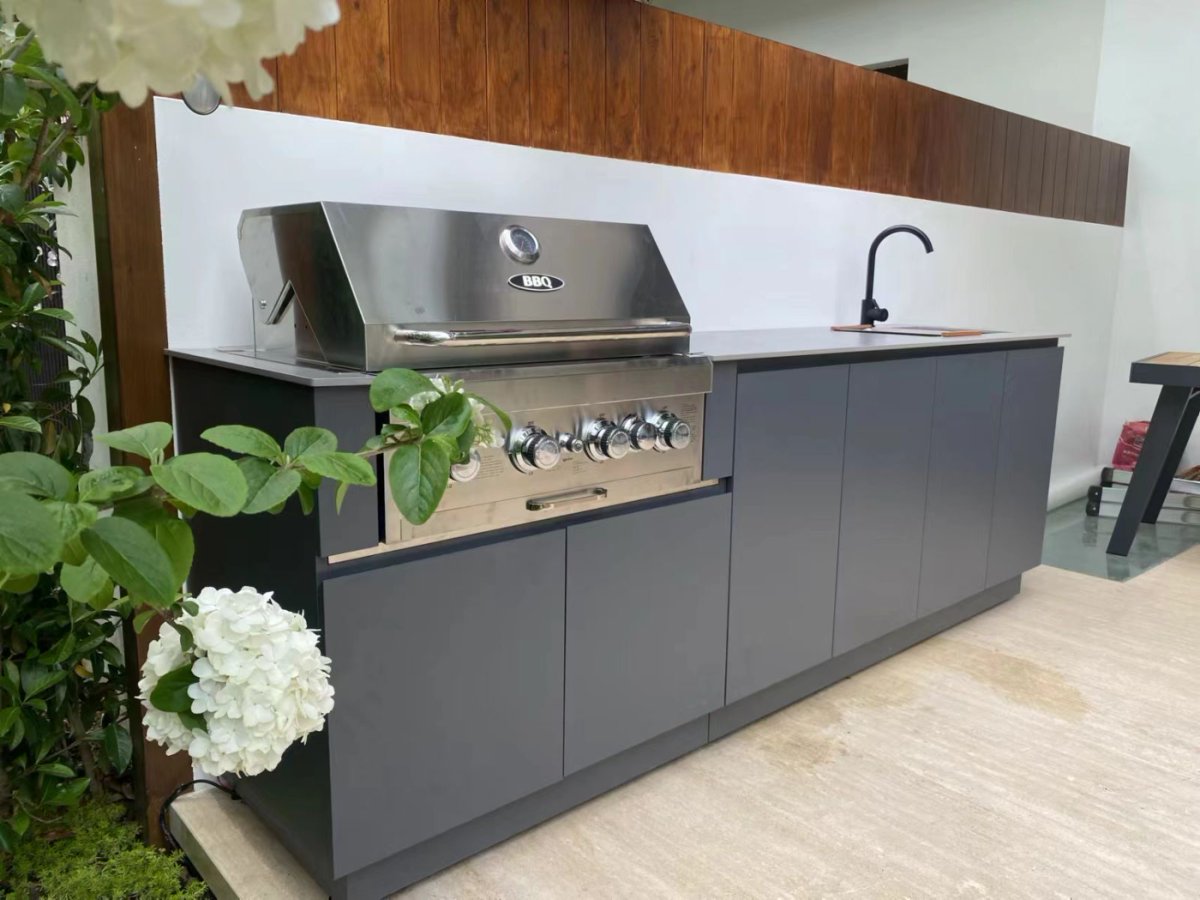
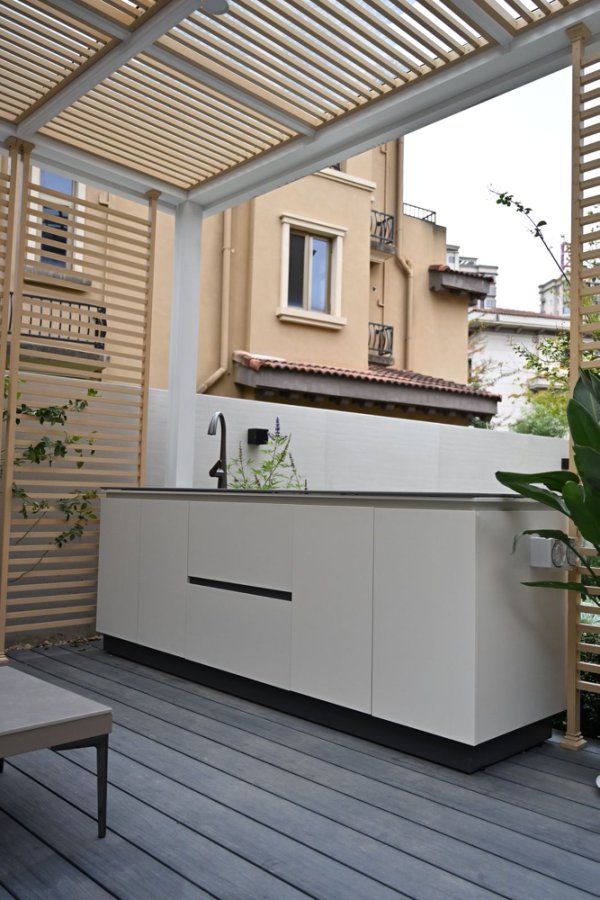
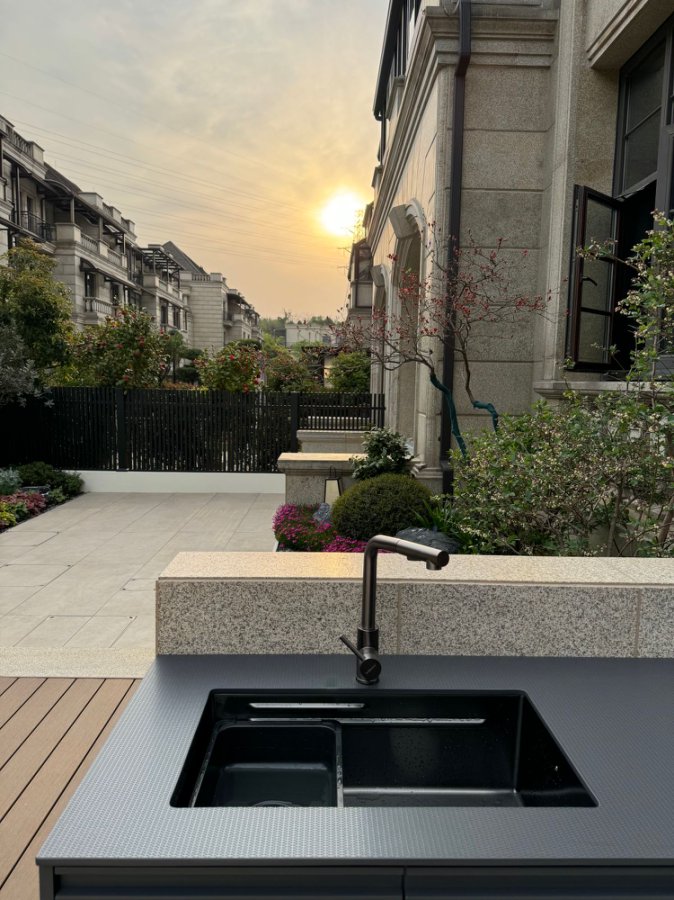
Creating  an exterior kitchen  can  significantly enhance outdoor living spaces, blending  functionality  with aesthetics.  This  article explores  various  exterior  kitchen ideas, focusing on materials, specifications,  common challenges, supplier sourcing, and  the  benefits of  WPC Wall Panels and WPC systems. For purchasing  managers and project planners,  understanding these aspects will  facilitate informed  decision-making, ensuring the final  installations meet both performance and  aesthetic expectations.

Key Specifications to Consider for Outdoor Kitchen Installations

Key Specifications to Consider for Outdoor Kitchen Installations

Before proceeding with an outdoor kitchen project, several key  specifications must be considered to  ensure optimal performance and longevity:


Dimensions: Accurate measurements  are critical. Ensure the layout allows for comfortable movement and  accessibility while providing enough workspace for cooking and food preparation.

Material Thickness: For countertops, thickness  affects  durability and appearance. A thickness of at least 1.5 inches  is typically recommended for  stone  surfaces to prevent cracking.

Weather Resistance Ratings: Materials  should have clear  ratings for UV resistance, moisture absorption, and temperature fluctuations. This information helps in selecting products that will  endure  the specific environmental conditions of the  installation site.

Electrical and Plumbing Requirements:  For kitchens incorporating appliances, understanding local codes and the specifications for  electrical and plumbing connections is essential to  prevent costly reworks.

By considering these specifications during the planning phase, buyers can avoid common pitfalls associated with outdoor  kitchen  installations.

Common Problems in Outdoor Kitchens and Effective Solutions

Common Problems in Outdoor Kitchens and Effective Solutions

Outdoor kitchens, while advantageous,  can encounter several challenges:

Moisture Damage: Without proper sealing and drainage, moisture  can lead  to mold  and structural damage. Solutions include using water-resistant materials and ensuring adequate drainage  systems.

Temperature Fluctuations: Materials that are not rated for  extreme temperatures can warp or crack.  Selecting  high-quality materials with appropriate ratings  for thermal expansion can mitigate this risk.

Pest  Infestation: Outdoor kitchens can attract pests if not designed  with this in mind. Incorporating pest-resistant materials  and ensuring proper sealing can help deter insects and rodents.

Maintenance Issues: Some materials require more upkeep than others.  For  instance, natural stone  countertops may need periodic sealing. Buyers should  weigh maintenance requirements  against convenience when selecting materials.

By  proactively addressing these issues, buyers  can significantly enhance the longevity and functionality of their outdoor kitchens.

 
Where to Find Reliable Suppliers for Outdoor Kitchen Materials

Where to Find Reliable Suppliers for Outdoor Kitchen Materials

Sourcing quality materials is critical  for successful outdoor kitchen installations. Here are effective strategies to find  reliable suppliers:

Industry Trade  Shows: Attending trade shows  allows buyers to meet manufacturers and suppliers directly, get hands-on experience with products, and  compare  options  in  one place.

Online Marketplaces: Websites specializing in B2B transactions can provide  valuable insights and reviews about different  suppliers, helping buyers assess reliability and product quality.

Networking with Industry Professionals: Engaging with architects, landscape designers, or contractors  who specialize in outdoor spaces can lead to  recommendations for  reputable suppliers.

Requesting Samples: Before making bulk purchases,  request samples.  This step allows buyers  to evaluate the material's look,  feel, and compatibility  with their design.

By  employing these strategies, buyers can  establish a network of trustworthy suppliers that ensure quality materials for their projects.

Benefits of Using WPC Systems in Your Exterior Kitchen Design

Wood-Plastic Composites (WPC) offer several  advantages  for  exterior kitchen designs:

Durability: WPC is resistant to moisture, rot,  and insect damage, making it suitable for outdoor use where traditional wood might  fail.

Low Maintenance: Unlike natural wood, WPC does not require  regular  staining or sealing. A simple  wash with soap and water is often sufficient, making it a practical choice for  busy homeowners and commercial operators.

Aesthetic Versatility: WPC  comes in a variety of colors and finishes, allowing for customization to match  different design  themes. This versatility helps create cohesive outdoor spaces.

Sustainability: Many WPC  products are  made from recycled materials, making them an eco-friendly choice for environmentally conscious buyers.

Given these  benefits, WPC systems are increasingly popular among designers and buyers  looking to create functional and stylish outdoor kitchens.

By understanding these aspects of exterior kitchen design and materials,  purchasing managers  and project planners can make informed decisions  that enhance their outdoor living projects while ensuring quality  and durability.

Exploring the Best Materials for Your Exterior Kitchen Projects

When selecting materials for exterior  kitchens, durability and weather resistance are paramount. Common choices include stainless steel,  stone, and composite materials like wood-plastic composites (WPC) and thermowood.  WPC is particularly effective for cabinetry  and decking, making  it a practical choice for outdoor environments like Decking.

Stainless Steel: Known for its longevity and resistance to corrosion, stainless steel  is  ideal for countertops and appliances. It withstands extreme weather conditions without significant degradation, making  it a popular choice in both residential and commercial  settings.

Stone:  Natural stone offers a timeless  aesthetic but can be heavy and expensive. Granite and quartzite  are  excellent for countertops, providing durability and a wide range of colors and patterns.

WPC: This material combines plastic and  wood  fibers, resulting in a product that is  both lightweight  and resistant to moisture and insects. WPC is particularly effective for cabinetry  and decking, making  it a practical choice for outdoor environments.

Choosing the right material also depends on the intended use of the kitchen and the environmental conditions. For  example,  coastal areas may require more corrosion-resistant materials,  while humid climates could benefit from  moisture-resistant solutions like WPC.

Frequently Asked Questions

What exterior kitchen options do you offer?

We design and build custom outdoor kitchens including modular countertops, built-in grills, storage, sinks, WPC decking, pergola covers, and thermowood cladding tailored to residential or commercial sites.
Yes. With 16 years' experience we provide integrated services from concept and material selection to fabrication, site preparation and professional installation for complete outdoor living solutions.
We recommend durable materials like WPC decking, thermowood cladding, stainless steel appliances, stone or composite countertops, and weather-resistant cabinetry for longevity and low maintenance.
Yes. We provide weatherproofing options, protective finishes, proper drainage design and maintenance guidance to preserve materials and ensure long-term performance in outdoor conditions.
Absolutely. We handle commercial-scale design, installation and can assist with technical specifications and local permit documentation to meet regulatory requirements.

Get a Free Quote

Our representative will contact you soon.
0/1000