Simple Outdoor Kitchen Ideas for B2B Buyers

application/simple-outdoor-kitchen-ideas, application/simple-outdoor-kitchen-ideas, 
Inquiry
Inquiry

simple outdoor kitchen ideas

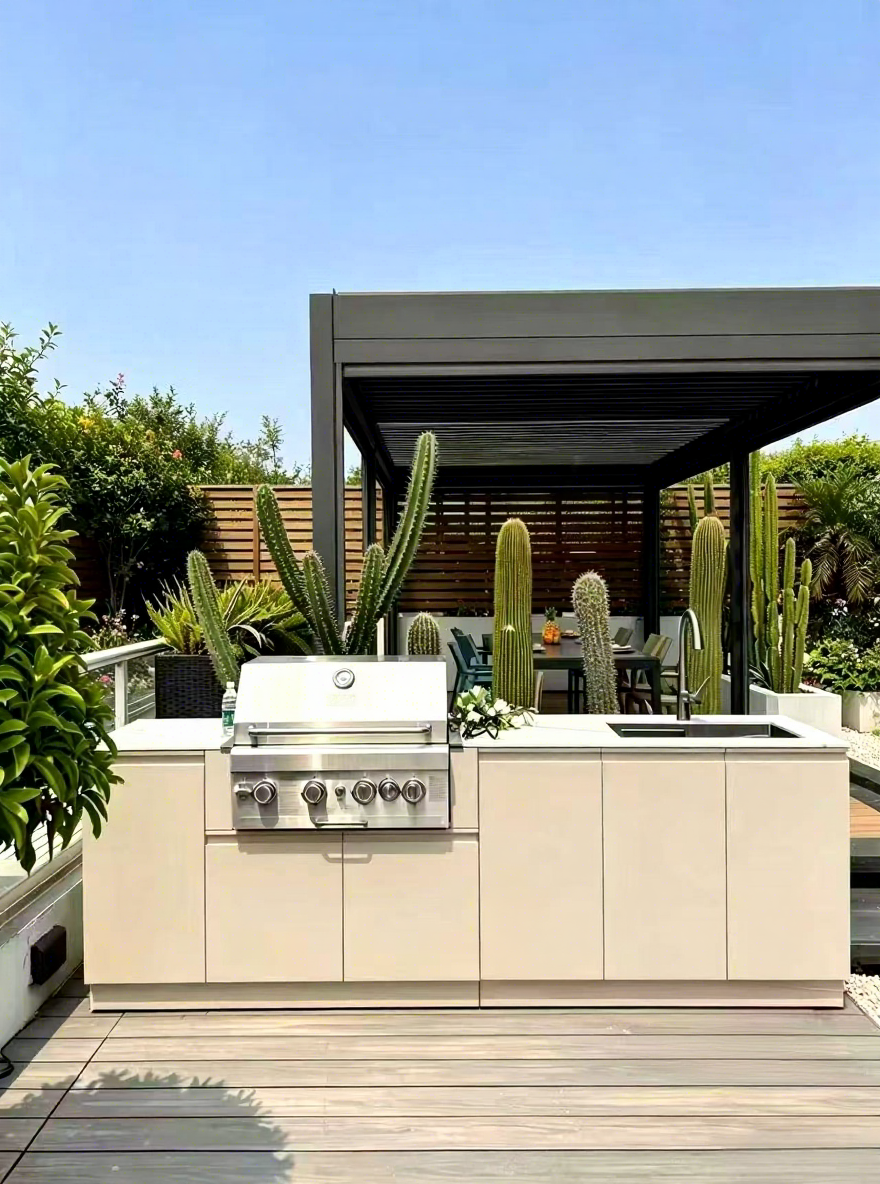
Creating  a  simple outdoor kitchen  can enhance your outdoor  living experience while providing  functional  cooking and dining spaces. When exploring  simple  outdoor kitchen ideas, it's essential to consider various factors  such  as materials, design,  and installation processes.  This article will  guide B2B buyers—like purchasing managers and product  managers—through key specifications,  durability factors, installation tips, budgeting, and  the  differences  between residential  and  commercial outdoor kitchens.

What Makes Outdoor Kitchens Durable?

What Makes Outdoor Kitchens Durable?

Durability in outdoor kitchens is vital  given their  exposure to the elements.  Key  factors influencing durability include:

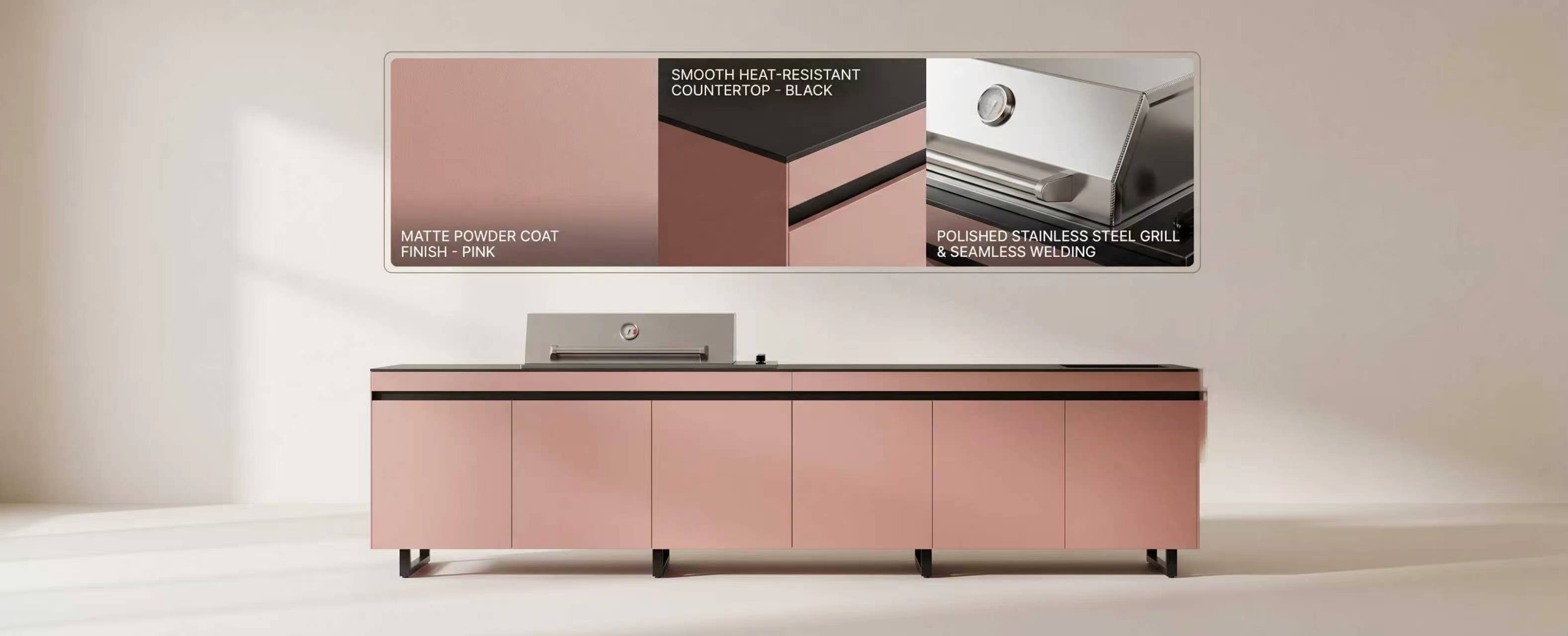
Material Quality: High-quality materials resist weathering, corrosion, and pest damage. Stainless steel appliances, for example,  provide  excellent durability against rust and  wear.


Construction Techniques: The way components are assembled can  greatly affect longevity.  Proper sealing and finishing techniques should be employed to  prevent moisture intrusion, particularly in wooden  structures.

Maintenance  Requirements: Regular maintenance  can extend the life of outdoor kitchens. For  example, applying protective coatings  to wooden surfaces and ensuring that drainage systems are clear  will help in preventing damage.

Environmental  Considerations: Understanding  the specific climate conditions—such as humidity, temperature fluctuations, and exposure  to sunlight—can guide material selection and design choices.

Installation Tips for Simple Outdoor Kitchen Ideas and Designs

Installation Tips for Simple Outdoor Kitchen Ideas and Designs

Installing an outdoor  kitchen involves careful  planning and execution. Here are some practical tips:

Site Preparation:  Ensure the installation area  is level and stable. Consider the proximity to  utilities and existing structures  for practicality and  safety.


Consult Professionals: While  DIY options exist, consulting experienced installers or manufacturers can help avoid common pitfalls. They can provide insights into best practices  for installation and  local code compliance.

Consider Modular Systems:  Modular outdoor kitchen systems can simplify installation. These pre-fabricated units  are designed  for easy assembly and customization, making them ideal for simple outdoor kitchen  ideas.

Testing and Adjustments: After installation, testing all appliances and connections is crucial.  Check  for leaks in plumbing and ensure  electrical systems are functioning  correctly.

 
Budgeting for Your Outdoor Kitchen Projec

Budgeting for Your Outdoor Kitchen Projec

Budgeting  for an  outdoor kitchen requires careful  consideration of various cost  factors:

Material Costs: Prices  vary significantly between materials.  WPC and thermowood  products may have a higher initial cost but  can save money in the long run due to lower maintenance needs.

Labor Costs: Hiring professionals for  installation can add to  the budget. However,  investing  in skilled labor often results in  a  higher-quality outcome.

Utility Connections: The cost of connecting water, gas, and electricity should be factored into the budget. Depending on your location, this might require professional services and permits.


Appliances and Accessories: Selecting the right appliances (grills,  refrigerators,  sinks) that fit your  budget is  critical. Consider long-term performance and energy efficiency when making these choices.

Contingency Fund: It’s wise to set aside a portion  of the budget for unexpected costs, which can arise during installation or material acquisition.

Residential vs. Commercial

Understanding  the differences between residential and commercial outdoor kitchens is essential for  B2B buyers:

Design and Functionality:  Residential outdoor kitchens often  prioritize aesthetics and leisure, featuring grills, small refrigerators, and dining  areas. In contrast,  commercial kitchens are designed for efficiency and high volume, typically incorporating larger appliances and more storage.

Material Requirements: Commercial outdoor kitchens  may require more robust  materials that can withstand continuous use. For  instance, stainless steel is often favored  in  commercial settings  due to its durability and ease of cleaning.

Regulatory Compliance: Commercial installations must adhere to stricter health and safety  regulations, including certifications for  materials  and appliances. Buyers should be aware of these requirements when planning commercial projects.

Cost Implications: While residential outdoor kitchens  may have lower initial costs, commercial  setups might offer better long-term value due to higher efficiency and durability, despite the higher upfront investment.

By considering these factors, B2B buyers can make informed decisions about simple outdoor kitchen ideas that  align with their project  goals and budget  constraints.

Key Specifications to Consider for Outdoor Kitchen Design

When designing an outdoor kitchen, several specifications  must be addressed to ensure functionality and longevity.  Key considerations include:

Material Selection: Outdoor kitchens often utilize weather-resistant materials like stainless steel, stone, and composite wood. For instance, WPC (Wood Plastic Composite) systems are increasingly popular due to their durability and low maintenance requirements. Thermowood products  also offer excellent resistance to moisture and UV exposure, making them suitable for outdoor applications. Additionally, a Modular Outdoor Kitchen System can be a great option for ensuring flexibility in design.

Dimensions and  Layout: The size of the outdoor kitchen should complement the available space while  considering workflow efficiency. A well-planned layout allows  for  easy  movement between cooking, preparation, and dining areas. Ensure that countertops are at a comfortable height and  that there is adequate space for appliances.

Utilities  and Ventilation: Proper plumbing, electrical connections, and  ventilation are crucial for the safe operation of appliances. Buyers should verify local building codes  and regulations  to  ensure compliance.

Storage Solutions: Incorporating cabinets and  drawers that withstand outdoor conditions is  essential. Stainless steel or weather-resistant materials  are recommended for storage to  protect  kitchen tools and  supplies. For example, consider a American Country Style Outdoor Sink Cabinet to enhance your storage options.

Frequently Asked Questions

What are simple outdoor kitchen design ideas?

Use a compact layout with modular counters, a small grill, weatherproof cabinets, and multifunctional islands to maximize space and function while keeping installation straightforward.
Choose WPC decking, thermowood cladding, stainless steel appliances, and sealed stone or concrete countertops for durability and low upkeep.
Yes. We design space-efficient solutions—corner units, wall-mounted counters, and foldable tables—to fit patios, balconies, and tight yards.
Typical residential installs take 3–10 working days depending on size and site prep. Commercial projects vary; we assess timeline during consultation.
Yes. With 16 years of experience, we provide design, material supply, fabrication, and installation for both residential and commercial outdoor kitchens.

Get a Free Quote

Our representative will contact you soon.
0/1000