Key Considerations for Stainless Outdoor Kitchens

application/stainless-outdoor-kitchen, application/stainless-outdoor-kitchen, 
Inquiry
Inquiry

stainless outdoor kitchen

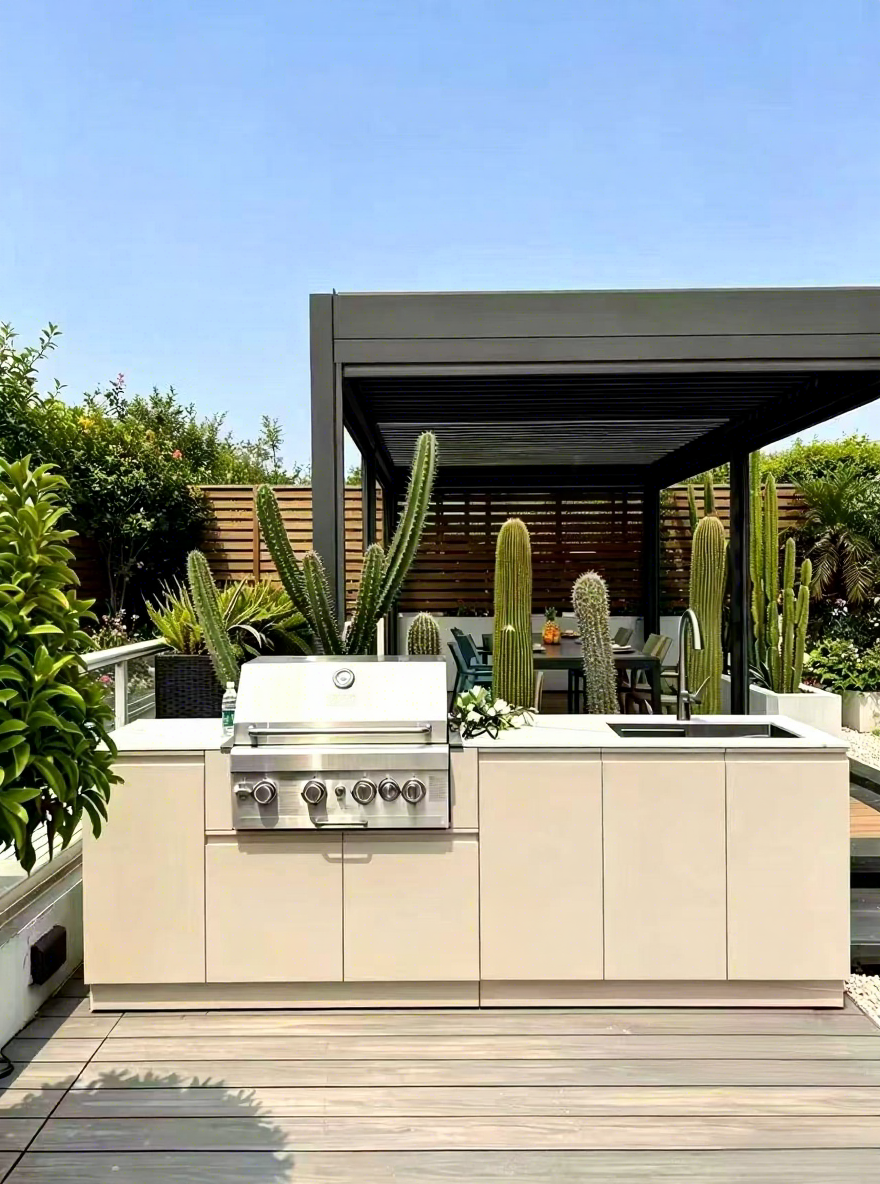
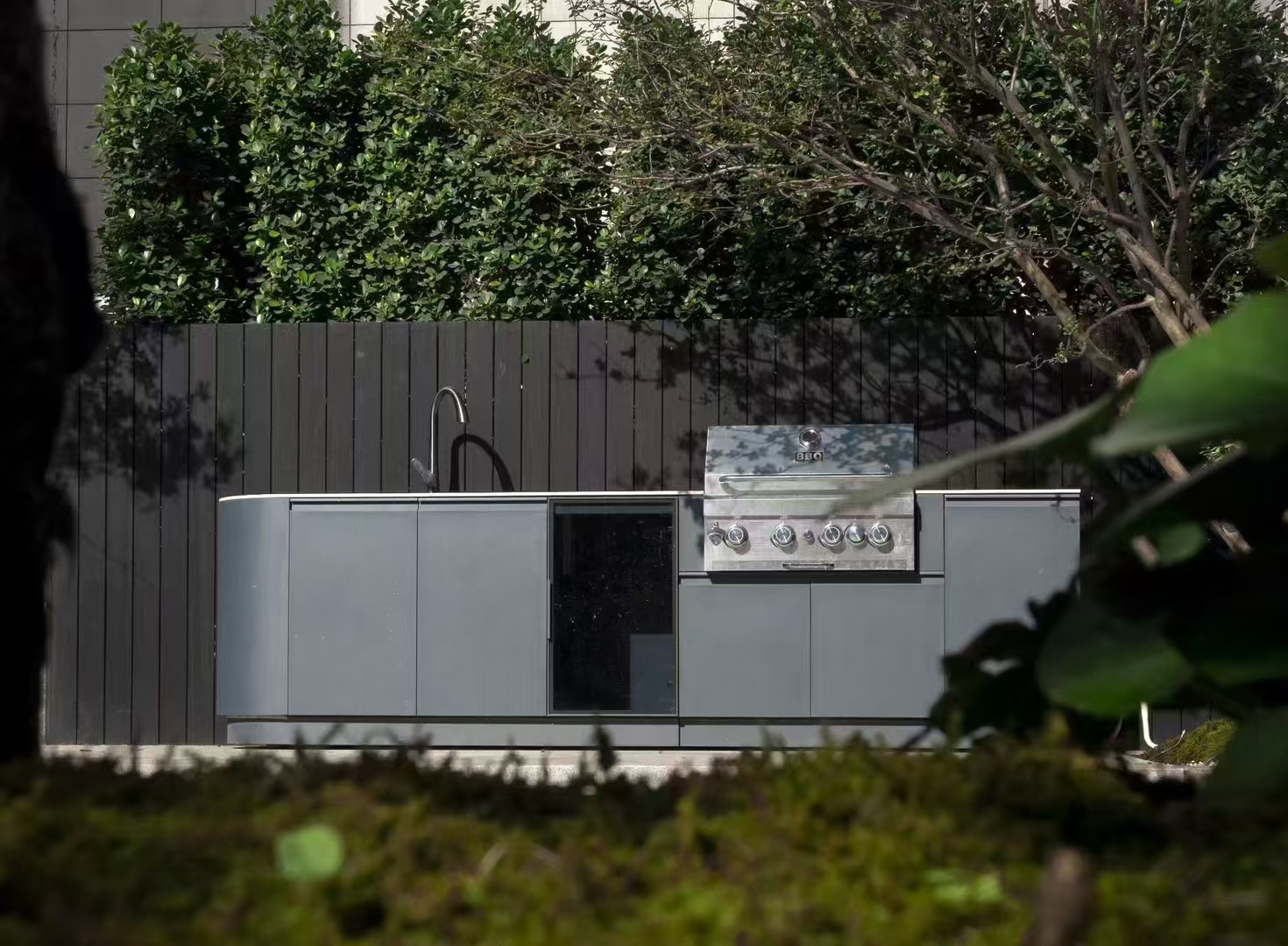
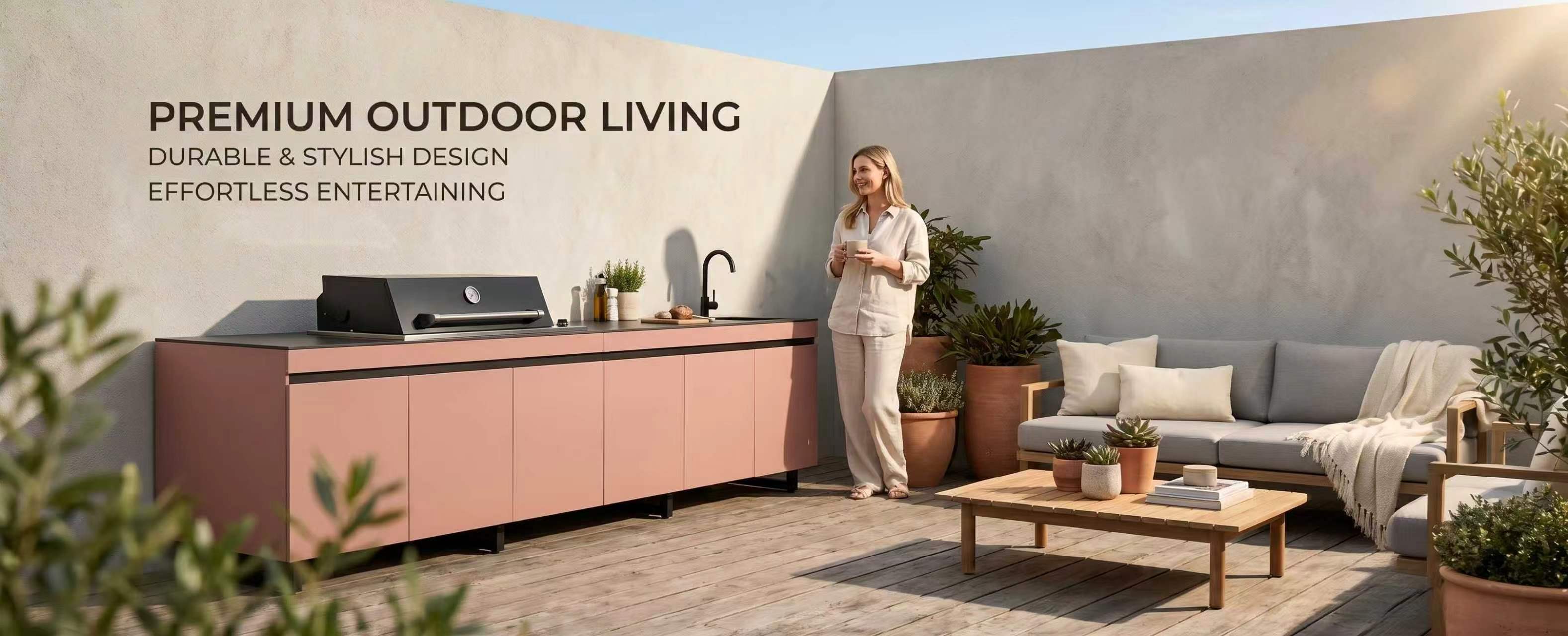
Stainless outdoor kitchens are becoming increasingly  popular  for both residential  and  commercial applications, providing durable and  stylish solutions for outdoor cooking and dining  experiences. As a  purchasing manager  or distributor, your primary  concerns may include material quality, design specifications, functionality, and  overall cost.  This article will  delve  into  the essential factors to consider when evaluating stainless  outdoor  kitchens, helping you make informed purchasing decisions that  align  with your project  requirements.

 
Common Problems with Stainless Outdoor Kitchens and Their Solutions

Common Problems with Stainless Outdoor Kitchens and Their Solutions

While stainless outdoor kitchens offer numerous advantages, they  also come with potential challenges. Here are some common problems and their solutions:


Corrosion Issues: Even high-grade stainless steel can be prone  to corrosion if not  properly maintained. Regular  cleaning with mild soap and water, along with periodic applications  of stainless steel  polish, can help prevent corrosion.

Heat  Damage: Prolonged  exposure to  high temperatures can lead to warping or  discoloration.  Ensure proper installation of grills and other  heat-producing appliances with adequate ventilation and heat-resistant materials.

Stains and Discoloration: Stains can occur from food spills or environmental exposure. Using a  dedicated stainless steel cleaner can effectively remove these  stains without damaging the  surface.

Installation Challenges: Improper installation can lead to  uneven  surfaces and operational issues. It’s crucial to work with experienced professionals who understand the nuances  of installing outdoor kitchens  to avoid these problems.

Cost Factors to Consider When Purchasing Stainless Outdoor Kitchens

Cost Factors to Consider When Purchasing Stainless Outdoor Kitchens

Understanding the  cost factors associated with stainless outdoor kitchens is essential for budgeting effectively. Key considerations include:

Material Costs: The grade and thickness of stainless steel directly impact the cost. Higher-grade  materials may require a larger initial investment but can  offer better long-term value due  to durability.

Customization Options: Custom  designs, additional features, and accessories can significantly increase  costs. Be sure  to  assess which features are essential to your project to avoid unnecessary expenses.

Labor and Installation: Installation costs can vary based on the complexity of  the design and local labor rates. It’s  advisable to obtain quotes from  multiple contractors  to  ensure competitive pricing.

Maintenance and Warranty: Factor in  potential maintenance costs over  time and consider  the  warranty offered  by the manufacturer. A solid warranty  can  provide peace of mind and protect against unforeseen issues.

Applications of Stainless Outdoor Kitchens in Residential and Commercial Settings

Applications of Stainless Outdoor Kitchens in Residential and Commercial Settings

Stainless outdoor kitchens are versatile and can be utilized in a range  of settings:

Residential Applications:  Homeowners are increasingly  investing in outdoor kitchens to enhance  their outdoor living  spaces.  These kitchens can serve  as gathering spots for family  and friends, facilitating cooking and  entertainment in a comfortable environment.

Commercial Applications: Restaurants and catering businesses are adopting stainless  outdoor kitchens to expand their service offerings. These kitchens enable outdoor cooking for events, food festivals, and al fresco dining  experiences, appealing to customers looking for unique dining options.

Resort and Hospitality  Settings: Hotels and resorts  are utilizing  stainless outdoor kitchens to enhance guest  experiences, providing outdoor  dining options that capitalize on scenic  views and  pleasant weather.

Event Venues: Outdoor kitchens are becoming a staple in event  venues, offering  flexibility for catering services and enhancing the overall experience for attendees.

How to Compare Different Stainless Outdoor Kitchen Models Effectively

When evaluating  various models of stainless outdoor kitchens, consider the following comparison criteria:

Specifications: Create a checklist of essential specifications  (material, thickness, dimensions, and  features) for each model. This will help you easily compare and contrast different options.

Customization Capabilities:  Assess whether the  manufacturer offers customization options  to tailor the kitchen to your specific needs. This can include layout alterations, additional appliances, or unique finishes.

Quality Assurance: Investigate  the manufacturer’s quality control processes. A reputable manufacturer will have robust quality assurance measures  in place, ensuring that each unit meets industry standards.

Customer Reviews and Case Studies:  Look for testimonials or case studies from previous customers. These insights can provide valuable information  about the  performance and  durability of the outdoor kitchens  in real-world applications.

Support and Warranty: Evaluate the support offered by the manufacturer post-purchase. A strong warranty and responsive  customer service can  significantly  enhance your purchasing experience.

By considering these factors and addressing common concerns, you can navigate the  process of selecting a stainless outdoor  kitchen with confidence,  ensuring that your  investment meets your project’s demands and expectations.

Key Specifications to Consider in Stainless Outdoor Kitchen Designs

When selecting a stainless outdoor kitchen, several key specifications should be taken into account:

Material Quality:  The grade of stainless steel used significantly affects durability and resistance to rust and corrosion. For outdoor  kitchens, 304-grade stainless steel is commonly  recommended due to its balance of corrosion resistance and affordability. For harsher environments, 316-grade steel may be more suitable.

Thickness: The  thickness of the stainless steel also plays a critical role in the  kitchen’s longevity and structural integrity. A thickness of 16-18 gauge is generally preferred for outdoor applications, as it provides sufficient strength without compromising aesthetics.

Design and Layout: Consider the layout of your  outdoor kitchen, including  the placement of appliances (grills, refrigerators, sinks), counter space, and seating. Customization options may  be necessary to ensure that the design meets the specific needs  of  your project. For example, incorporating Custom Outdoor Kitchens can enhance functionality and aesthetic appeal.

Finish and Surface  Treatment: Stainless steel surfaces can  be treated with various finishes, such as brushed or  polished. The chosen finish affects not only the aesthetic appeal but also the  ease of  maintenance and  resistance  to fingerprints and smudges.

Accessories and Features: Additional features such as built-in storage, lighting, and integrated cooking appliances should be evaluated based on the  intended use of the kitchen  and the user’s  preferences.

Frequently Asked Questions

What materials are used in your stainless outdoor kitchen?

We use high-grade stainless steel for cabinets, countertops, and appliances, combined with durable WPC, thermowood, and weather-resistant fittings to ensure longevity and low maintenance.
Yes. With 16 years of experience we provide tailored layouts, finishes and integrated features for residential and commercial projects to fit space and functional requirements.
Our stainless components resist rust and corrosion; combined with treated thermowood and WPC, the system withstands rain, sun and temperature changes for outdoor use.
We offer full project services including site assessment, design, prefabrication and on-site installation, ensuring seamless integration with existing landscaping and utilities.
Regular cleaning with mild detergent, occasional sealing of thermowood, and inspection of fittings. Stainless surfaces need minimal upkeep to retain appearance and performance.

Get a Free Quote

Our representative will contact you soon.
0/1000