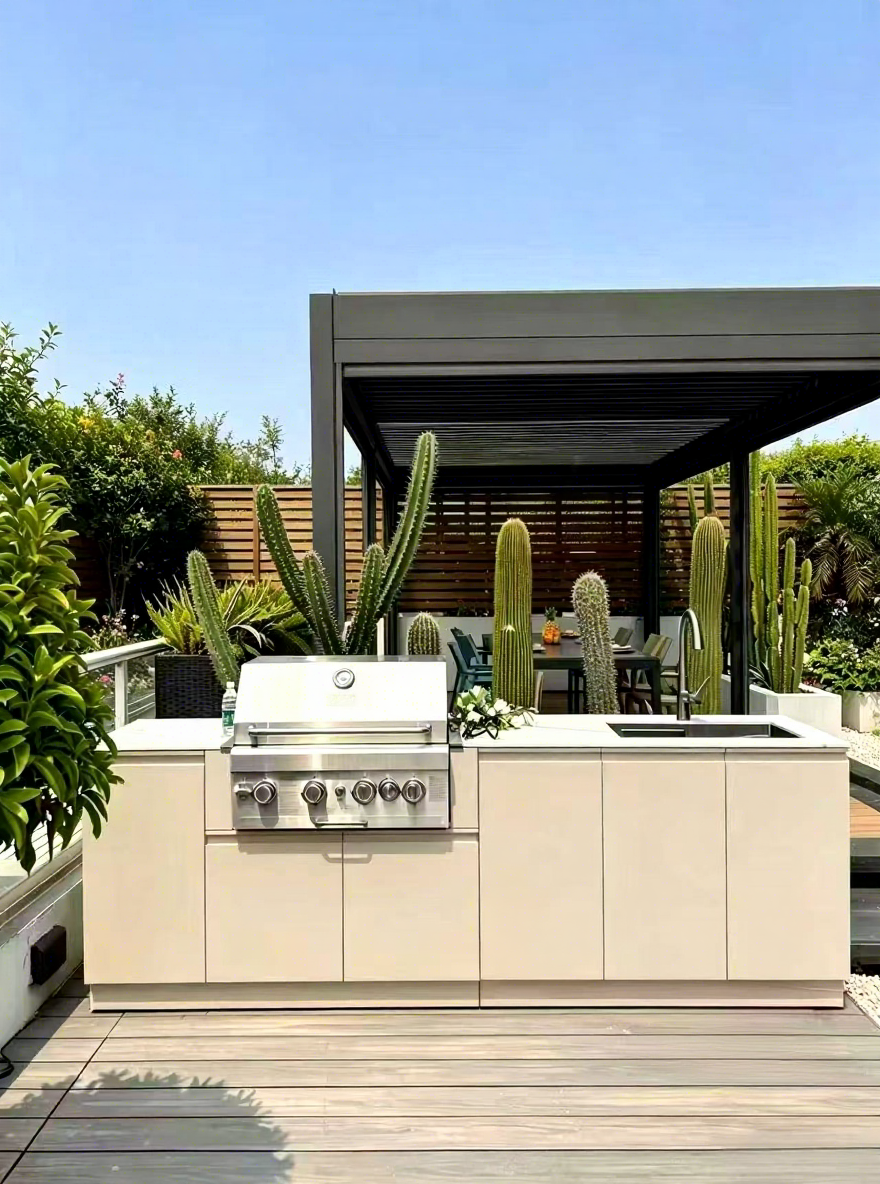
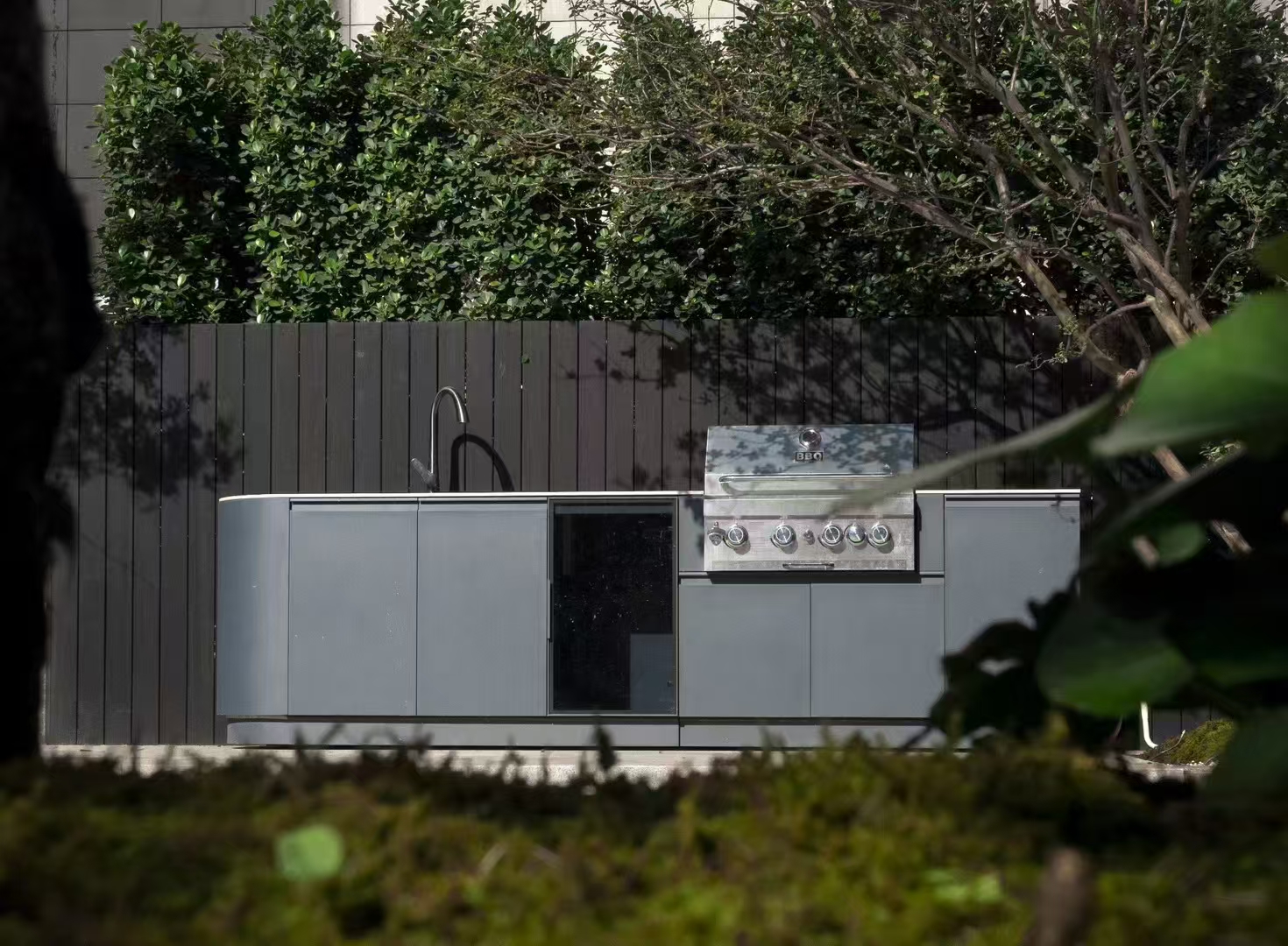
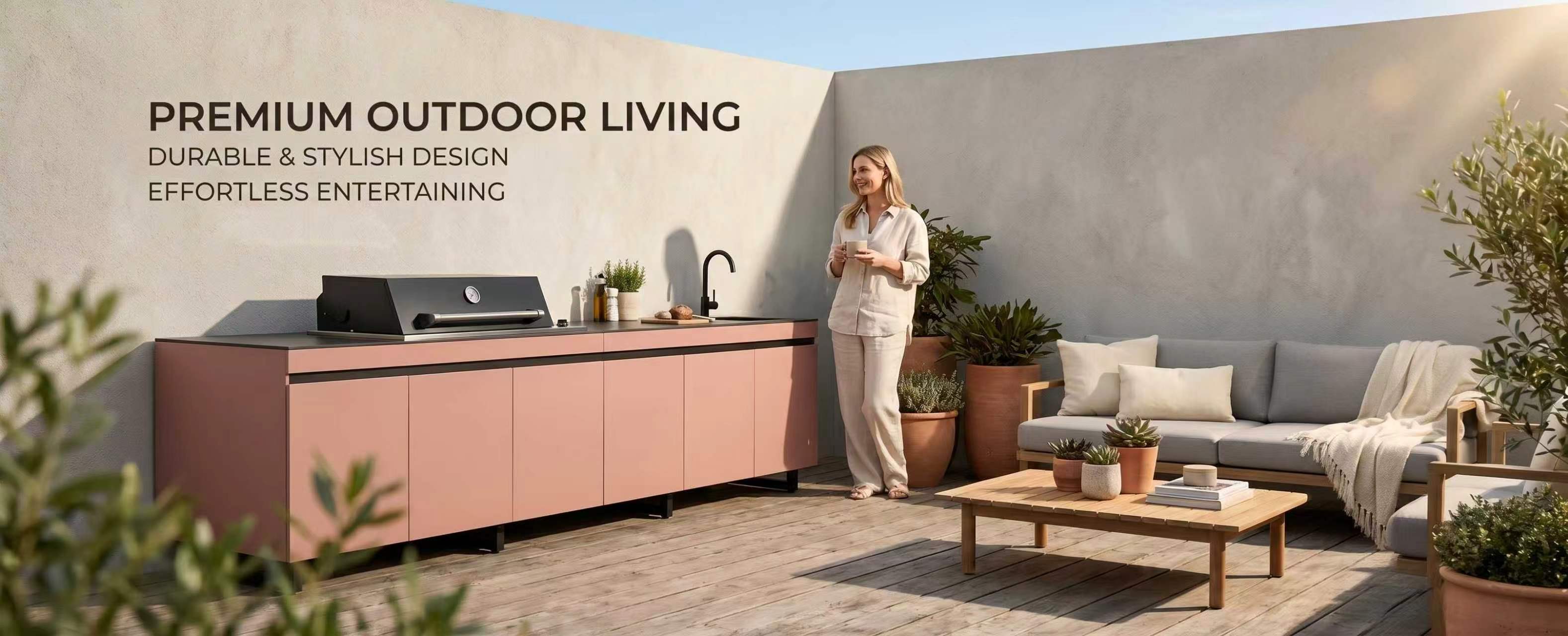
Stainless Steel Outdoor Kitchen Solutions

application/stainless-steel-outside-kitchen, application/stainless-steel-outside-kitchen, 
Inquiry
Inquiry

stainless steel outside kitchen

Stainless  steel outdoor kitchens  are increasingly  becoming a popular choice  for both residential  and commercial  outdoor living spaces. As a durable and aesthetically  pleasing  material,  stainless steel offers  a range  of benefits,  but selecting the  right products requires  a careful evaluation of specifications, quality, and installation practices. This article will delve into  the  critical factors  to  consider when choosing stainless steel for outdoor kitchens, helping purchasing managers, distributors,  and engineers make informed decisions. You might also want to explore our range of Outdoor Kitchens for more options.

 
Common Installation Challenges with Stainless Steel Outdoor Kitchens

Common Installation Challenges with Stainless Steel Outdoor Kitchens

Understanding the key specifications of stainless  steel outdoor kitchen products is vital  for making a suitable choice. Key  specifications include:

Material Composition:  Confirm the specific grade of stainless steel used. For outdoor kitchens,  a minimum of 18% chromium and 8% nickel  is recommended for corrosion resistance.

Thickness: As  mentioned,  gauge measurements are critical. A thickness of  16  or 18 gauge is common for countertops and cabinetry.

Finish Type: Evaluate the type of finish applied, as  it affects both durability and aesthetic appeal. Common finishes include brushed, polished, or powder-coated options.

Weld  Quality: Inspect welds for  consistency  and strength, as poor welds can lead to  structural failures over  time.

Dimensions: Ensure that the  dimensions of the products align with your design specifications and spatial requirements.

By  carefully evaluating these specifications, buyers can better assess the suitability  of stainless steel products for  their outdoor kitchen projects.

Key Specifications for Durable Stainless Steel Outdoor Kitchen Products

Key Specifications for Durable Stainless Steel Outdoor Kitchen Products

Evaluating the quality of stainless steel outdoor kitchen units involves a thorough inspection  of both materials and craftsmanship. Here are some  practical steps to  follow:

Material Verification: Request documentation or  certifications that confirm  the grade of stainless steel used. This is crucial for ensuring long-term durability and resistance to environmental factors.

Sample Examination: Before mass production, request a sample of  the product. Examine it for consistency in finish, thickness, and overall construction quality. Pay attention to the edges  and seams, which should be smooth and  free of sharp burrs.


Manufacturer Reputation: Research the manufacturer’s reputation in the industry. A company like  Shenzhen  Xiaozhu Garden Landscape Engineering Co.,  Ltd., with over  16 years of  expertise,  is  likely to have more robust quality control processes in  place.

Customer Feedback: Look for reviews or testimonials from previous customers. This feedback can provide insights into the product's long-term performance and any common issues encountered.


Warranty and Support: A solid warranty  can be an indicator of a manufacturer's  confidence in their product quality. Ensure that warranty terms align with your expectations for durability and performance.

Where to Source Stainless Steel for Your Outdoor Kitchen Needs

Where to Source Stainless Steel for Your Outdoor Kitchen Needs

Proper installation is critical for  the  longevity and functionality of stainless steel outdoor kitchens. Here are some essential guidelines:

Site  Preparation: Ensure the installation site is level and  free of debris. This foundation will support the weight of stainless steel units and reduce the risk of water pooling, which can lead  to corrosion over time.

Follow  Manufacturer Instructions:  Always adhere to the  installation guidelines provided by the manufacturer. These  guidelines  may include specific anchoring methods, sealing techniques, or spacing requirements.

Professional Assistance: Depending on  the complexity of the installation, consider hiring professionals  with experience in outdoor kitchen installations. Their expertise  can help avoid common pitfalls and ensure a high-quality finish.

Utility Connections: If your outdoor kitchen includes plumbing for sinks or gas connections for grills, ensure that these installations  comply with local regulations and safety standards.

Sealing and Maintenance: After installation, apply appropriate sealants  to joints and seams to prevent  moisture  penetration.  Regular maintenance, including cleaning with non-abrasive cleaners,  will help  maintain the appearance and performance of stainless steel units.

Applications of Stainless Steel in Residential and Commercial Outdoor Kitchens

Outdoor  kitchens  can face various challenges that may affect their performance and longevity. Here  are some common problems and  their solutions:

Corrosion: Even stainless steel can corrode if exposed to harsh conditions. Regular maintenance  and  proper cleaning can mitigate this. Use a mild  detergent and avoid abrasive cleaners that could scratch the  surface.

Heat Damage:  High temperatures from grills can warp or discolor stainless steel. To prevent heat damage, ensure adequate spacing between grills and countertops, and consider using heat shields or heat-resistant mats.

Pests: Outdoor kitchens  can attract pests, particularly in warmer months. Implementing proper storage solutions  and  regular cleaning  can help deter  unwanted visitors.

Water Damage: Poor drainage can  lead to water pooling, which  may cause rust and deterioration. Ensure your  outdoor kitchen design includes effective drainage solutions and regular inspections to address any  blockages.

Wear and Tear: Frequent use can lead to scratches and dents. Opt  for thicker stainless steel materials to withstand everyday use and consider applying a protective coating to minimize visible wear.

By addressing these common issues proactively, buyers can ensure that  their stainless steel outdoor kitchens remain functional and visually appealing for years to come.

Choosing the Right Stainless Steel for Outdoor Kitchen Applications

When selecting stainless steel for outdoor kitchens, several factors come into  play. The most crucial is the grade of stainless steel. For outdoor applications,  304 and 316 grades are commonly  recommended. Grade  304 is resistant  to rust and oxidation, making it  suitable for most outdoor  environments. However, in  coastal  areas where saltwater exposure is prevalent, grade 316, also known as marine-grade stainless steel, is advisable due to its enhanced corrosion resistance.


Another consideration is the thickness of the stainless steel. Thicker materials, generally measured in gauge, offer better durability  and resistance to denting. For  outdoor  kitchen countertops and cabinets, a thickness of at least 16 gauge is recommended for  optimal strength and longevity. To enhance your outdoor space, consider incorporating WPC Decking for a seamless look.


Finally, surface finish should not be overlooked. A brushed finish can help hide fingerprints and scratches, while a polished finish may enhance aesthetic  appeal  but can be more prone to showing wear and tear.  It's essential to weigh  these aspects against the expected usage  and environmental conditions.

Frequently Asked Questions

What is the stainless steel outside kitchen made of?

Our outdoor kitchens use marine-grade stainless steel and durable accessories, designed for long-term outdoor exposure and easy maintenance.
Yes. We design and supply stainless steel outdoor kitchens tailored to residential layouts, integrating with pergolas, decking and landscape features.
Yes. With 16 years of experience we provide custom dimensions, module layouts and finishes to meet specific site and client requirements.
We provide installation guidance, drawings and on-site support as needed, coordinating with builders to ensure proper fit and function.
Regular cleaning with mild detergent, rinsing, and occasional polishing prevents stains. Inspect seals and hardware annually to maintain performance.

Get a Free Quote

Our representative will contact you soon.
0/1000