DIY Outdoor Cabinets: A Comprehensive Guide

application/diy-outdoor-cabinets, application/diy-outdoor-cabinets, 
Inquiry
Inquiry

diy outdoor cabinets

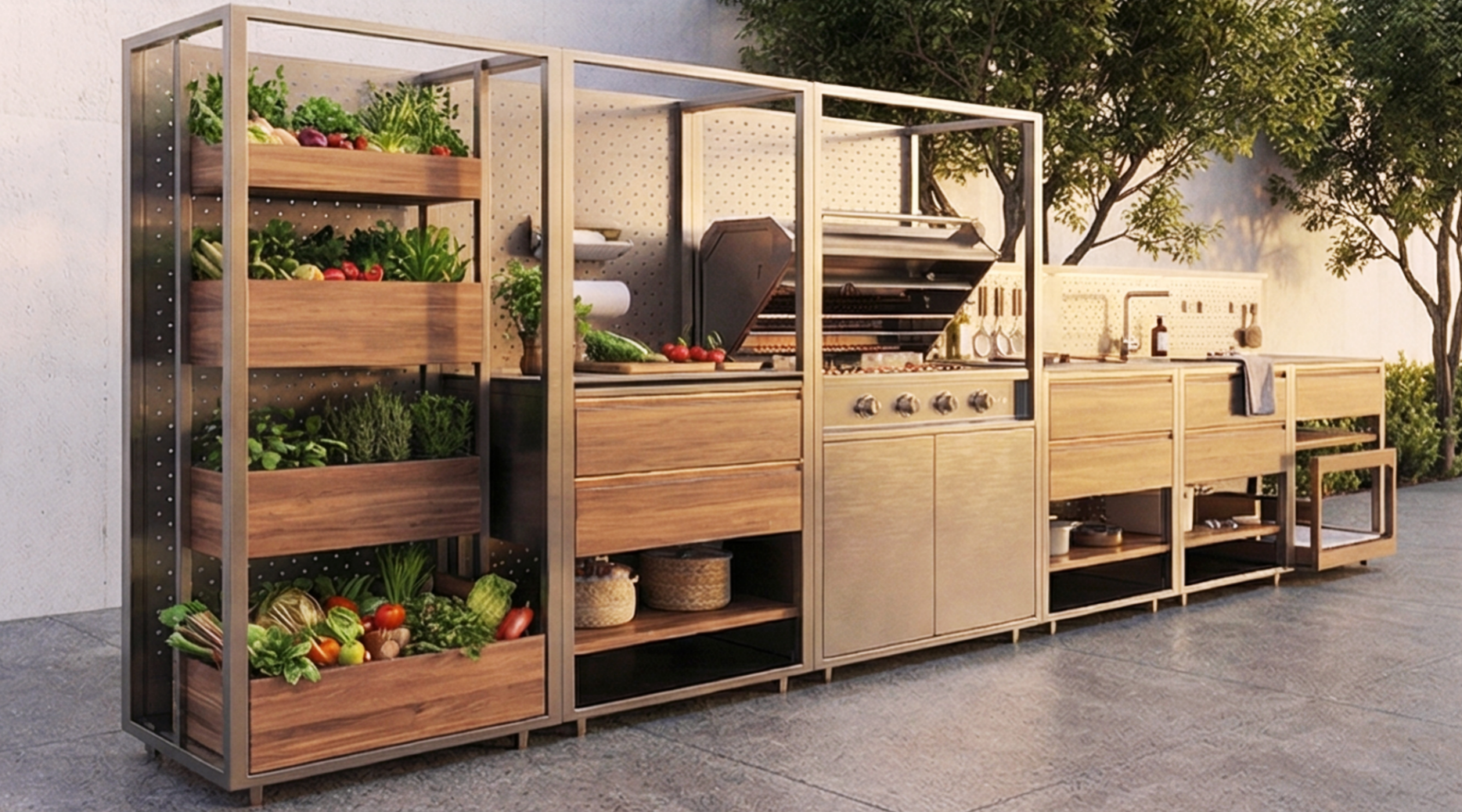
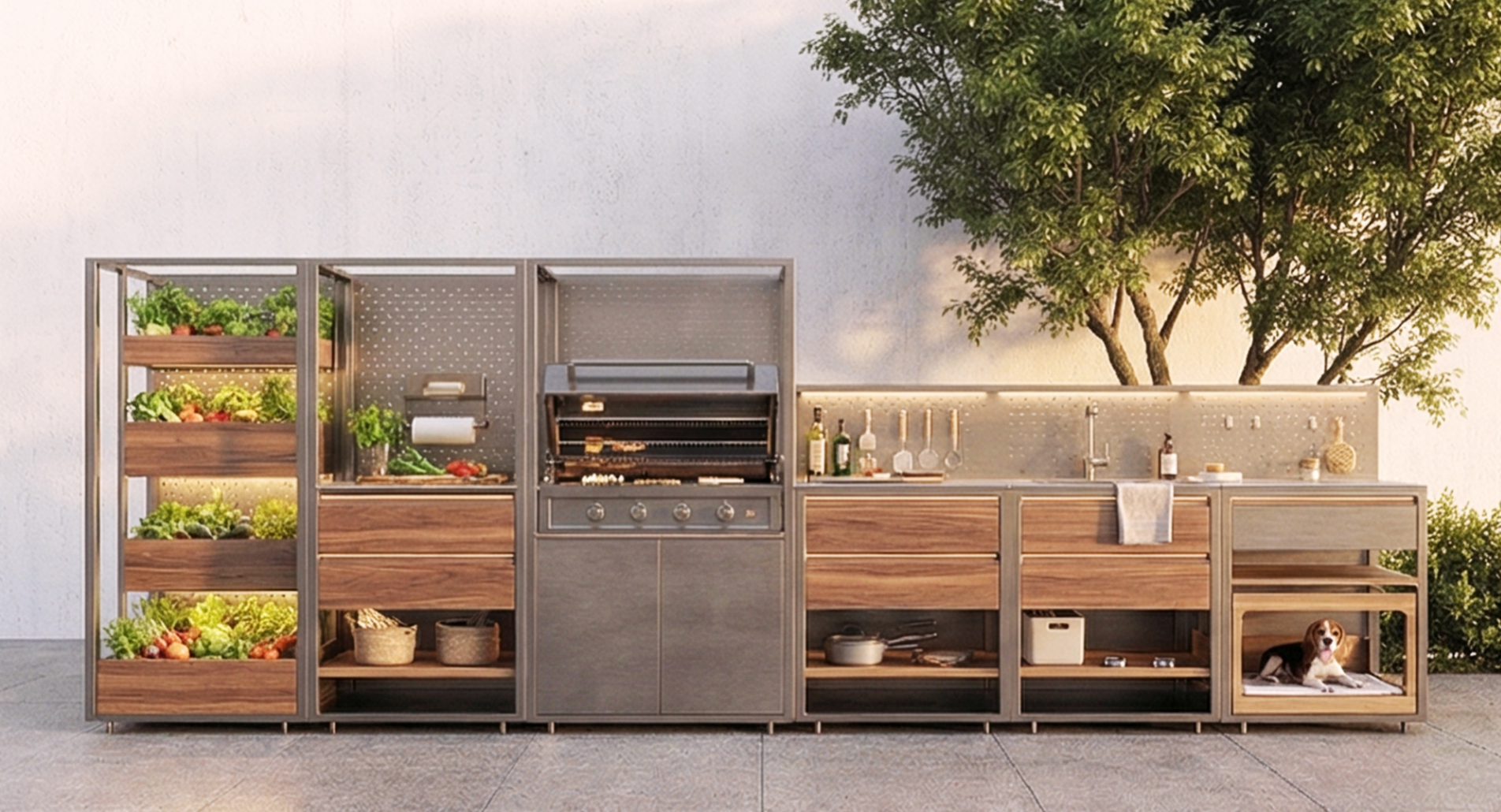
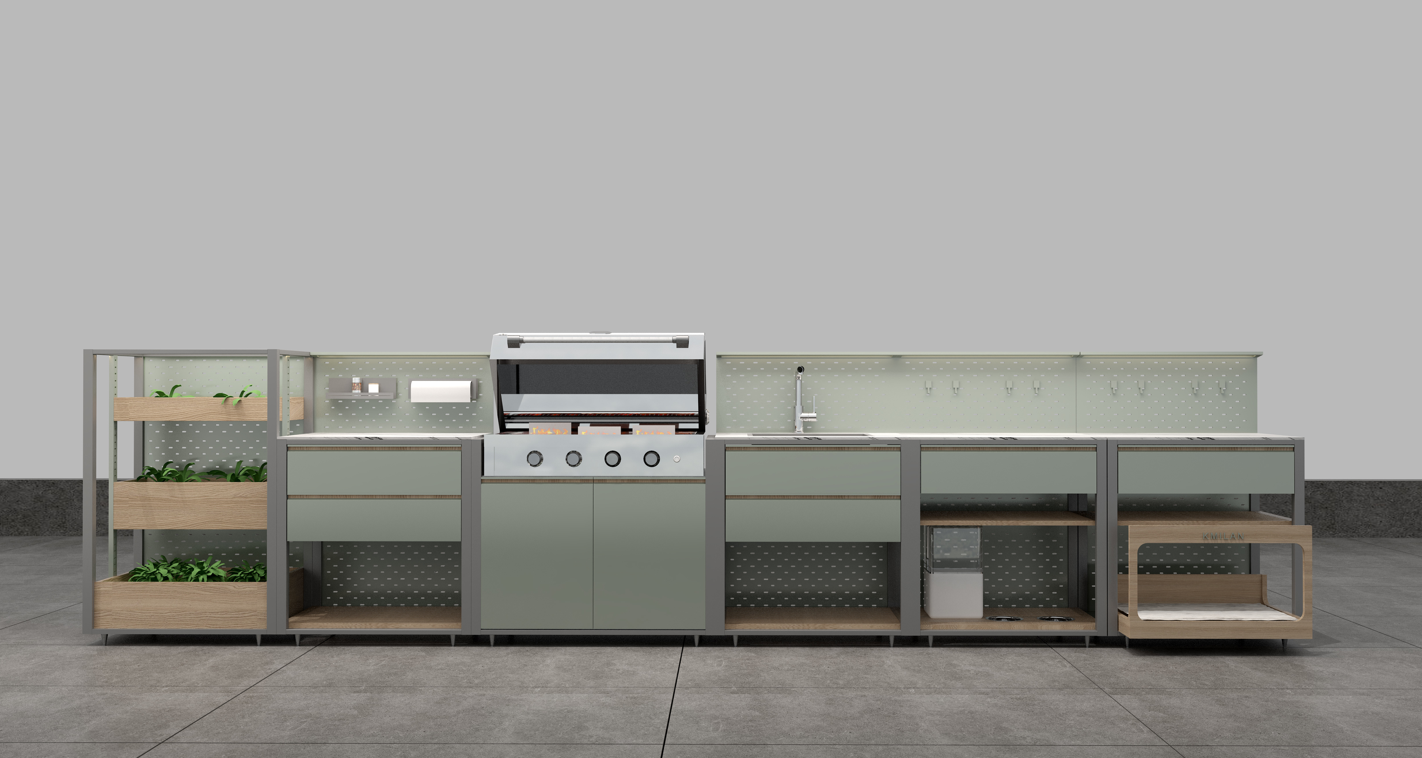
When it comes to  enhancing outdoor spaces,  DIY outdoor  cabinets  offer practical storage solutions  while complementing  the aesthetic  of  any outdoor  kitchen  or living area. However, for B2B buyers such as purchasing  managers,  distributors, and project  managers, understanding the intricacies of these products  is vital. This article aims  to address  key considerations, specifications, and  common challenges  in sourcing DIY outdoor cabinets to help professionals make informed  purchasing decisions.

 
Key Specifications to Evaluate When Sourcing Outdoor Cabinets

Key Specifications to Evaluate When Sourcing Outdoor Cabinets

A variety of specifications should be considered to ensure the quality and  suitability of DIY outdoor cabinets.

Materials: Outdoor cabinets are often made from weather-resistant materials such as WPC  (Wood Plastic Composite) or thermowood, which provide  durability  and resistance to moisture, UV rays, and pests. Understanding the material properties  is crucial; for example, WPC offers a wood-like appearance with superior resistance  to the elements. Additionally, incorporating features from a Complete Outdoor Living Space Design can further enhance the functionality of your cabinets.

Dimensions: Accurate dimensions  are essential for proper installation. Confirm both the  overall cabinet size as well as internal storage dimensions to ensure it meets specific storage needs.


Load Capacity: Evaluate the load-bearing capacity of the cabinets. This  is particularly important if  they  will be used  to store heavy equipment or outdoor tools, as inadequate support can lead to structural failures.

Sealing and Finishing: Examine the types of finishes and seals used on the cabinets. Proper  sealing can prolong the life of  the product by  providing additional  protection against moisture and UV damage.

Assembly Requirements: Consider whether the cabinets require assembly and the complexity involved. Clear instructions and any necessary hardware should be included to facilitate  a smooth installation process.

Focusing on these specifications  ensures that the final product will meet both functional and aesthetic  requirements, ultimately leading to a successful outdoor project.

Where to Find Reliable Suppliers for DIY Outdoor Cabinets

Where to Find Reliable Suppliers for DIY Outdoor Cabinets

Sourcing reliable suppliers is crucial for ensuring the quality and performance of DIY outdoor  cabinets. Start by researching manufacturers with a solid reputation in the industry. Look for companies that  specialize  in outdoor living products, such as Shenzhen Xiaozhu Garden Landscape  Engineering Co.,  Ltd., known for its extensive experience in outdoor kitchens and cabinetry  solutions.

Additionally, consider attending trade shows and industry expos  where manufacturers showcase their products. This provides an  opportunity to  see the cabinets firsthand, assess quality, and directly engage with  manufacturers  for potential partnerships. Online platforms  and  industry directories  can also help in identifying  reputable suppliers, but  ensure to check reviews and feedback  from other buyers to gauge reliability.

Establishing a good relationship with suppliers can lead to better pricing,  customization options, and  support throughout the purchasing process. 

Common Installation Problems and Solutions for Outdoor Cabinets

Common Installation Problems and Solutions for Outdoor Cabinets

While installing  DIY outdoor  cabinets can be straightforward,  several common problems may arise.  Understanding these issues can help mitigate challenges during the installation process.

Misalignment:  Cabinets may not align properly if the  base is uneven. It’s essential  to check the level of the ground or the surface before installation. Use shims to adjust the height when necessary  to ensure a level appearance.

Inadequate Support: If cabinets are not  anchored properly, they can become unstable. Always follow  manufacturer guidelines for securing cabinets to walls  or bases, especially for taller units.

Material Expansion: Temperature fluctuations can cause materials to  expand or contract, leading to gaps or  warping. Allow  cabinets to acclimate to the installation environment before finalizing assembly.

Poor Weatherproofing: Inadequate  sealing can lead to water damage over time. Ensure that all joints and surfaces are properly sealed according to the manufacturer's recommendations to  prevent moisture  ingress.

Being aware of these common problems and their solutions can save  time and  costs associated with rework or replacement, ensuring  a smooth installation process.

A Comprehensive Guide

In summary, sourcing DIY  outdoor cabinets involves careful consideration of materials, specifications, and supplier reliability. Begin by assessing the intended use and placement of cabinets, followed by evaluating key specifications  such as material durability, dimensions, and load capacity. Identify reliable  suppliers through industry  research, trade shows, and direct  engagement to  ensure  quality.  Finally,  be prepared  for potential  installation challenges by  understanding common problems and their solutions.


By following this guide,  B2B buyers  can confidently  navigate the complexities  of sourcing DIY  outdoor cabinets, ensuring they  make informed decisions  that lead to successful outdoor projects.

What to Consider

When sourcing DIY outdoor cabinets, buyers should evaluate  several critical factors.  First, consider the intended use and placement of  the cabinets. Will they be exposed to harsh weather conditions, or will they be sheltered? This  influences the choice  of materials and finishes. Second, assess the  size and configuration of the cabinets to  ensure they  fit  the designated space  effectively. Work with  accurate measurements to avoid mismatches. Third, consider the style  and design features that align with existing  outdoor aesthetics, as  these can impact customer satisfaction  and overall project success. For instance, a  5000mm Extra-Large Custom Outdoor Kitchen Island with Integrated Bar Counter Design can significantly enhance the overall look and functionality of your outdoor area.


Additionally, buyers should think about customization options. Many manufacturers offer  tailored solutions to meet specific design  needs or functional requirements. Be clear about your expectations for layout, colors, and materials when discussing options  with suppliers.


Frequently Asked Questions

What materials are used for your DIY outdoor cabinets?

We use weather-resistant WPC, thermowood, aluminum framing, and stainless steel hardware for durability in outdoor conditions.
Yes. We design cabinets for DIY installation with clear instructions, pre-drilled parts, and support from our technical team if needed.
Yes. They are built to integrate with outdoor kitchens, accommodating appliances, countertop materials, and plumbing requirements.
Routine cleaning with mild soap and water is recommended. For thermowood, occasional oiling preserves appearance; WPC requires minimal maintenance.
Yes. With 16 years’ experience we provide customized sizes, finishes, and layouts to suit both residential and commercial outdoor living projects.

Get a Free Quote

Our representative will contact you soon.
0/1000