Benefits of Thermowood Decking for Outdoor Projects

application/thermowood-decking, application/thermowood-decking, 
Inquiry
Inquiry

Thermowood decking

Thermowood decking is an innovative outdoor material that combines aesthetic appeal with durability, making it an excellent choice for both residential and commercial applications. As a purchasing manager or project manager, your concerns may revolve around quality, specifications, and the suitability of thermowood for your specific needs. This article aims to provide comprehensive insights into Thermowood Decking, addressing key specifications, best practices, applications, and its advantages over alternative materials, equipping you with the knowledge to make informed purchasing decisions.  

Best Practices Explained

Best Practices Explained

When selecting thermowood decking, consider the following best practices to ensure optimal performance and longevity: 

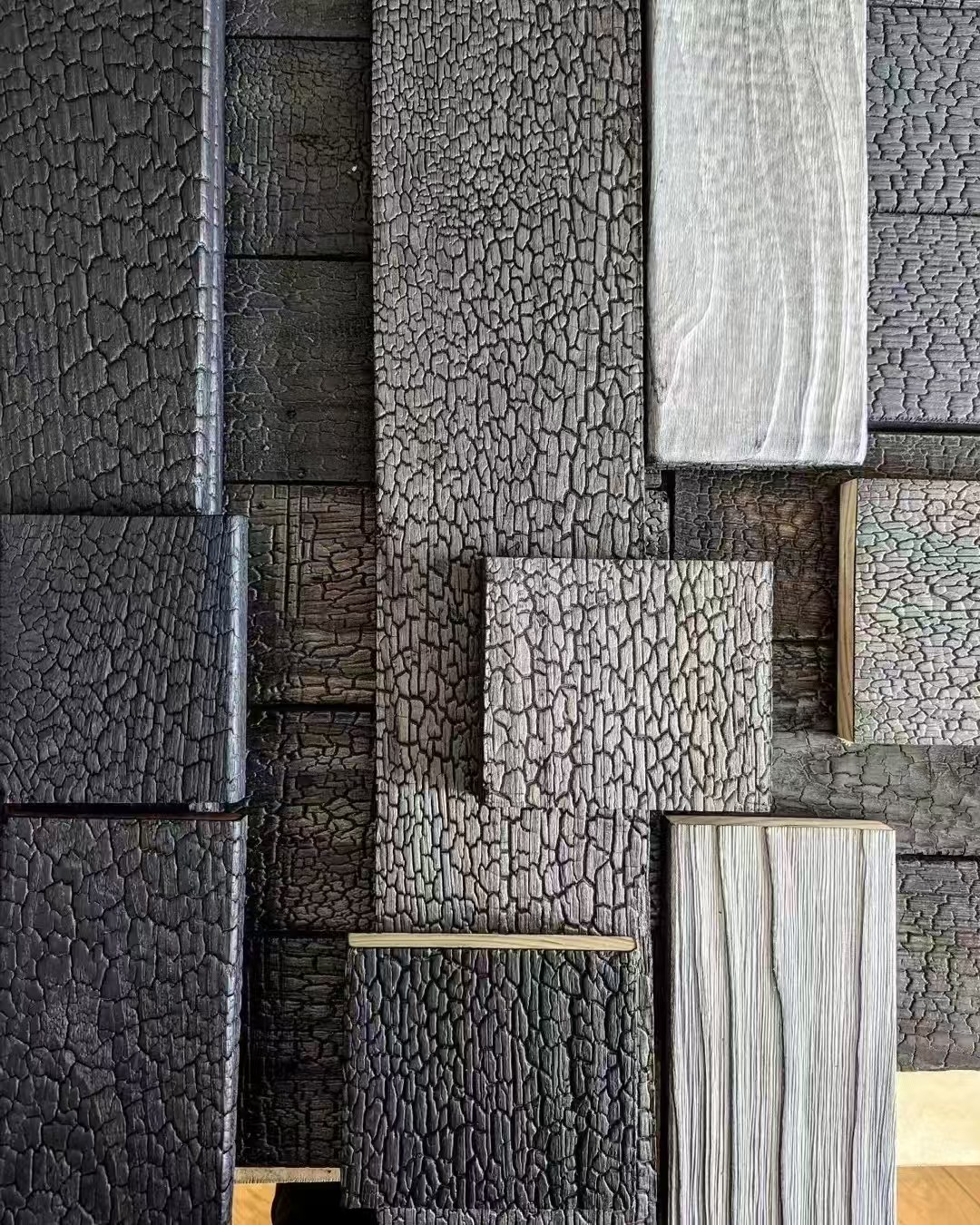
Sample Approval: Always request samples before placing a bulk order. Evaluate the samples for color consistency, grain patterns, and finish quality. This step will help avoid potential issues during installation. 

Installation Guidelines: Follow the manufacturer's installation guidelines closely. Proper installation can significantly affect the decking's performance. Ensure that the thermowood decking is installed with adequate spacing for drainage and ventilation, as this will help prevent moisture buildup. 

Regular Maintenance: While thermowood is low-maintenance, periodic cleaning and oiling can help preserve its appearance. Using a soft brush and mild detergent for cleaning is recommended. Reapplying an appropriate finish every few years can enhance its color and protect against UV damage. 

Environmental Considerations: Ensure that the thermowood is sourced from sustainably managed forests. This not only supports responsible forestry practices but can also be a selling point for environmentally conscious consumers. 

By adhering to these best practices, you can maximize the performance and lifespan of your thermowood wpc decking. 

What to Look for in Thermowood Decking

What to Look for in Thermowood Decking

When evaluating thermowood decking options, there are several critical factors to consider: 

Certification and Standards: Look for thermowood decking that complies with relevant industry standards, such as those set by the Forest Stewardship Council (FSC) or other environmental certifications. This ensures that the wood has been sourced responsibly. 

Wood Species: Different wood species offer varying levels of durability, appearance, and cost. Common species used for thermowood decking include pine, spruce, and fir. Each has its unique characteristics; for instance, pine offers a lighter look, while fir may provide enhanced strength. 

Finish Options: Consider whether you want a pre-finished or unfinished product. Pre-finished options can save time during installation, while unfinished thermowood decking allows for more customization in terms of color and treatment. 

Supplier Reputation: Evaluate the supplier's experience and reputation in the market. A supplier with a strong track record in thermowood products is more likely to provide high-quality materials and reliable service. 

Customization Capabilities: Depending on your project's specific needs, inquire about the supplier's ability to customize dimensions, profiles, or finishes. This flexibility can be crucial for achieving the desired look and performance in your project. 

Applications of Thermowood Decking in Commercial Projects

Applications of Thermowood Decking in Commercial Projects

Thermowood decking is versatile and suitable for various commercial applications, including: 

Outdoor Dining Areas: Restaurants and cafes can benefit from thermowood decking due to its aesthetic appeal and durability. The low-maintenance nature of thermowood makes it ideal for high-traffic areas. 

Parks and Recreational Facilities: Municipalities can utilize thermowood for boardwalks, picnic areas, and playgrounds. Its resistance to moisture and insects ensures longevity in public spaces. 

Retail Spaces: Retail environments that aim for a natural, upscale look can incorporate thermowood in outdoor displays and walkways. The material's warmth and texture can enhance the shopping experience for customers. 

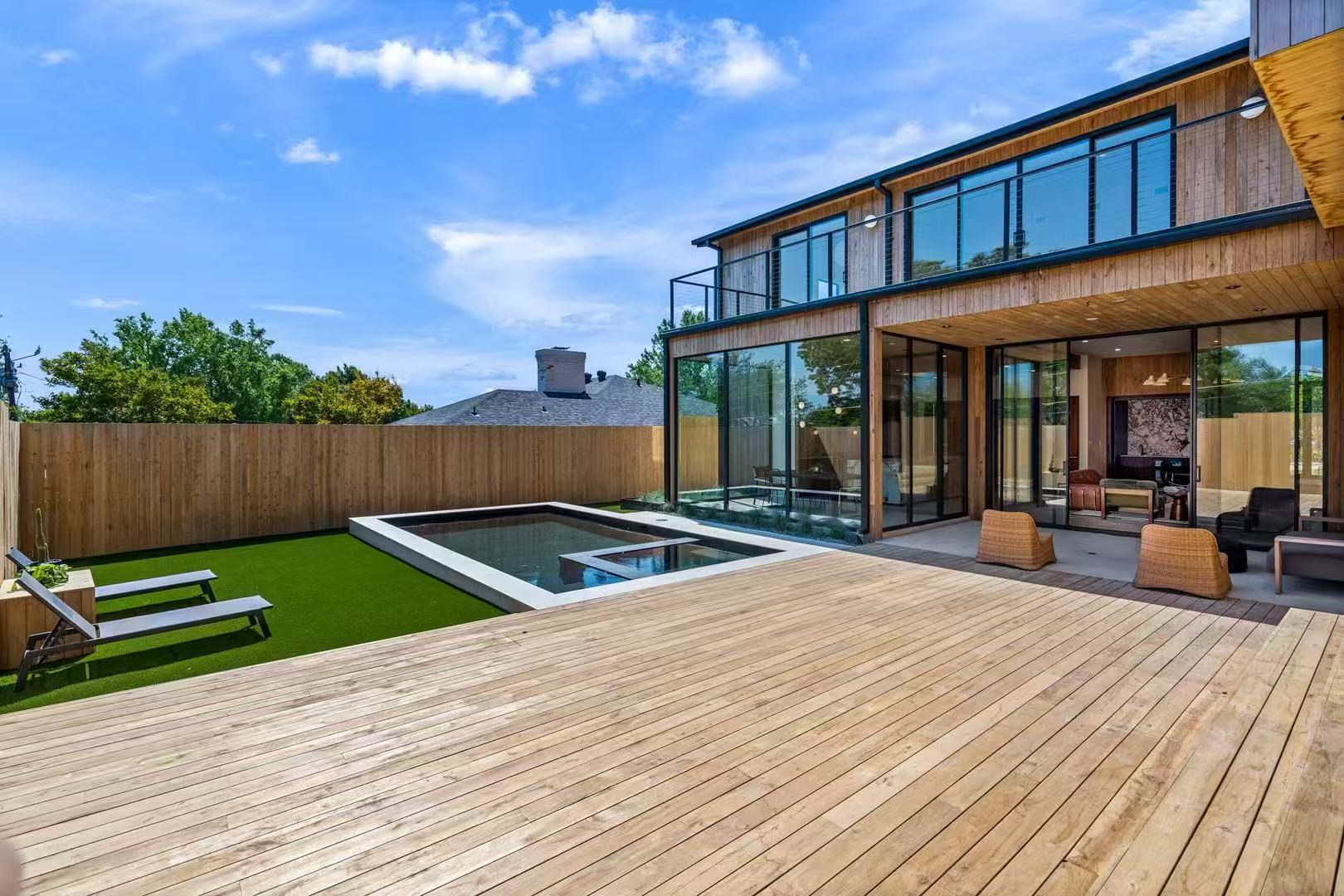
Hospitality Venues: Hotels and resorts can use thermowood for pool decks, patios, and outdoor lounges. The thermowood decking combination of beauty and durability appeals to establishments that want to offer a premium outdoor experience. 

In these applications, the ability of thermowood to withstand varying weather conditions while maintaining its appearance makes it a favored choice among architects and builders. 

Understanding the Advantages of Thermowood Decking Over Alternatives

Thermowood decking presents several advantages over alternative materials, such as traditional untreated wood, composite materials, and plastic decking: 

Natural Aesthetics: Unlike composite or plastic materials, thermowood retains a natural wood appearance, which is often preferred for its warmth and character. The heat treatment enhances the wood's color without the need for synthetic additives. 

Environmental Impact: Thermowood is often sourced from fast-growing, renewable timber species, making it a more sustainable choice compared to synthetic alternatives. Additionally, the treatment process does not involve harmful chemicals, contributing to a lower environmental footprint. 

Longevity and Performance: While composite and plastic decking may offer resistance to rot, thermowood's natural durability, combined with its moisture resistance, ensures a long-lasting product that can withstand years of use without significant degradation. 

Cost-Effectiveness: Over the long term, thermowood decking can be more cost-effective than alternatives due to its durability and reduced maintenance requirements. While the initial investment may be higher, the lifespan and performance can lead to lower overall costs. 

By choosing thermowood decking, buyers can enjoy a combination of beauty, sustainability, and exceptional thermowood decking performance that outmatches many other decking materials on the market. 

Key Specifications and Benefits

Thermowood decking is produced from thermally modified wood, which enhances its natural properties through  a heat treatment process. This modification results in several key specifications that buyers should consider:  

Moisture Resistance: The thermal modification process significantly reduces the wood's moisture content, making composite decking less susceptible to warping, cracking, and decay. This feature is particularly beneficial in outdoor settings where exposure to elements is a concern. 

Dimensional Stability: Thermowood maintains its dimensions more effectively than untreated wood, which can expand and contract with changes in humidity. This stability is crucial for ensuring long-lasting installations in thermowood decking and other outdoor structures. 

Enhanced Durability: Treated thermowood can last significantly longer than untreated wood, often exceeding 25 years in outdoor applications. This longevity translates into reduced maintenance costs and the need for fewer replacements. 

Aesthetic Appeal: The heat treatment not only improves durability but also enhances the wood's natural color and grain. Thermowood develops an attractive, rich hue that can complement various architectural styles. 

Buyers should also inquire about the specific grades and thicknesses available, as these factors can influence both performance and aesthetics. 

Frequently Asked Questions

What is thermowood decking made of?

Thermowood decking is kiln-treated timber heated to alter its cell structure, improving stability, durability, and resistance to moisture and decay without chemicals. Ideal for outdoor decks, pergolas, and commercial installations.
With proper installation and routine maintenance, thermowood decking can last 15–30 years depending on exposure and use. Our 16 years of experience ensures quality selection and installation to maximize lifespan.
Thermowood requires simple maintenance: periodic cleaning, mild detergent washing, and optional oiling or sealing to preserve color and surface. It needs less upkeep than untreated timber but benefits from routine care.
Yes. Thermowood's thermal modification increases resistance to moisture and biological decay, making it suitable for coastal and humid areas when properly installed and maintained.
Yes. We provide integrated outdoor solutions including supply, custom sizing, and professional installation for residential and commercial projects, leveraging 16 years of landscape and decking experience.

Get a Free Quote

Our representative will contact you soon.
0/1000