Choosing Deck Thermowood for Outdoor Projects

application/deck-thermowood, application/deck-thermowood, 
Inquiry
Inquiry

Deck thermowood

Deck thermowood is an innovative material that combines the aesthetic appeal of wood with enhanced durability and resistance to environmental conditions. As a B2B buyer, your primary concerns when considering deck thermowood include its suitability for your projects, quality standards, cost implications, and installation procedures. This article will provide insights into what to consider when choosing composite decking thermowood, specifications of deck thermowood, how to evaluate quality of deck thermowood product quality, cost factors for bulk orders, and installation guidelines for deck thermowood to ensure successful outdoor applications. 

Key Specifications of Deck Thermowood for Wholesale Buyers

Key Specifications of Deck Thermowood for Wholesale Buyers

Wholesale buyers should pay attention to specific specifications when sourcing deck thermowood. Key specifications include: 

Thickness: Typically ranging from 20 mm to 30 mm, the thickness impacts durability and load-bearing capacity. A thicker profile may be necessary for high-traffic areas. 

Dimensions: Standard widths and lengths vary by manufacturer; ensure compatibility with your installation layout. 

Moisture Content: Ideally, thermowood should have a moisture content of 6-12%, which aids in stability and reduces the risk of warping. 

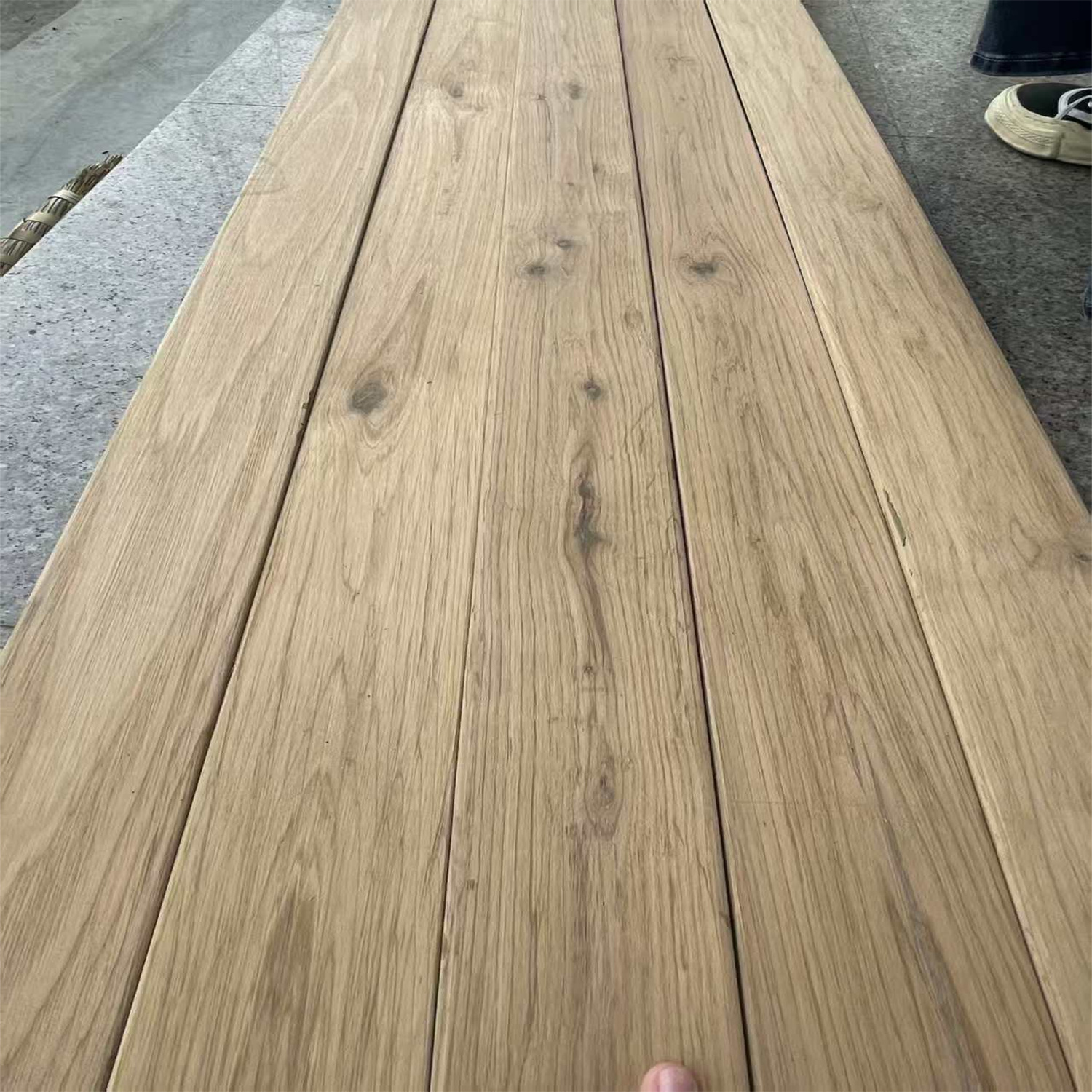
Grade: Look for a consistent grade of wood with minimal knots and defects to ensure uniformity and longevity.  

Surface Treatment: Some thermowood products come pre-treated with UV protectants or finishes, which can save time and labor during installation. 

Confirming these specifications ahead of time can streamline the procurement process and enhance project outcomes. 

How to Evaluate the Quality of Deck Thermowood Products

How to Evaluate the Quality of Deck Thermowood Products

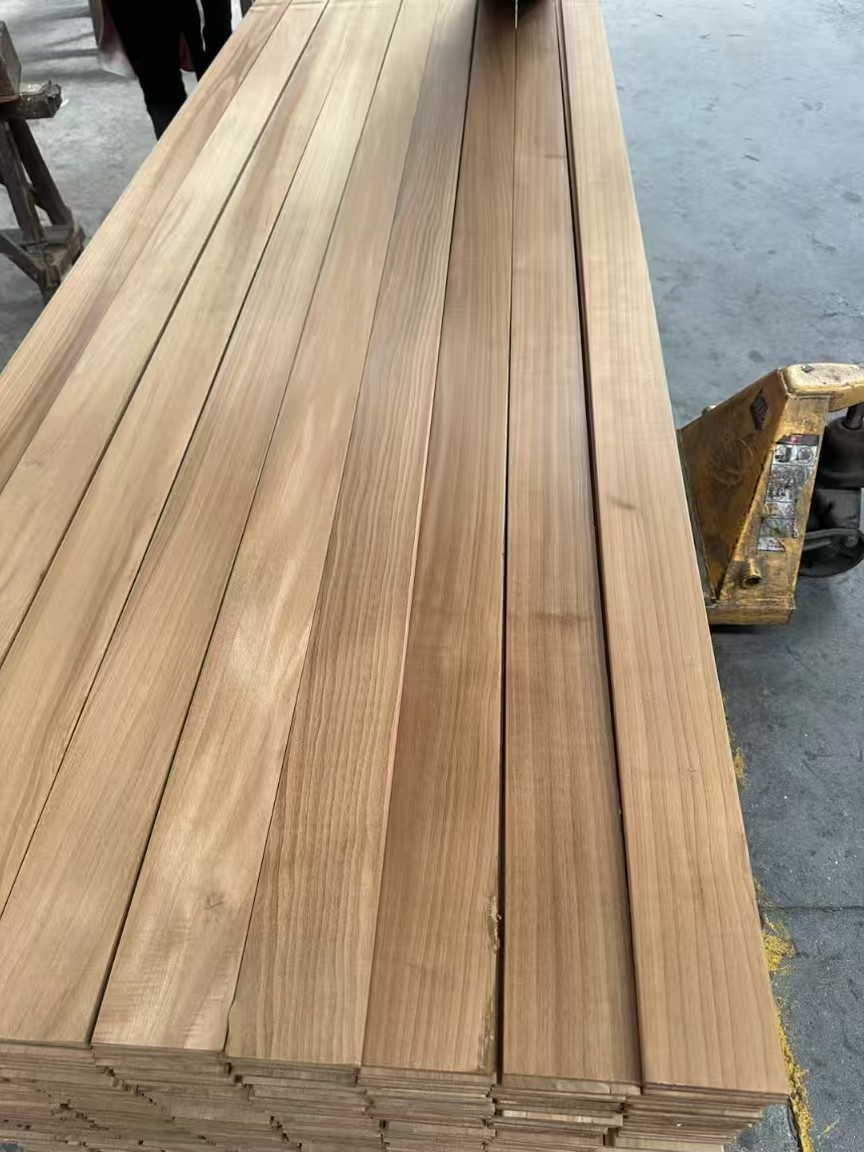
Evaluating the quality of deck thermowood requires a thorough inspection process. Start by requesting samples from potential suppliers to assess the material firsthand. Look for uniform color, consistent grain patterns, and a smooth surface finish. 

Next, inquire about the production process. High-quality thermowood should undergo a thermal modification process that elevates its durability and resistance to environmental factors. Understanding the supplier’s quality control measures during production can provide insights into their commitment to consistency. 

Additionally, check for certifications or standards compliance that the thermowood meets, such as FSC certification, which indicates sustainable sourcing practices. This is especially important for environmentally conscious projects. 

Finally, consider customer reviews or case studies from previous projects using the supplier’s products. Gathering feedback from other buyers can highlight potential issues and validate the supplier’s claims about their thermowood products. 

Cost Factors to Consider for Bulk Orders of Deck Thermowood

Cost Factors to Consider for Bulk Orders of Deck Thermowood

When budgeting for bulk orders of deck thermowood, several cost factors come into play. The base cost of the thermowood itself is influenced by the chosen quality, thickness, and dimensions. Higher-grade materials typically command a premium price due to their durability and aesthetic appeal. 

Transportation costs can also add to the overall expenditure, especially if the supplier is located far from your project site. Consider requesting quotes that include shipping to avoid unexpected charges. 

Additionally, factor in the cost associated with installation. While thermowood can be easier to work with than traditional wood due to its stability, skilled labor may still be required for proper installation, which can add to the overall cost. 

Finally, don't overlook potential long-term savings. Thermowood’s durability and low maintenance requirements can result in lower lifecycle costs compared to other decking materials. Evaluating total cost of ownership rather than just the upfront price is critical for making informed purchasing decisions. 

Installation Guidelines for Deck Thermowood in Outdoor Spaces

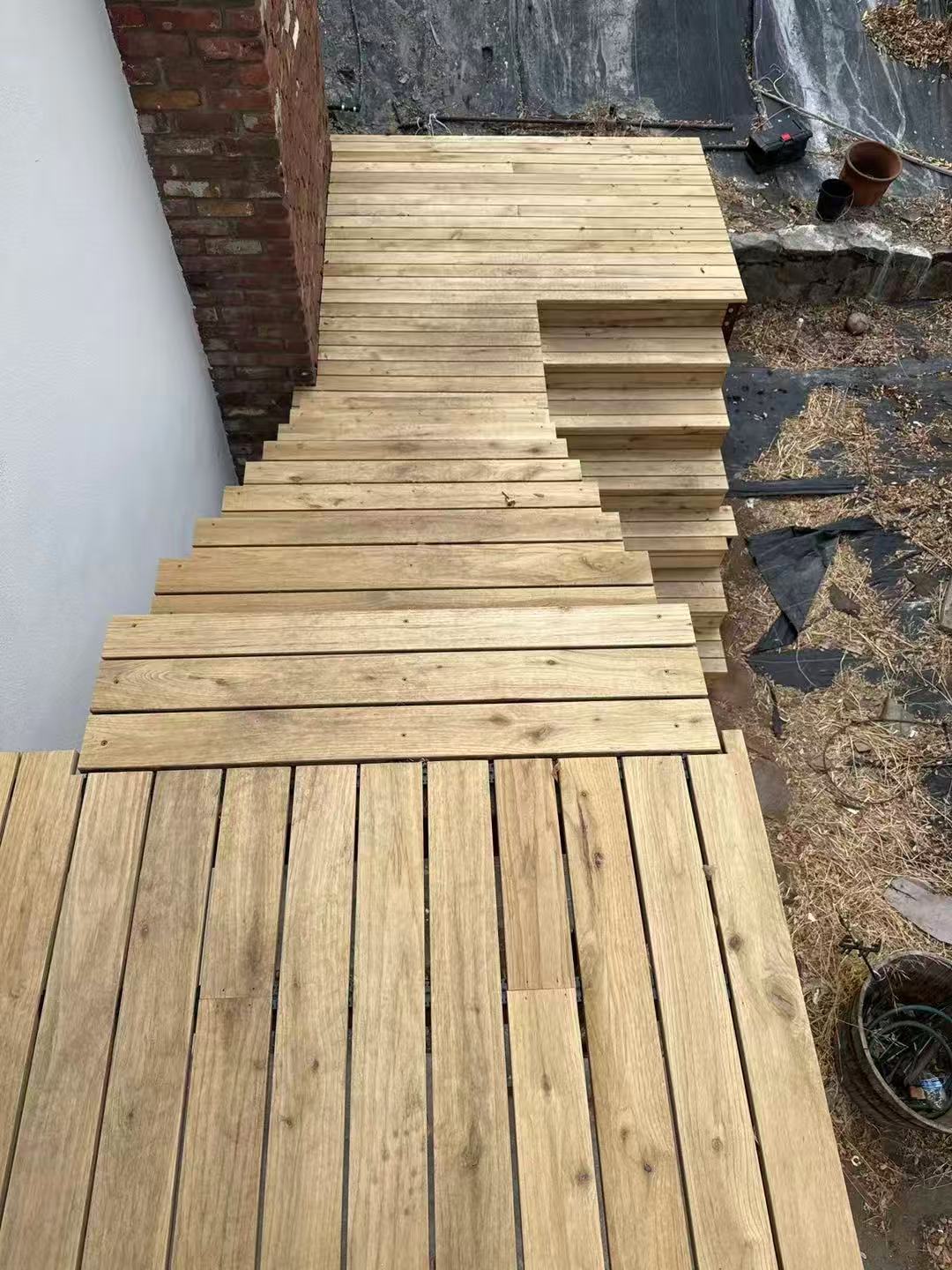
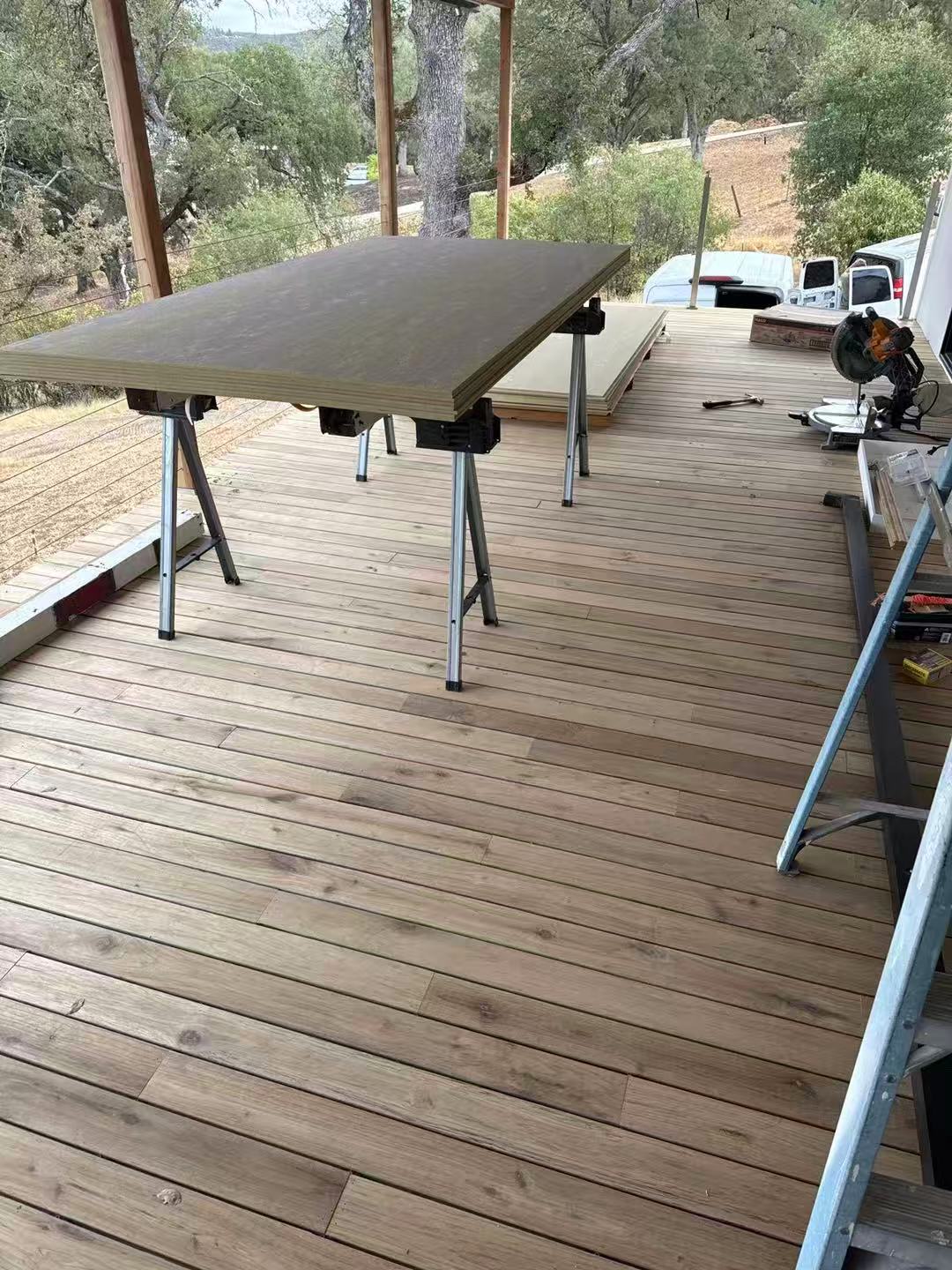
Installing deck thermowood requires careful planning and execution to ensure longevity and performance. Before installation, prepare the substructure to ensure it is level and capable of supporting the weight of the decking. Use treated wood or aluminum as a frame to avoid moisture-related issues. 

During installation, allow for proper spacing between boards to accommodate thermal expansion, especially in hot climates. A gap of at least 5-7 mm between boards is recommended. Additionally, use stainless steel screws to prevent rust and corrosion, which can compromise the integrity of the composite wpc decking over time. 

Finally, after installation, consider applying a protective finish to enhance the wood’s resistance to UV rays and moisture. Regular maintenance, including cleaning and reapplying any protective treatments, will help to preserve the aesthetics and functionality of the deck thermowood. 

By following these guidelines and understanding the practical aspects of deck thermowood, B2B buyers can make informed decisions that lead to successful project outcomes. 

Sourcing ISO 9001-certified thermally modified timber guarantees high dimensional stability, class 1 durability against fungal decay, and chemical-free processing. Utilizing marine-grade stainless steel hidden fasteners alongside aluminum joist sub-framing prevents structural racking, minimizes board cupping, and ensures long-term weatherproofing compliance across high-traffic commercial decking and architectural exterior projects.

What to Consider When Choosing Deck Thermowood for Your Projects

When selecting deck thermowood, it’s essential to assess several factors to ensure it meets your project requirements. First, consider the intended application will it be for residential or commercial use? This distinction can influence the type and thickness of thermowood you may need. 

Next, evaluate the environmental conditions where the deck will be installed. Thermowood is known for its thermal modification process that enhances its resistance to moisture, UV rays, and decay, making it suitable for various climates. However, specific applications such as poolside wpc composite decking may require additional considerations for slip resistance and maintenance. 

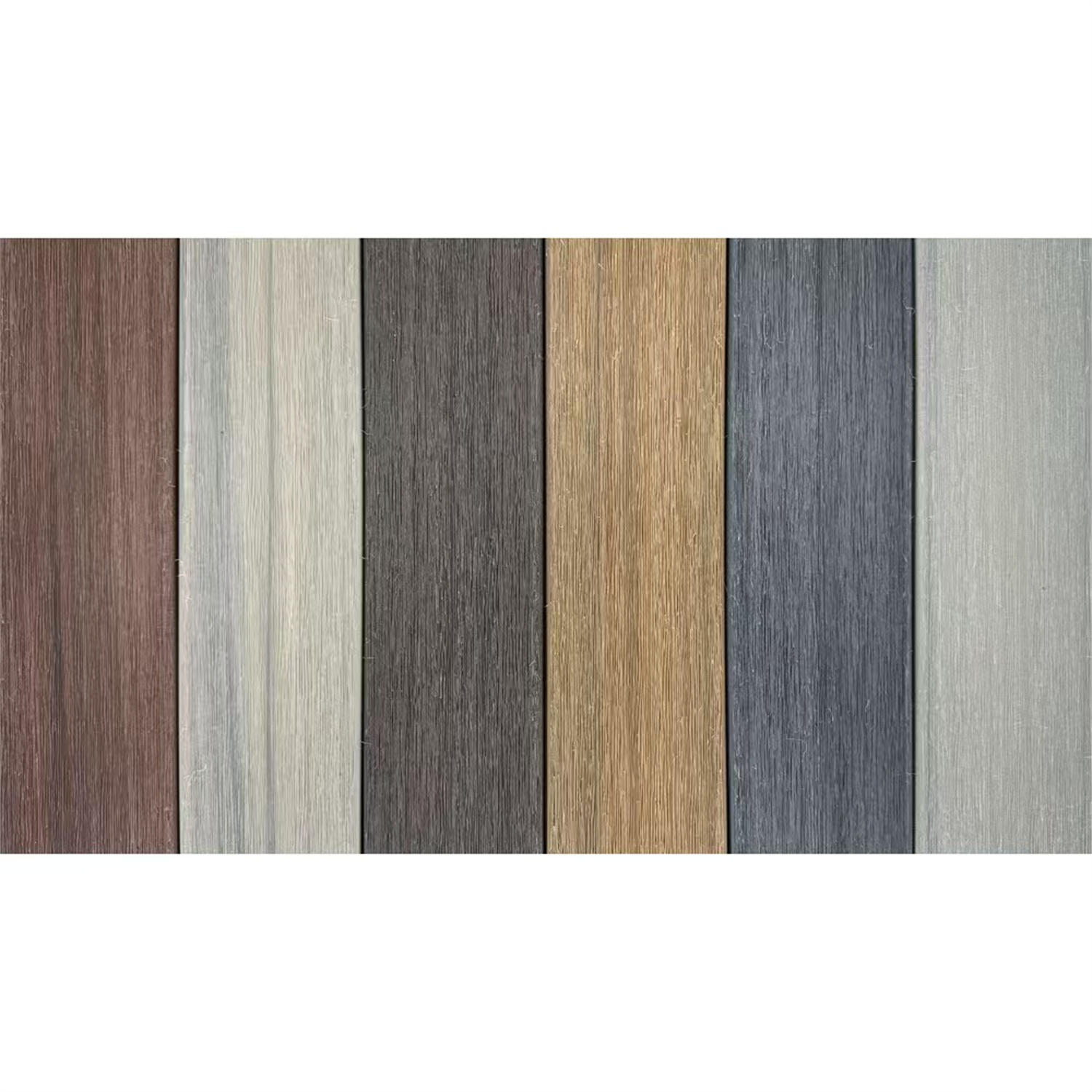
Additionally, understand the aesthetic preferences of your clients. Deck thermowood comes in various colors and finishes, allowing for customization to match the surrounding landscape. Lastly, confirm compliance with local building codes and regulations to ensure safety and durability standards are met. 

Frequently Asked Questions

What is Deck thermowood made of?

Deck thermowood is heat-treated timber that increases durability and stability. Our product is processed to reduce moisture and improve resistance to decay and insects for outdoor decking applications.
With proper installation and minimal maintenance, thermowood decking typically lasts 15–30 years depending on climate and use. Our 16 years of outdoor experience ensures quality and application best practices.
Yes. Thermowood requires occasional cleaning and optional oiling to maintain color. It does not need chemical preservatives, reducing maintenance frequency compared to untreated wood.
Absolutely. We supply thermowood for both residential and commercial projects and can scale production and installation to meet project requirements with professional-grade materials.
Yes. Shenzhen Xiaozhu Garden provides integrated outdoor solutions, including supply and installation of thermowood decking, leveraging 16 years of experience in landscape and outdoor living projects.

Get a Free Quote

Our representative will contact you soon.
0/1000