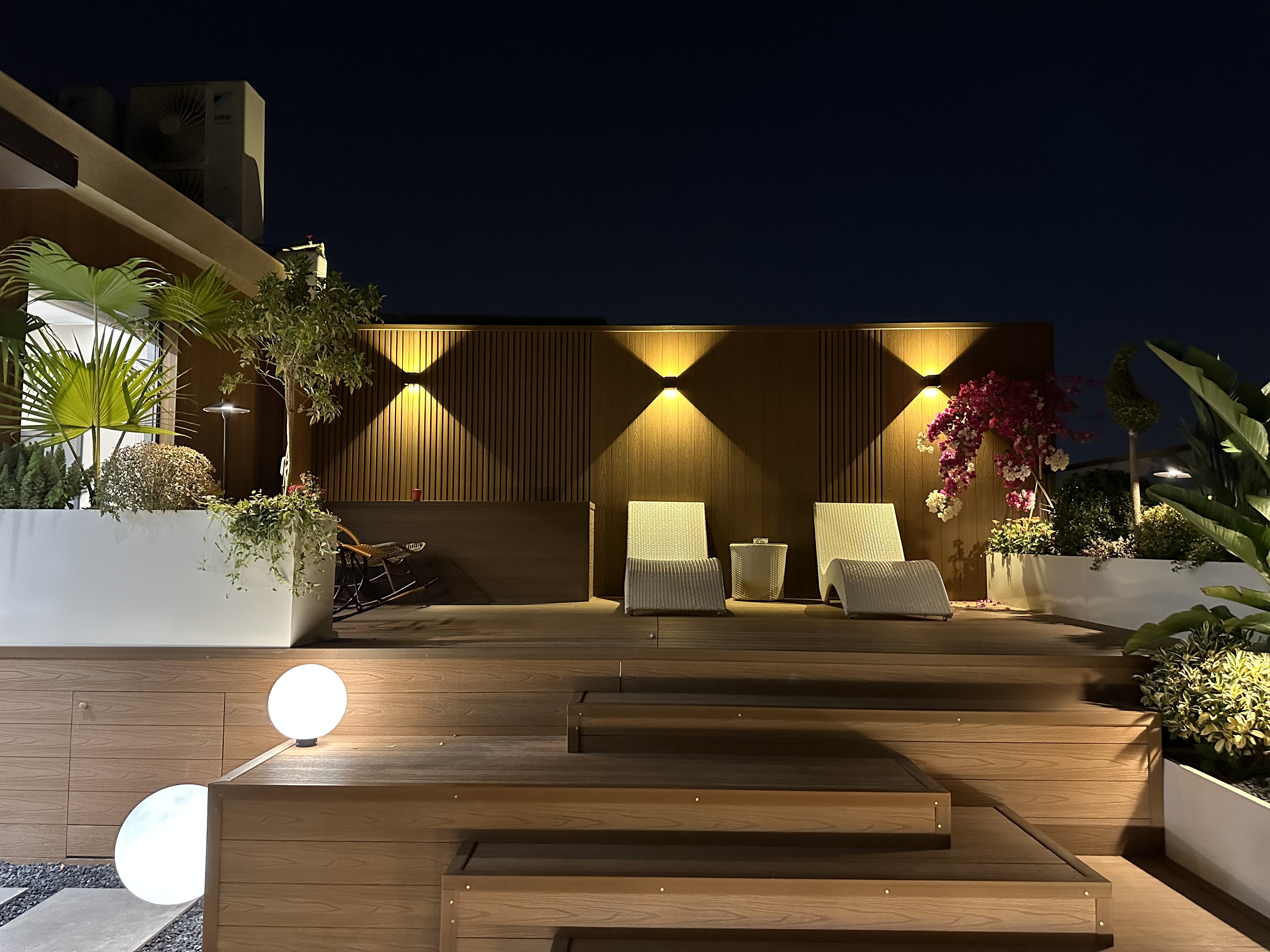
Understanding the Advantages of Composite WPC Decking Over Traditional Wood
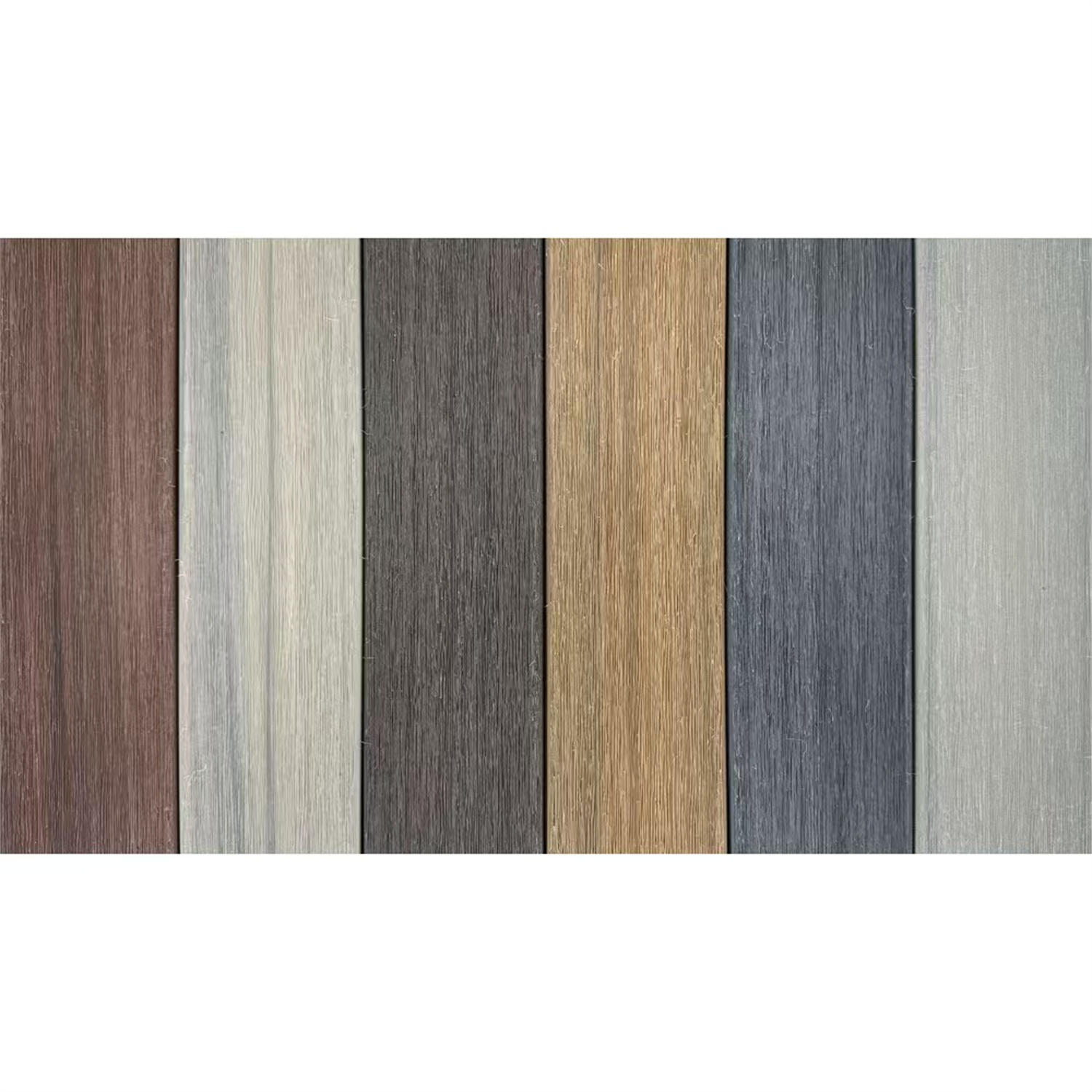
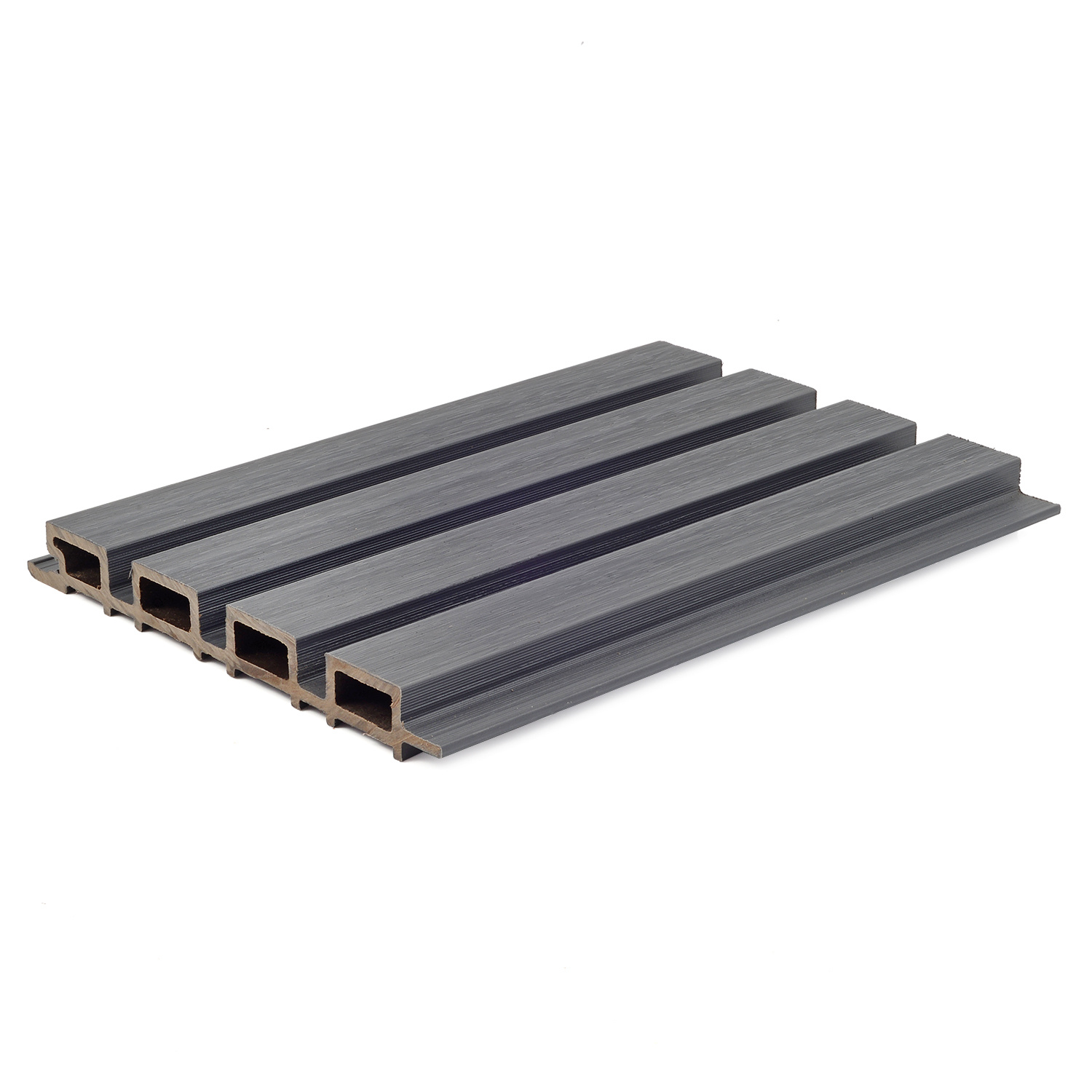
Composite WPC decking offers several advantages over traditional wood materials, making it a popular choice for many applications:
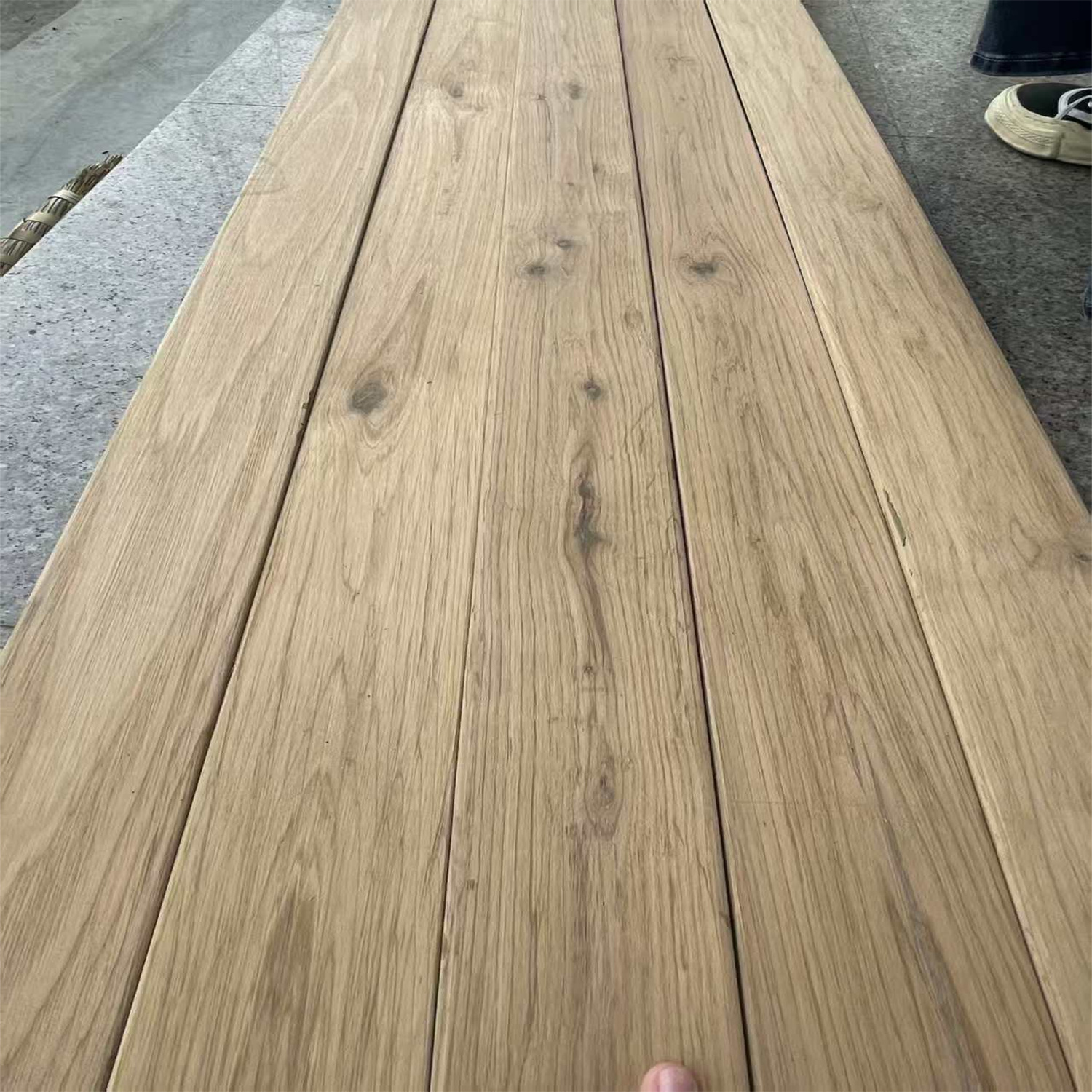
Durability: Unlike traditional wood, composite WPC decking does not splinter, warp, or crack, which means it maintains its appearance and structural integrity over time. This durability translates to lower maintenance costs and fewer replacements.
Weather Resistance: Composite materials are designed to withstand harsh weather conditions, including high humidity, intense sunlight, and temperature fluctuations. This makes them suitable for a variety of climates, reducing the risk of damage associated with traditional wood.
Environmental Impact: Many composite WPC products incorporate recycled materials, making them a more sustainable choice compared to virgin wood. This can appeal to environmentally conscious buyers and align with green building practices.
Ease of Maintenance: Composite decking requires minimal upkeep compared to traditional wood, which typically needs regular staining and sealing. Simple cleaning with soap and water can keep composite decking looking its best, which is an attractive feature for buyers looking to reduce long-term maintenance efforts.
By understanding these key aspects of composite WPC decking, B2B buyers can make informed decisions that align with their project goals and requirements. Whether evaluating quality, considering bulk purchases, or comparing options, these insights will guide purchasing managers, contractors, and distributors in selecting the best decking solutions for their needs.
 EN
EN