Choosing the Right Small Outdoor Storage Cabinet

application/small-outdoor-storage-cabinet, application/small-outdoor-storage-cabinet, 
Inquiry
Inquiry

small outdoor storage cabinet

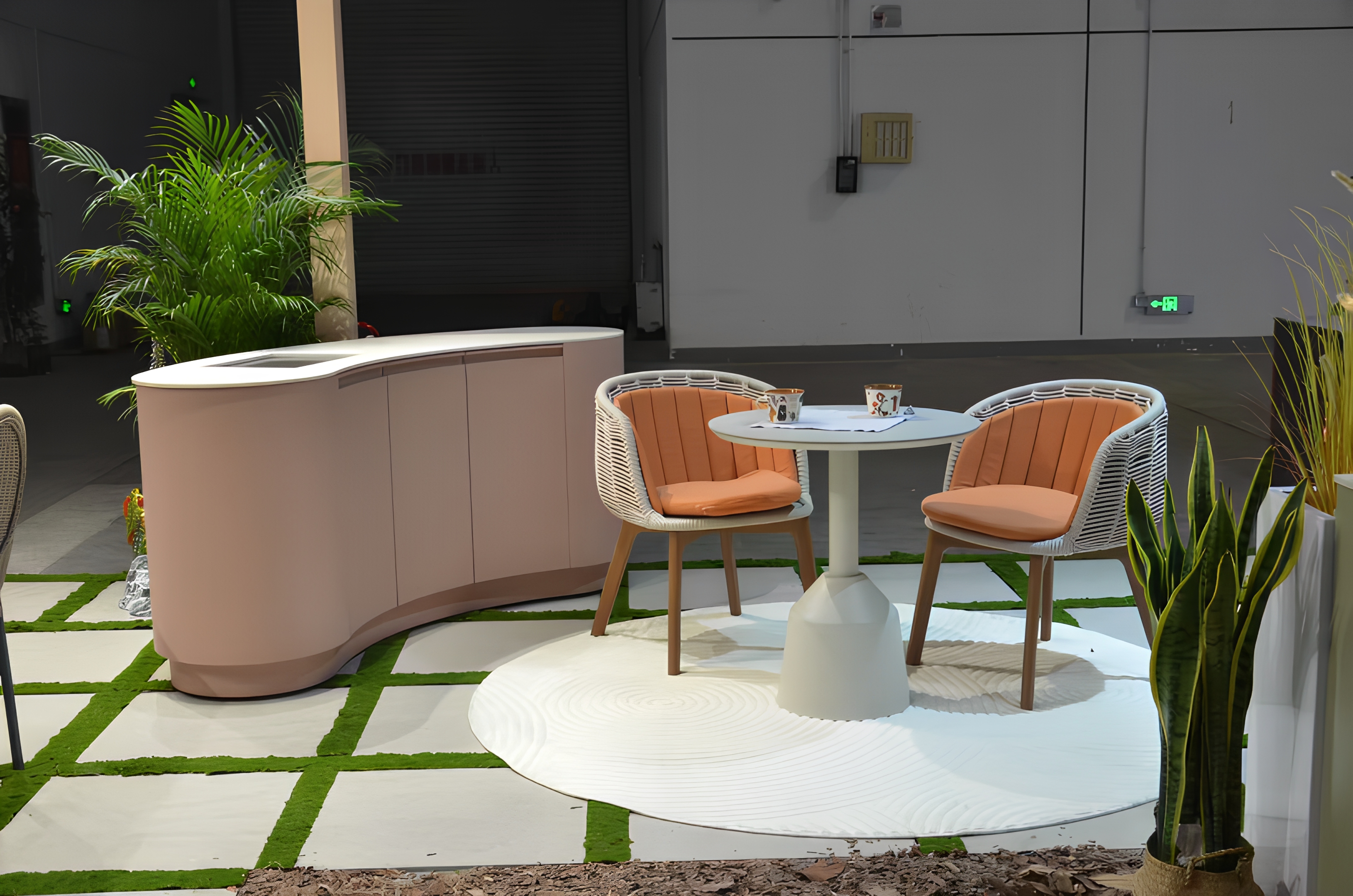
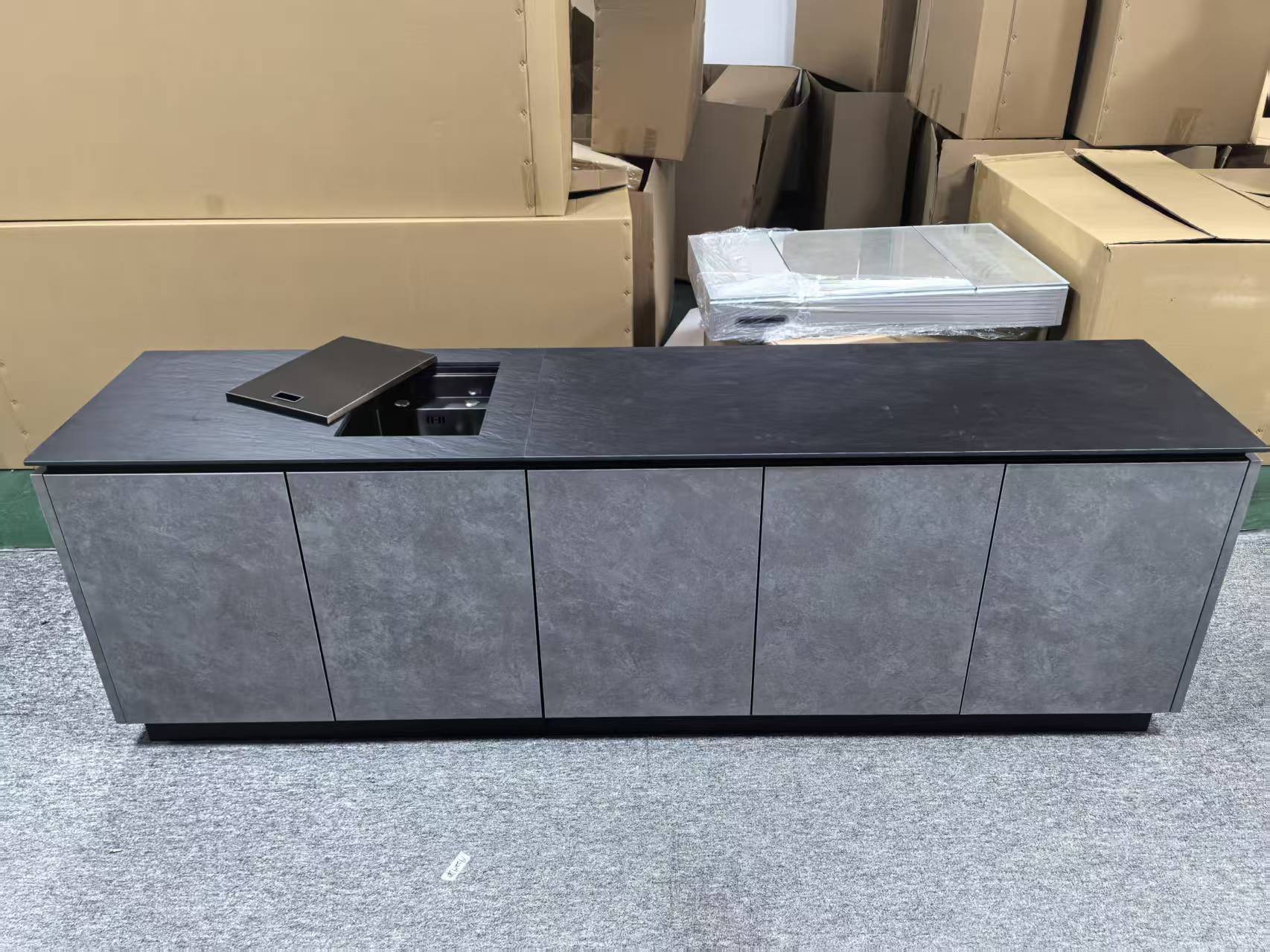
Small outdoor storage cabinets are  essential solutions  for organizing  outdoor spaces,  providing  a  secure place for  tools, cushions, and  other equipment.  When selecting the right cabinet, B2B  buyers often focus  on  durability, material quality,  and design  suitability for various commercial and residential applications. This article will guide  you through critical considerations, installation  tips,  material advantages,  and common issues associated  with small  outdoor storage cabinets.

A Buyeru2019s Guide

A Buyeru2019s Guide

When preparing to purchase a small outdoor storage  cabinet, gather  essential information to facilitate the quoting process. Key aspects to include are:


Product Type and  Model: Specify the type of  cabinet, such as a  vertical or horizontal design, and the  model if applicable.

Dimensions: Provide clear measurements to ensure the cabinet fits the intended space.

Material: Indicate your  preferred  material, whether WPC, thermowood, or another option, based on durability and maintenance  needs.

Quantity: State  the number of cabinets required, which can  impact pricing and lead  time.

Application: Clarify what items will be  stored to help suppliers recommend the most suitable options.

Customization: Mention any specific features required, such as  shelving, locking mechanisms, or ventilation.

Packaging  and Delivery:  Specify if you have particular packaging preferences and the delivery destination for logistical planning.

By providing  this  information upfront,  suppliers can offer tailored recommendations and accurate quotes.

Installation Tips for Your Small Outdoor Storage Cabine

Installation Tips for Your Small Outdoor Storage Cabine

Proper installation ensures the longevity and functionality of your small outdoor  storage cabinet. Here are  some practical tips:

Choose the Right  Location: Select a level surface to prevent tipping  or instability. If the cabinet will be placed on grass or  soil, consider laying a foundation of gravel  or pavers.

Follow Manufacturer Guidelines: Adhere to any specific installation instructions provided  by the manufacturer. This may include assembly steps, anchoring methods, or recommended  tools.

Seal for Protection: If the cabinet is  made from wood, applying a water-resistant sealant can  enhance its durability against moisture and pests.

Ventilation: If storing items  susceptible to dampness,  ensure the cabinet has adequate ventilation to prevent mold growth.

Regular Maintenance: Establish a maintenance  schedule to  inspect the cabinet for wear or damage, especially after severe weather  events.

By following these tips,  you  can ensure that  your  cabinet remains functional and visually appealing  over time.

Understanding Material Advantages of Small Outdoor Storage Cabinets

Understanding Material Advantages of Small Outdoor Storage Cabinets

The material of a small  outdoor storage cabinet significantly affects its performance, durability, and maintenance needs. Here are  some common materials and their advantages:

WPC (Wood Plastic Composite): WPC offers a balance  of  aesthetics and durability. Resistant to rot, moisture, and pests,  it requires minimal maintenance compared to traditional  wood. Its versatility makes it suitable for  various outdoor applications such as WPC Decking.

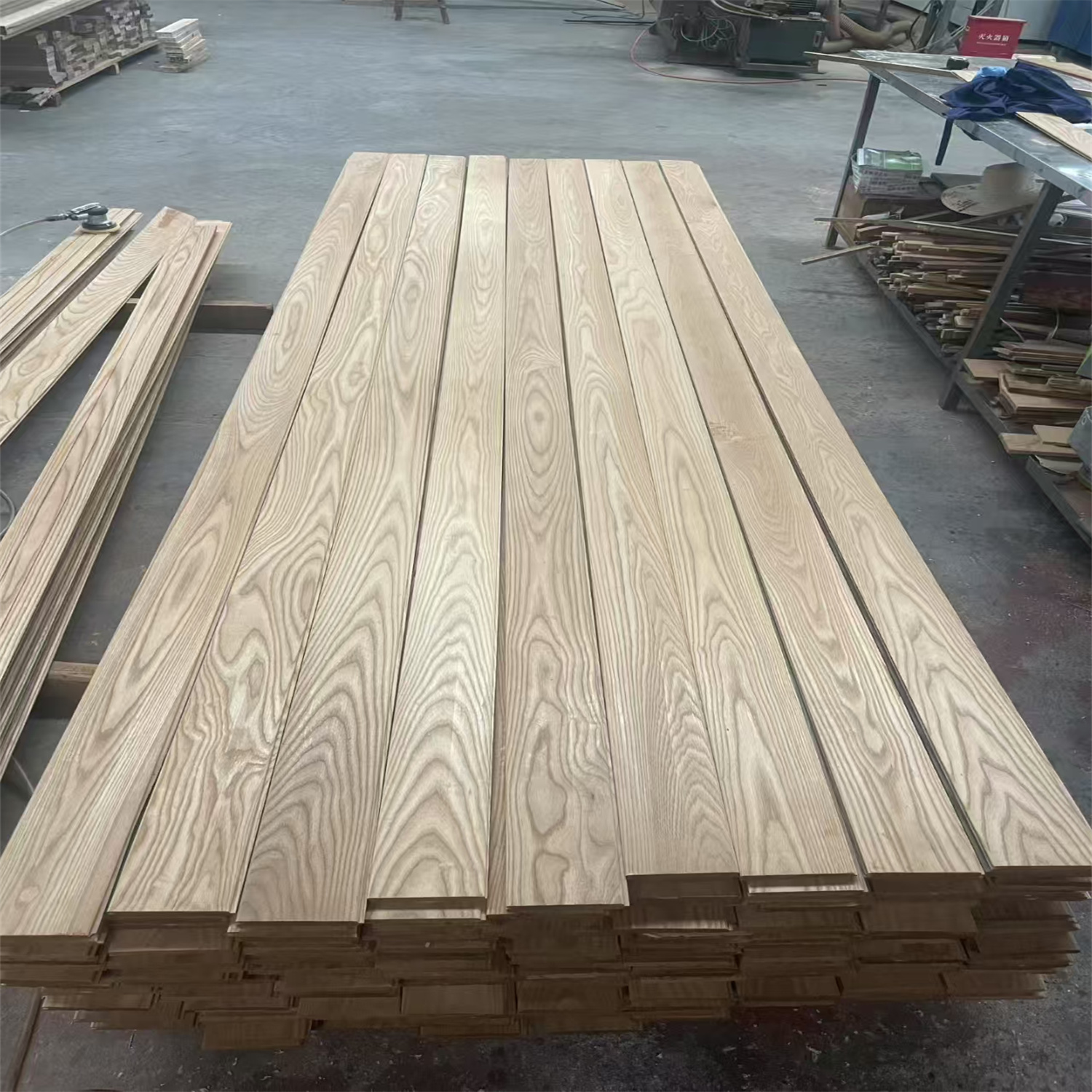
Thermowood: This material  undergoes  a thermal modification process, enhancing its resistance to moisture and decay.  Thermowood  retains the natural appearance of wood while offering improved stability and insulation properties.

Metal:  While often more durable than wood,  metal cabinets can be prone to rust  unless treated  with protective coatings. Choose powder-coated  or galvanized options for increased resistance to  the elements.

Plastic: Lightweight and often less expensive, plastic cabinets are easy to  move and maintain. However, ensure they are UV-stabilized to prevent fading and brittleness over time.

Understanding these material advantages helps buyers make informed  decisions based on their specific  needs and environmental conditions.

Common Problems with Small Outdoor Storage Cabinets and Solutions

Despite their  practical benefits, small outdoor storage cabinets can encounter various issues. Here are some common problems and potential solutions:

Water Damage: If the cabinet becomes waterlogged,  it  can  lead to mold or structural damage. Ensure your cabinet is properly sealed and consider placing it under an overhang or awning for additional protection against rain.

Pest Infestation: Wooden cabinets,  in particular,  can attract pests. Regularly  check for signs of infestation and treat the  cabinet with pest-repellent solutions if necessary.  Using thermowood or treated wood  can also reduce this risk.

Fading or Discoloration: Exposure to sunlight can cause materials, especially plastics, to fade.  Opt for UV-resistant materials or  apply protective coatings to maintain appearance.

Lock Mechanism Failure: For security, ensure that the lock mechanisms are of high quality. Regularly check and lubricate locks to prevent rust and ensure smooth operation.

Structural Instability: Overloading a cabinet can cause it to  tip or  sag. Always adhere to  the  manufacturer's recommended weight limits and distribute items evenly within the cabinet.

Addressing these common issues proactively can enhance the longevity and effectiveness of your  outdoor storage solution.

By understanding your needs, knowing what to include in your RFQ, and being  aware of common problems,  you can make  informed decisions when purchasing a small outdoor storage cabinet.

Choosing the Right Small Outdoor Storage Cabinet for Your Needs

Selecting the right small outdoor storage cabinet involves understanding specific  requirements based on your project. Consider factors  such as size, capacity, and intended use.  For instance, if the cabinet will be used to store gardening tools, it should be spacious enough to accommodate items like shovels and  pots,  while a cabinet for  storing pool supplies may need to be waterproof.

Assess the location where  the cabinet will be placed. Will it  be exposed to harsh weather conditions? If so, opt for  materials  that offer superior weather resistance. Cabinets  made from WPC Wall Panels or thermowood are excellent choices because  they combine the aesthetic appeal of natural wood with enhanced durability and  moisture resistance.

Additionally, consider  your design preferences. The cabinet should complement existing outdoor structures, such as patios or gardens. Customization options  may  also be available  to  meet specific size  or color requirements, giving you flexibility  in your project.

Frequently Asked Questions

What are the dimensions and capacity of the small outdoor storage cabinet?

Our small outdoor storage cabinet comes in customizable sizes; a common model is 100×50×80 cm, offering 200–400 liters of storage depending on configuration. Contact us for exact dimensions to fit your project.
We use weather-resistant materials such as WPC, thermowood finishes, and powder-coated aluminum frames to resist moisture, rot, and UV exposure for long outdoor service life.
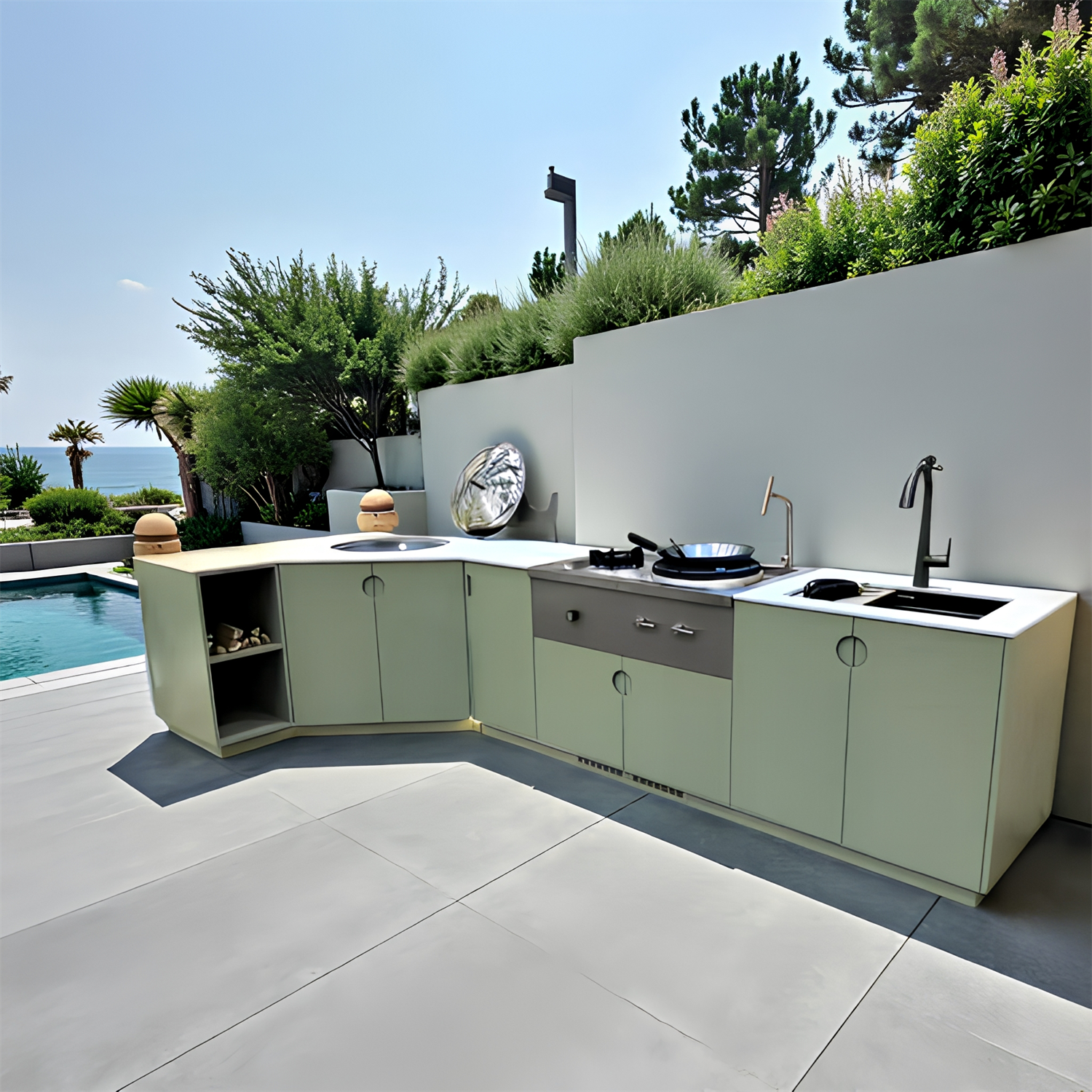
Yes. Designed for both residential gardens and commercial outdoor areas, it integrates with outdoor kitchens, pergolas, and landscape installations.
Installation is straightforward with supplied hardware; it can be anchored to a flat surface. Routine maintenance includes cleaning with mild soap and inspecting seals and fasteners annually.
Absolutely. With 16 years of experience, we offer custom sizes, finishes, and hardware to match WPC, thermowood, or pergola styles for integrated outdoor living solutions.

Get a Free Quote

Our representative will contact you soon.
0/1000