Best Practices
Implementing best practices can streamline the process of creating an outdoor kitchen and ensure optimal results. Here are some recommendations:
Plan for Utility Needs: Before installation, outline the electrical, plumbing, and gas requirements for appliances. Consulting with professionals can help avoid costly modifications later.
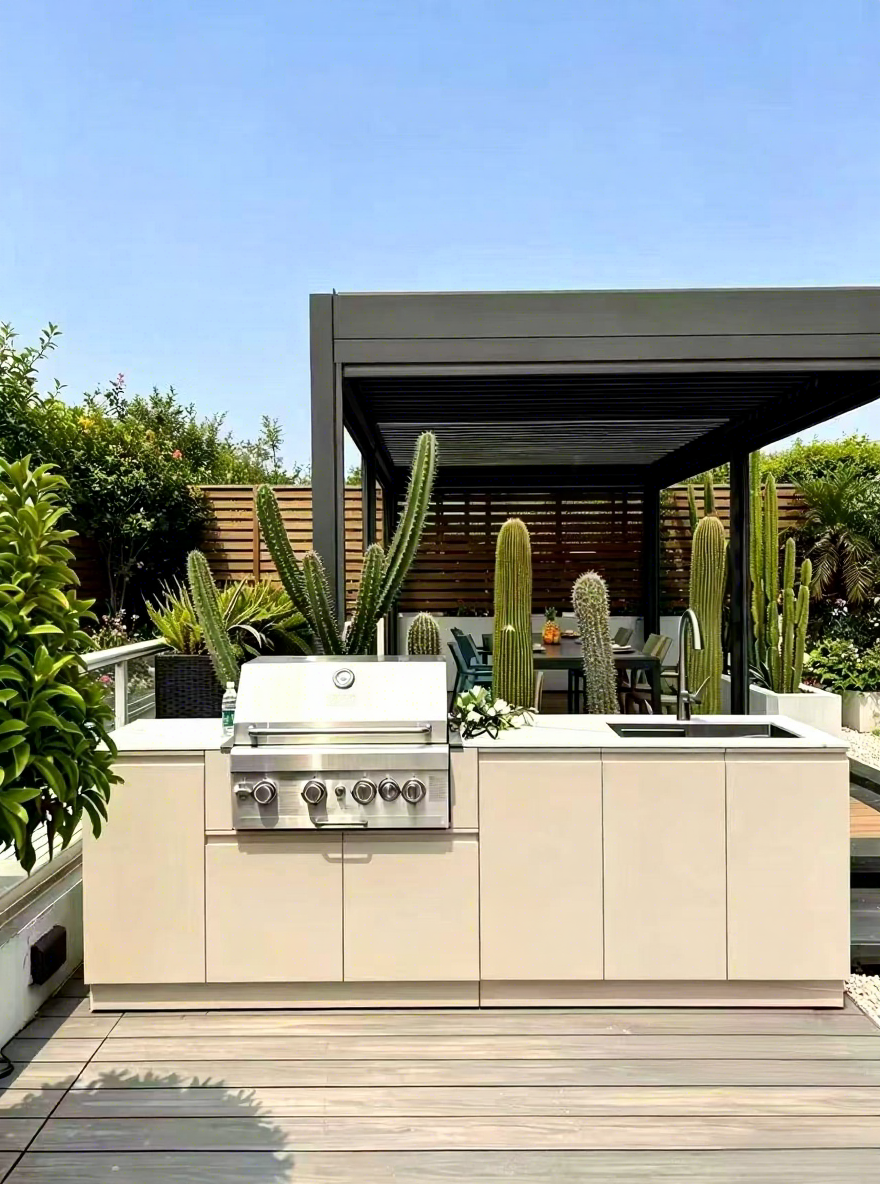
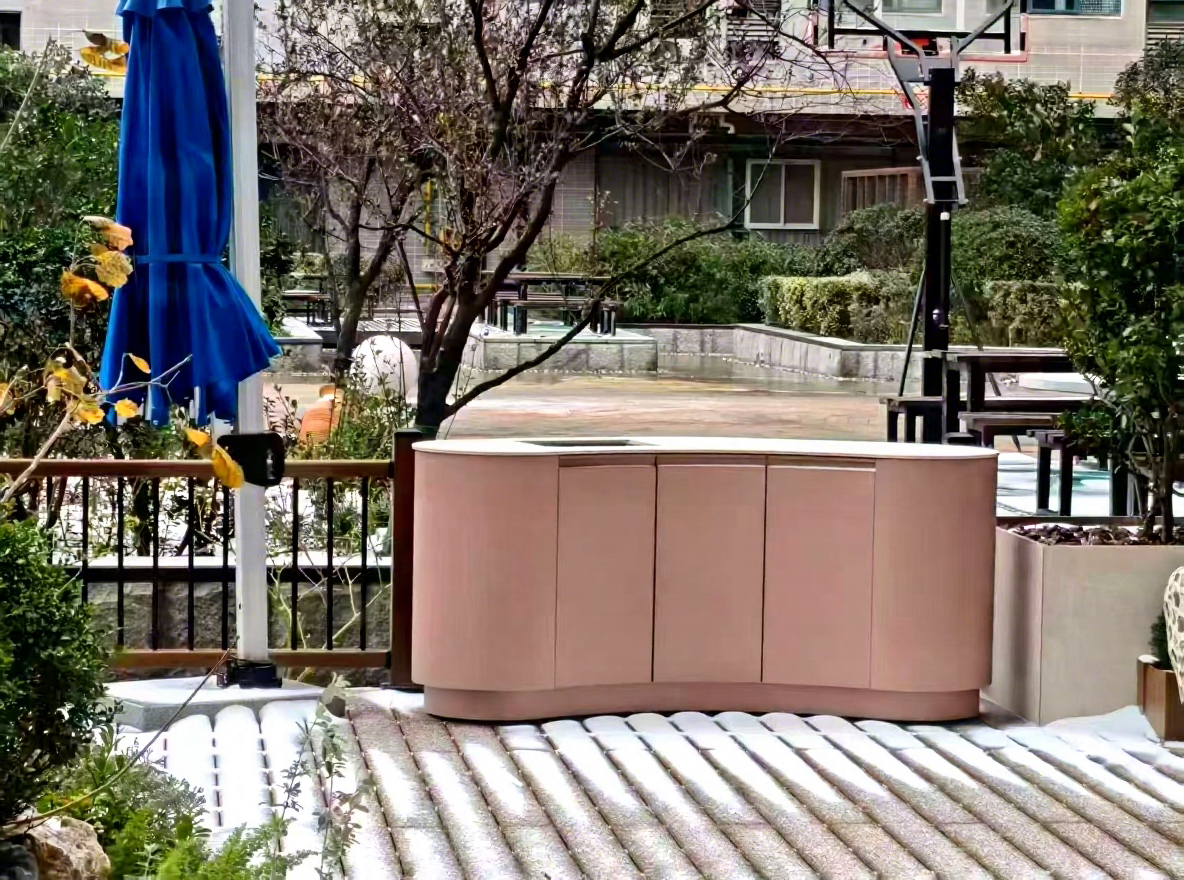
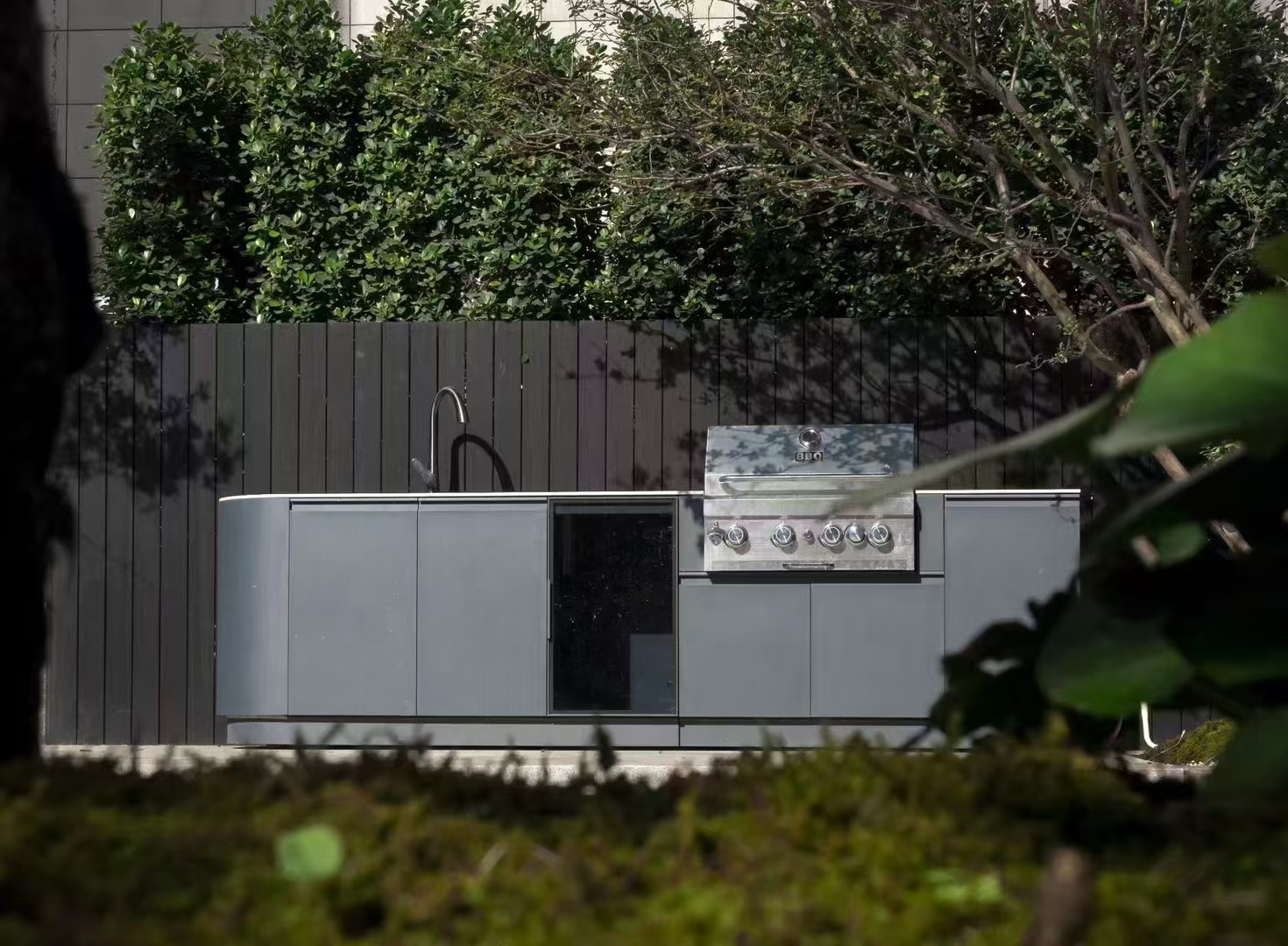
Incorporate Storage: Adequate storage is crucial for keeping your outdoor kitchen organized. Consider built-in cabinets or storage solutions that can withstand outdoor conditions.
Design for Safety: Ensure that the layout allows for safe cooking and movement. Adequate spacing between appliances and seating areas can prevent accidents.
Test Materials: Before full-scale production, test materials in a real-world environment to assess their performance. This is a critical step that can prevent issues once the kitchen is operational.
By following these best practices, you can create an outdoor kitchen that is not only beautiful but also functional and durable, ready to withstand the test of time.
In summary, thoughtful planning, material selection, and supplier evaluation are key components in designing an outdoor kitchen that meets buyer expectations. By addressing these aspects, you can confidently move forward with your project, creating an inviting space that enhances your outdoor living experience.
 EN
EN