Advantages of Using Carbonised Wood in Sustainable Building Projects
Sustainability is a growing concern in the construction and landscaping industries, making carbonised wood an appealing choice for eco-conscious buyers. Here are some advantages of using this material in sustainable building projects:
Enhanced Durability: The carbonisation process significantly increases the wood's resistance to decay, insects, and weathering, reducing the need for chemical treatments and maintenance.
Sustainable Sourcing: When sourced from responsibly managed forests, carbonised wood supports sustainable forestry practices, helping to preserve ecosystems and reduce carbon footprints.
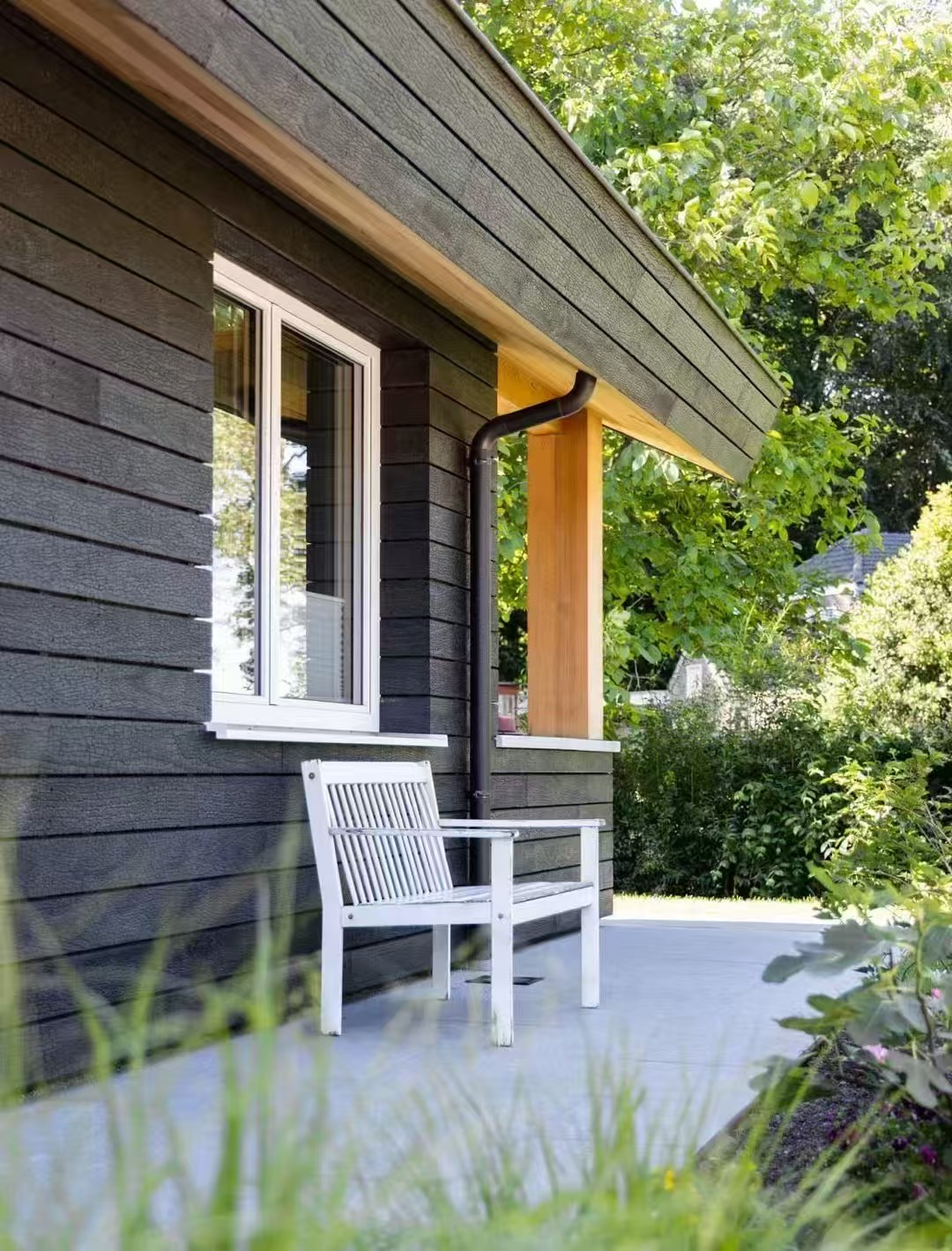
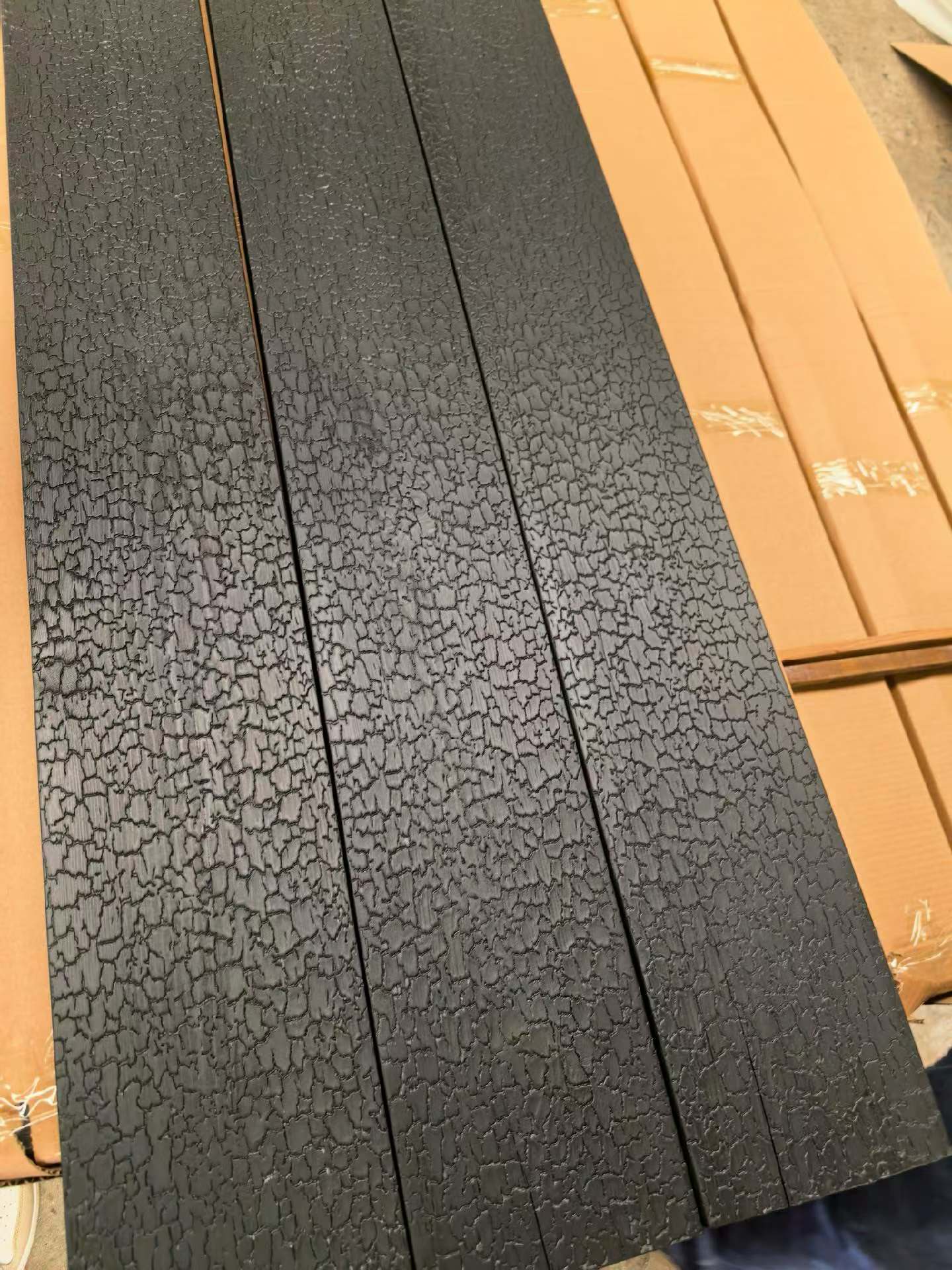
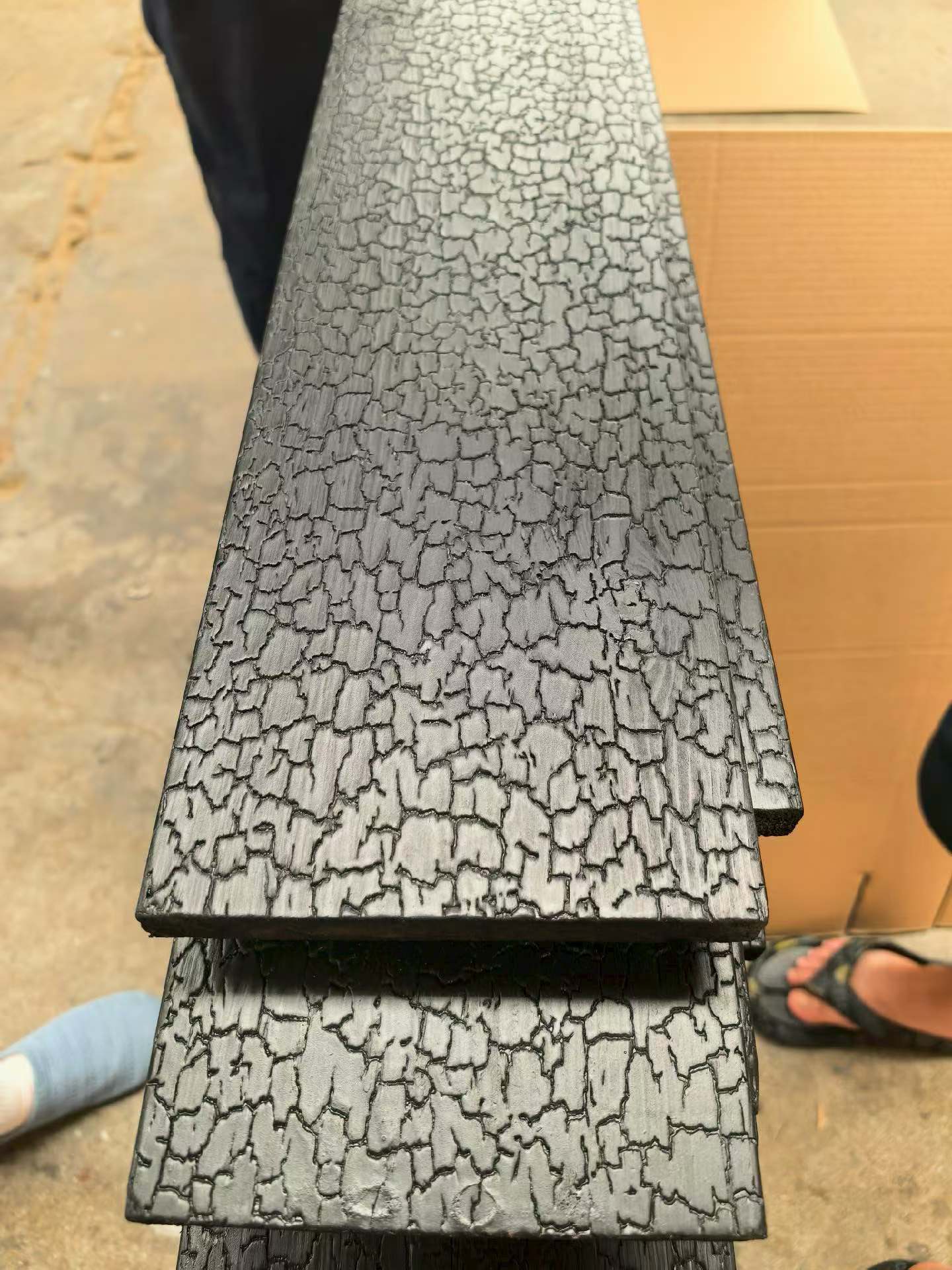
Aesthetic Appeal: The unique, dark finish of carbonised wood adds a sophisticated touch to outdoor designs, making it suitable for high-end residential and commercial projects.
Thermal Stability: Carbonised wood has lower thermal conductivity compared to untreated wood, meaning it can help maintain more stable temperatures in outdoor spaces, contributing to energy efficiency in outdoor living environments.
Biodegradability: Unlike synthetic materials, carbonised thermowood decking boards is biodegradable, making it an environmentally friendly option at the end of its lifecycle.
By incorporating carbonised wood into your projects, you can enhance both the aesthetic and environmental value of your designs, appealing to clients who prioritize sustainability.
In summary, understanding the nuances of sourcing carbonised wood, from specifications to cost factors and common challenges, enables B2B buyers to make well-informed decisions that align with their project goals.
 EN
EN