Sourcing Carbonised Wood for Sustainable Projects

application/carbonised-wood, application/carbonised-wood, 
Inquiry
Inquiry

Carbonised wood

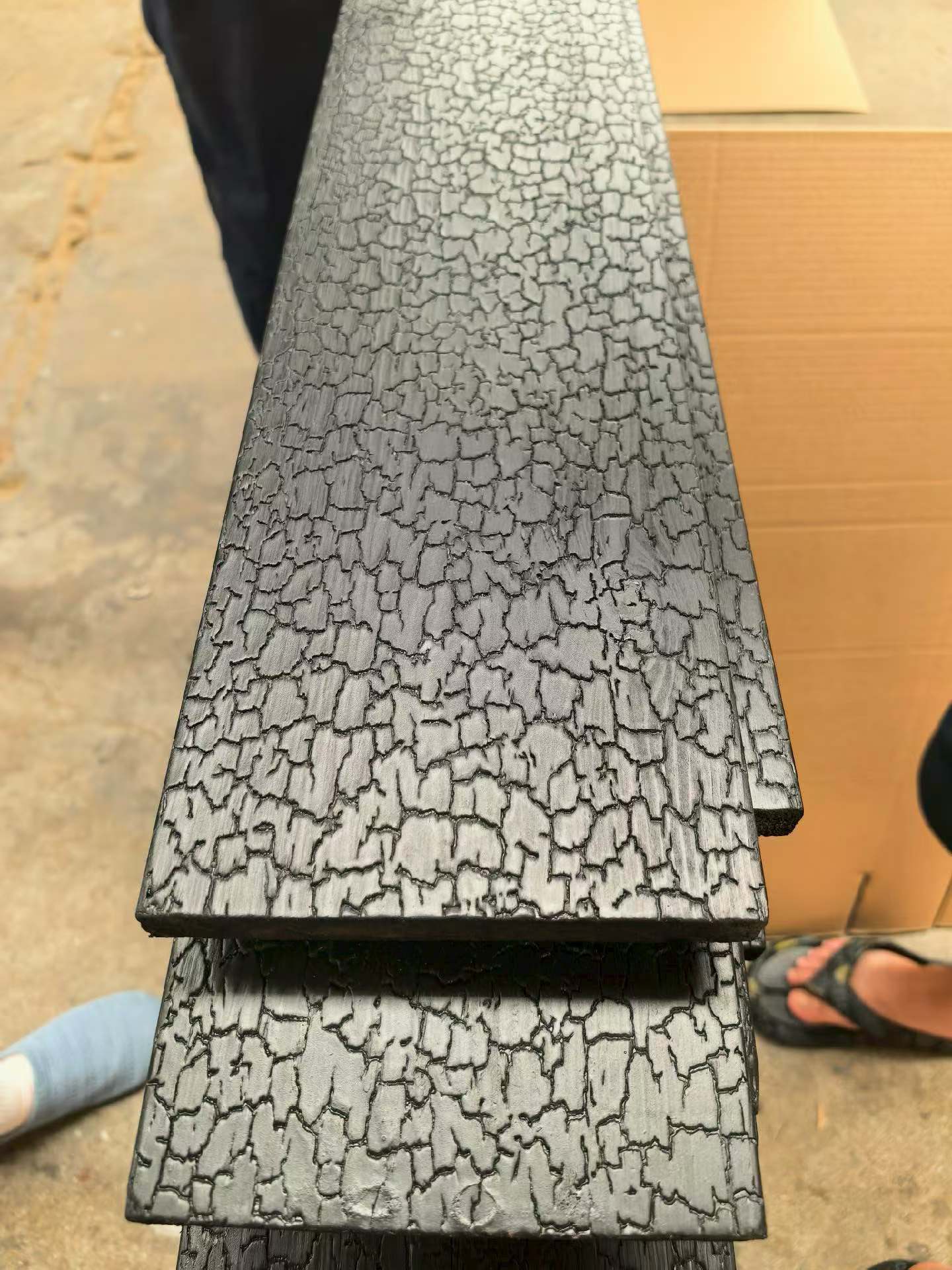
Carbonised wood is an innovative material produced through the process of pyrolysis, where wood is subjected to high temperatures in the absence of oxygen. This process enhances the wood's durability, stability, and resistance to moisture and pests, making it an attractive choice for various applications in outdoor environments. As a B2B carbonised wood, sourcing carbonised wood, cost factors, advantages of carbonised wood buyer, your main concerns may include sourcing high-quality carbonised wood Products, understanding its specifications, and evaluating its cost-effectiveness. This article aims to provide insights into sourcing carbonised wood, key specifications to consider, cost factors, common issues, and the advantages of using this sustainable material in your projects. 

Key Specifications to Review

Key Specifications to Review

When reviewing carbonised wood, several key specifications should be examined to ensure the material meets your project requirements: 

Thickness and Dimensions: The thickness of the carbonised wood should match the structural requirements of your project. For example, thicker boards may be necessary for high-traffic areas or load-bearing applications. 

Moisture Content: The moisture content of the wood affects its stability and durability. Ideally, carbonised wood should have a moisture content between 8% and 12% to minimize the risk of warping or cracking. 

Surface Treatment: Some suppliers may offer additional surface treatments, such as sealants or finishes, which can enhance the wood's resistance to weather elements and prolong its lifespan. 

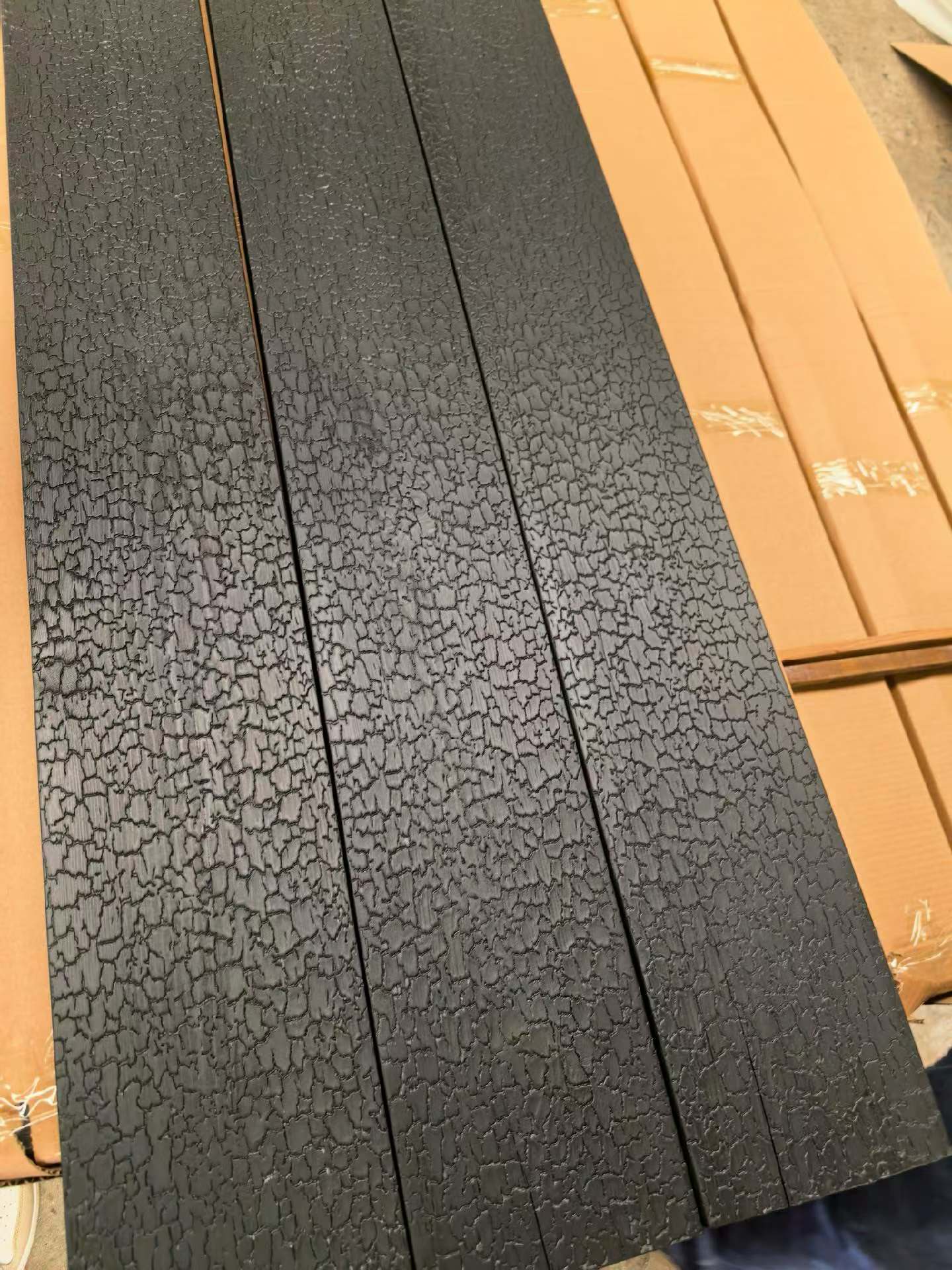
Color and Finish: Carbonised wood typically has a rich, dark hue due to the carbonisation process. However, variations in color may occur depending on the wood species and processing methods. Ensure that the color aligns with your design aesthetic. 

Certifications: Verify if the carbonised wood has any certifications, such as FSC (Forest Stewardship Council) or PEFC (Programme for the Endorsement of Forest Certification), which indicate sustainable sourcing practices. 

By thoroughly reviewing these specifications, you can ensure that the carbonised wood you select will meet both functional and aesthetic requirements for your projects. 

Cost Factors Involved in Purchasing Carbonised Wood Wholesale

Cost Factors Involved in Purchasing Carbonised Wood Wholesale

The cost of carbonised wood can vary significantly based on several factors. Understanding these factors can help you make informed purchasing decisions and manage your budget effectively: 

Quality of Raw Materials: Higher-quality wood species generally command higher prices. The type of wood used for carbonisation can impact the final product's strength, appearance, and durability. 

Production Processes: The complexity of the carbonisation process can affect pricing. Suppliers with advanced technology and more efficient processes may offer better pricing due to lower production costs. 

Customization Requirements: If you require specific dimensions, finishes, or treatments, these customizations may increase the overall cost. Discuss your requirements with suppliers to understand how they affect pricing. 

Order Volume: Bulk orders often lead to discounts. Suppliers may have minimum order quantities (MOQs), and exceeding these thresholds can result in significant savings per unit. 

Shipping and Logistics: Consider transportation costs when sourcing carbonised deck thermowood, especially if purchasing from international suppliers. Shipping logistics can impact lead times and overall project costs. 

By factoring in these cost considerations, you can better prepare for your procurement process and ensure you are getting the best value for your investment. 

Common Problems with Carbonised Wood and Their Solutions

Common Problems with Carbonised Wood and Their Solutions

While carbonised wood offers numerous advantages, it is not without potential issues. Understanding these common problems and their solutions can help you mitigate risks: 

Warping or Cracking: If the moisture content is too high or too low, carbonised wood may warp or crack over time. To prevent this, ensure proper storage conditions before installation and consider applying a sealant to protect against moisture fluctuations. 

Inconsistent Color and Texture: Variations in color and texture can occur due to differences in wood species and carbonisation processes. When ordering, request samples to confirm that the aesthetics meet your expectations before placing a large order. 

Pest Infestation: Although carbonised wood is more resistant to pests than untreated wood, it is still susceptible to infestations. Regular inspections and maintenance can help detect and address any issues early. 

Limited Availability: Not all suppliers may have consistent access to high-quality raw materials for carbonisation. Establish relationships with reliable suppliers who have a proven track record of delivering quality products consistently. 

By being aware of these common issues and taking proactive measures, you can ensure the longevity and performance of your carbonised wood projects. 

Advantages of Using Carbonised Wood in Sustainable Building Projects

Sustainability is a growing concern in the construction and landscaping industries, making carbonised wood an appealing choice for eco-conscious buyers. Here are some advantages of using this material in sustainable building projects: 

Enhanced Durability: The carbonisation process significantly increases the wood's resistance to decay, insects, and weathering, reducing the need for chemical treatments and maintenance. 

Sustainable Sourcing: When sourced from responsibly managed forests, carbonised wood supports sustainable forestry practices, helping to preserve ecosystems and reduce carbon footprints. 

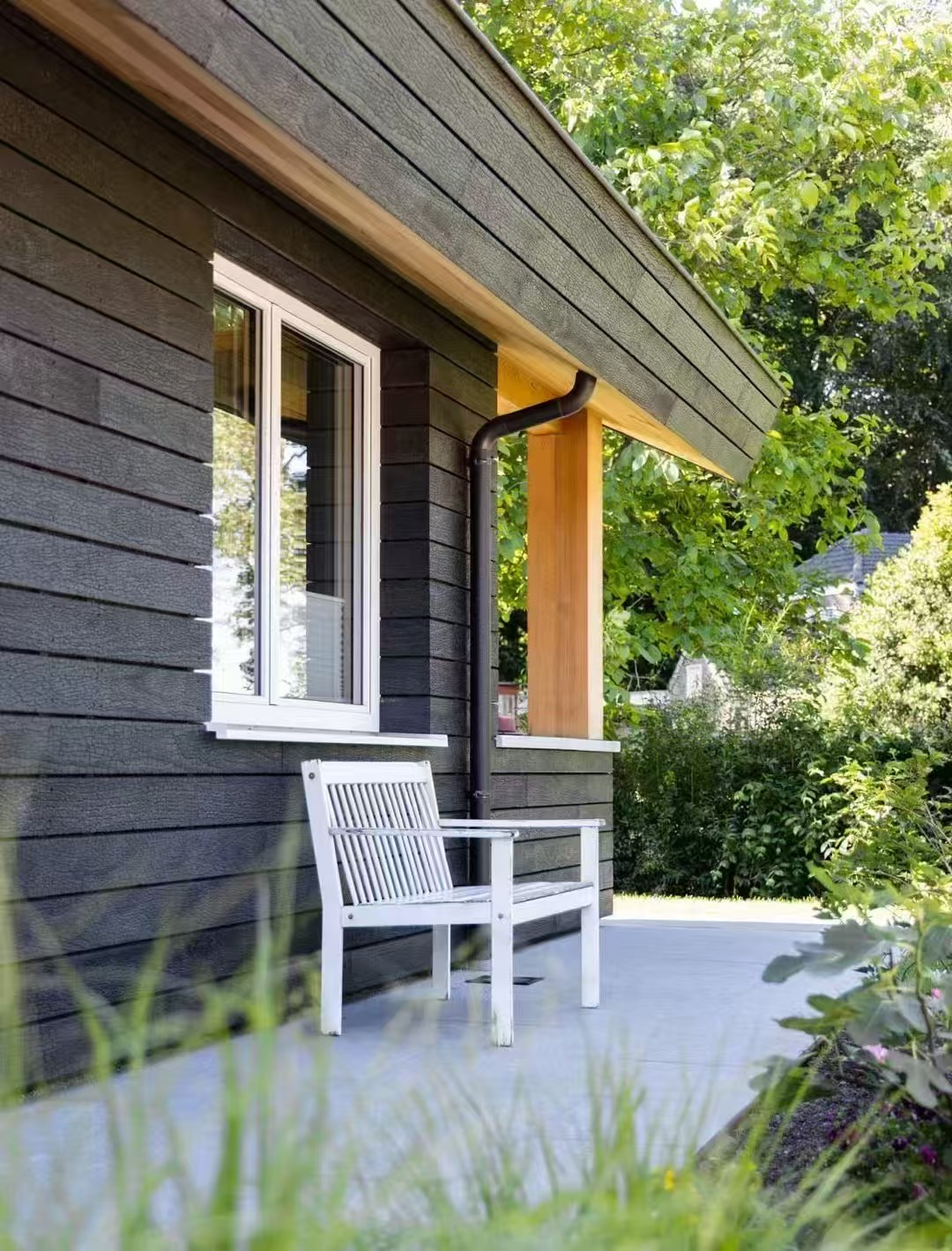
Aesthetic Appeal: The unique, dark finish of carbonised wood adds a sophisticated touch to outdoor designs, making it suitable for high-end residential and commercial projects. 

Thermal Stability: Carbonised wood has lower thermal conductivity compared to untreated wood, meaning it can help maintain more stable temperatures in outdoor spaces, contributing to energy efficiency in outdoor living environments. 

Biodegradability: Unlike synthetic materials, carbonised thermowood decking boards is biodegradable, making it an environmentally friendly option at the end of its lifecycle. 

By incorporating carbonised wood into your projects, you can enhance both the aesthetic and environmental value of your designs, appealing to clients who prioritize sustainability. 

In summary, understanding the nuances of sourcing carbonised wood, from specifications to cost factors and common challenges, enables B2B buyers to make well-informed decisions that align with their project goals. 

What to Consider When Sourcing Carbonised Wood for Your Projects

When sourcing carbonised wood, it's essential to consider several factors that can significantly affect your project's success. First, assess the intended application of the wood—will it be used for outdoor furniture, decks, or structural components? Each application may require different specifications and qualities. 

Next, evaluate the supplier's manufacturing capabilities, including their production processes and quality control systems. A reliable supplier should provide details about their sourcing of raw materials, as the quality of the wood used in carbonisation directly impacts the final product's durability and performance. 

Additionally, consider the supplier's customization capabilities. Depending on your project's requirements, you may need specific dimensions, finishes, or treatments that align with your design vision. Open communication with potential suppliers about your needs will help ensure you receive a product that meets your expectations. 

Frequently Asked Questions

What is carbonised wood?

Carbonised wood is timber heat-treated to enhance stability, appearance and weather resistance, commonly used for outdoor decking, pergolas and cladding.
Heat treatment improves dimensional stability and decay resistance, but regular maintenance and proper installation ensure long-term performance in outdoor settings.
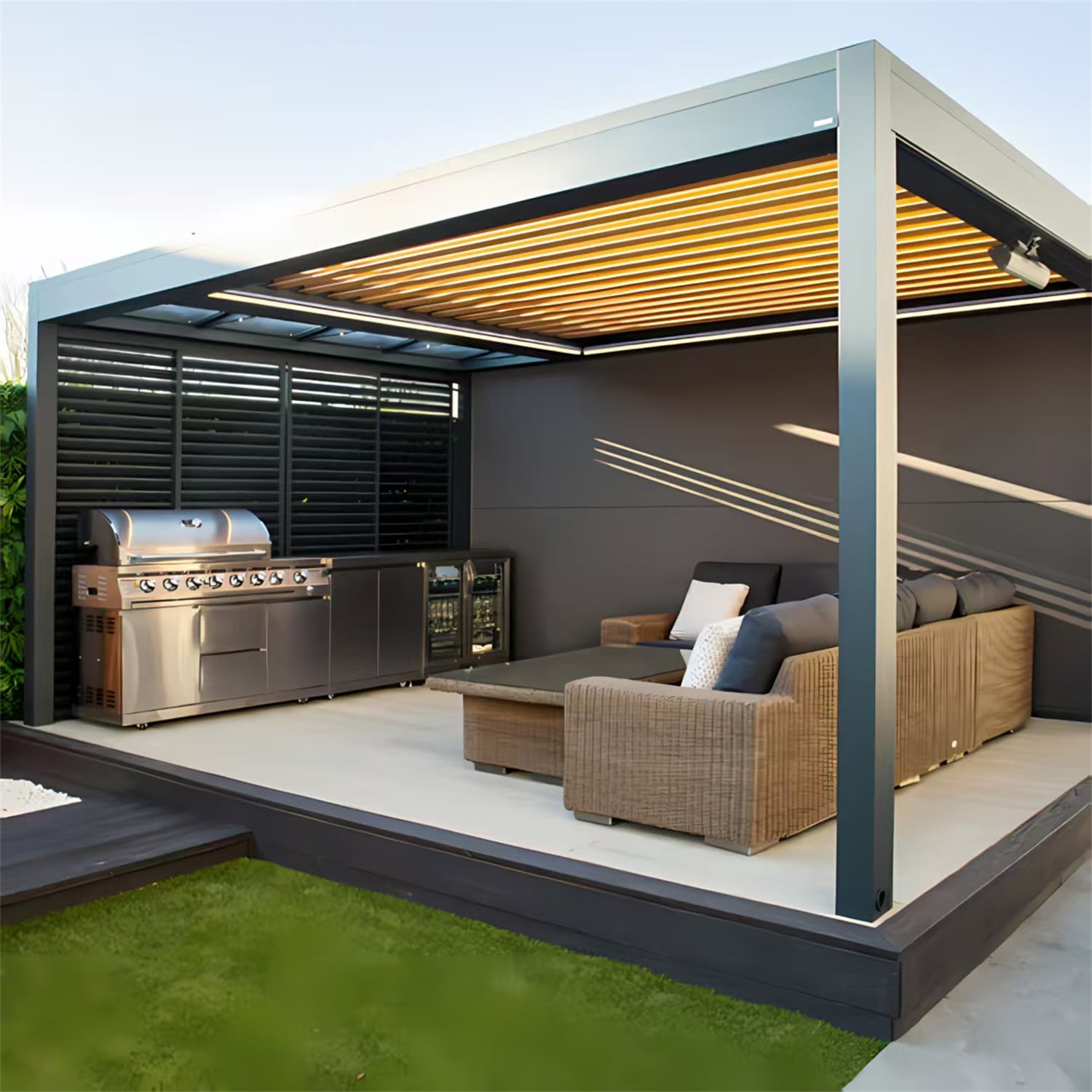
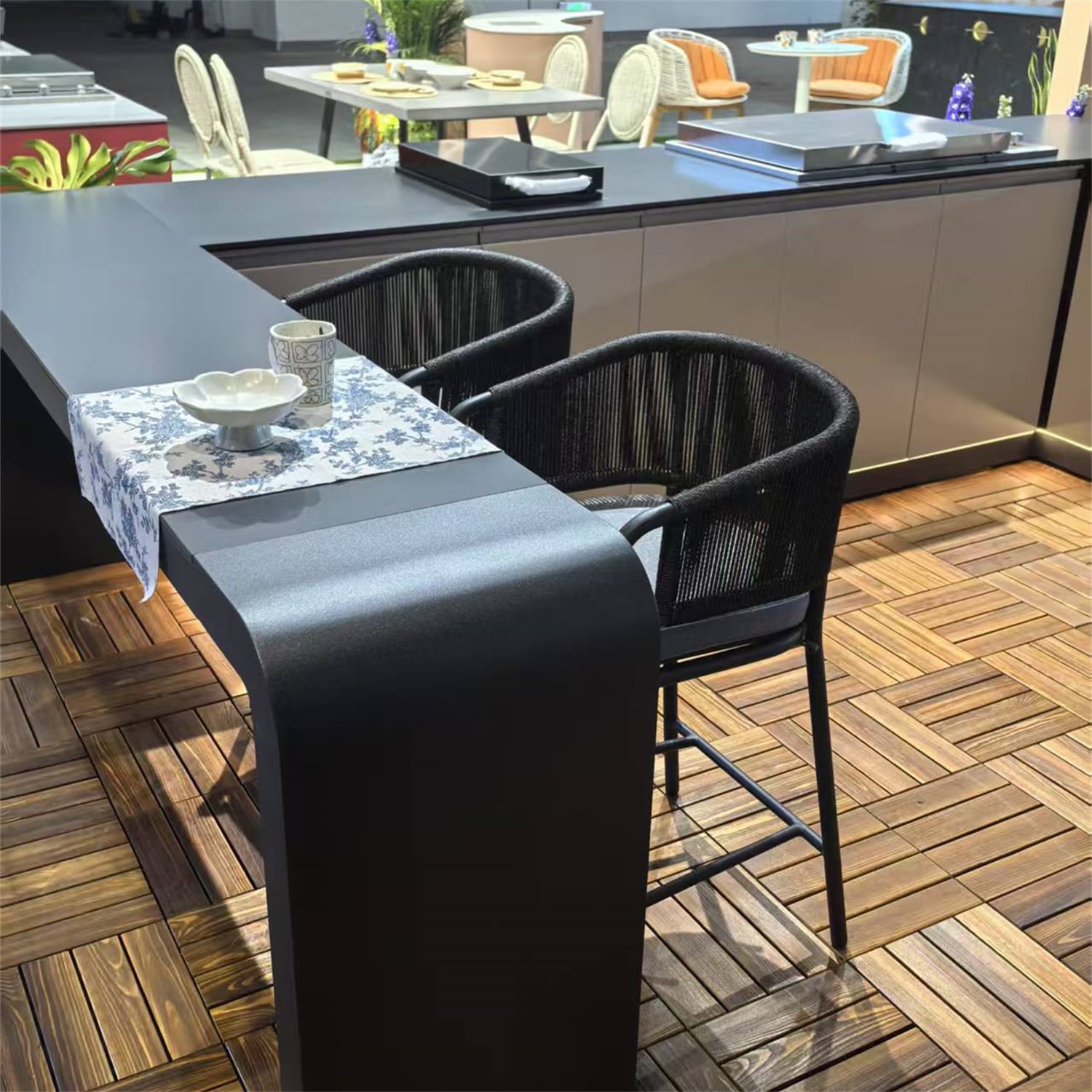
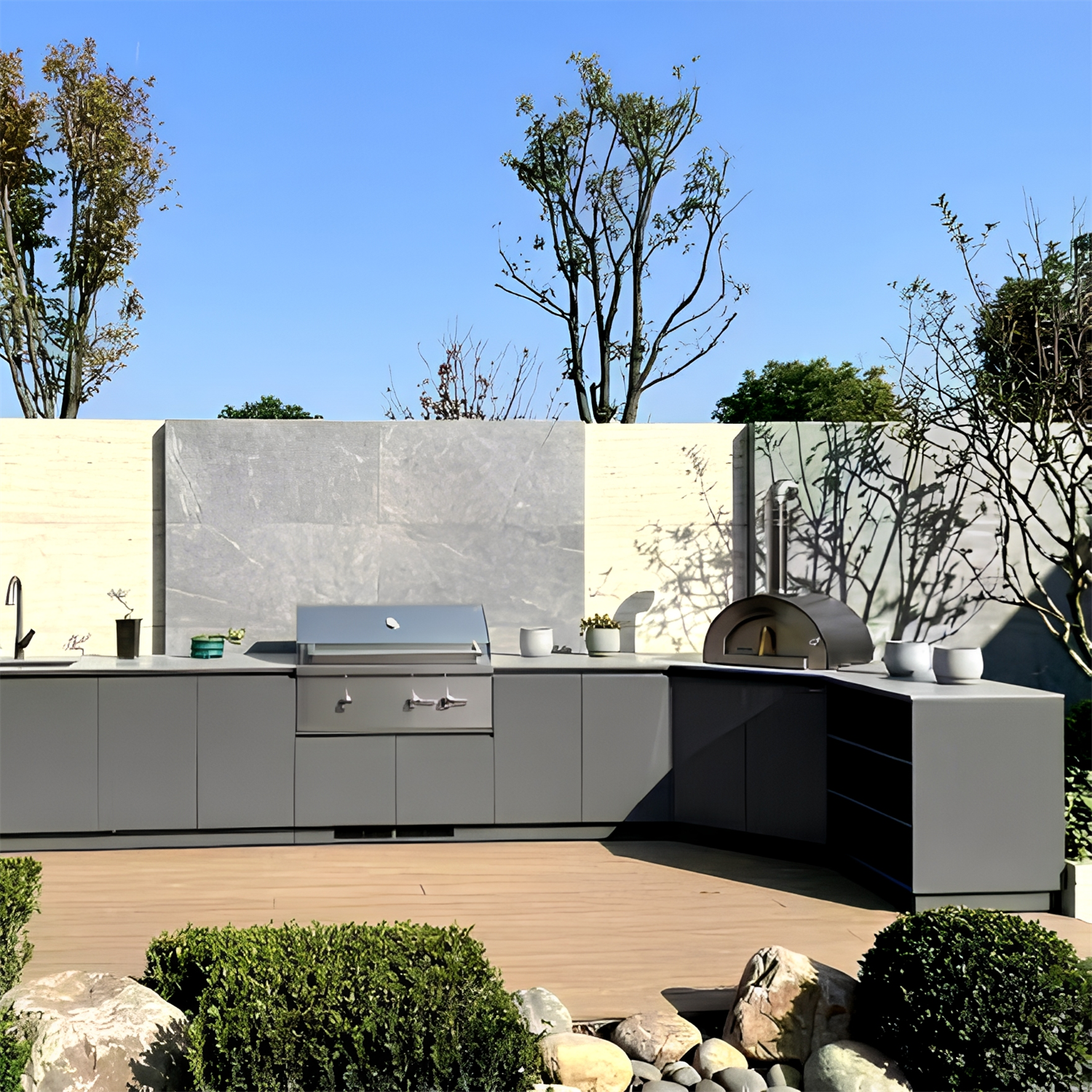
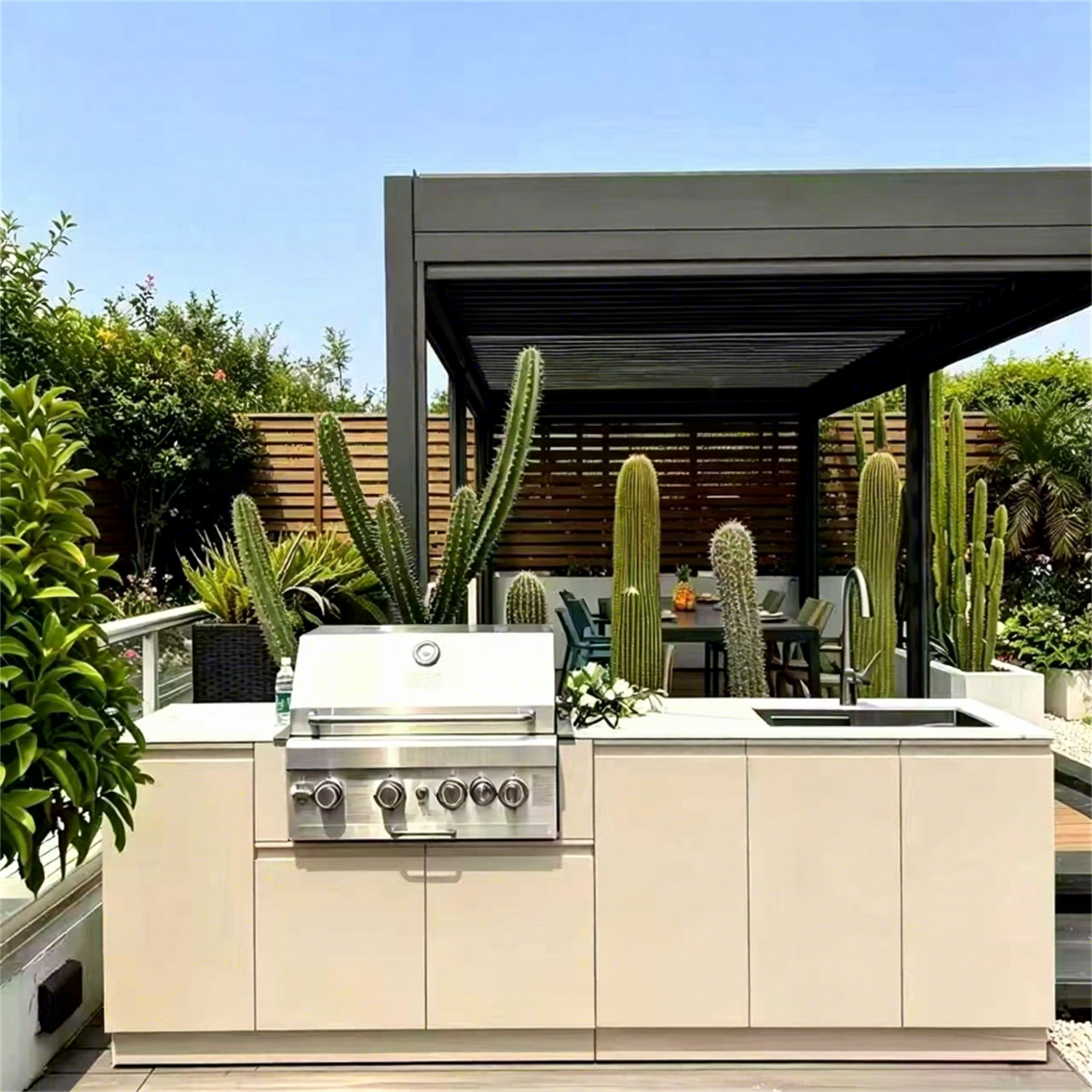
Yes. Its improved stability and aesthetic finish make it ideal for pergolas, decking and outdoor kitchen surrounds when combined with proper sealing.
Periodic cleaning, inspection and application of suitable outdoor sealant or oil every 1–3 years depending on exposure will preserve appearance and longevity.
Yes. We provide thermowood and related systems for residential and commercial projects, offering specifications, quantities and installation support.

Get a Free Quote

Our representative will contact you soon.
0/1000