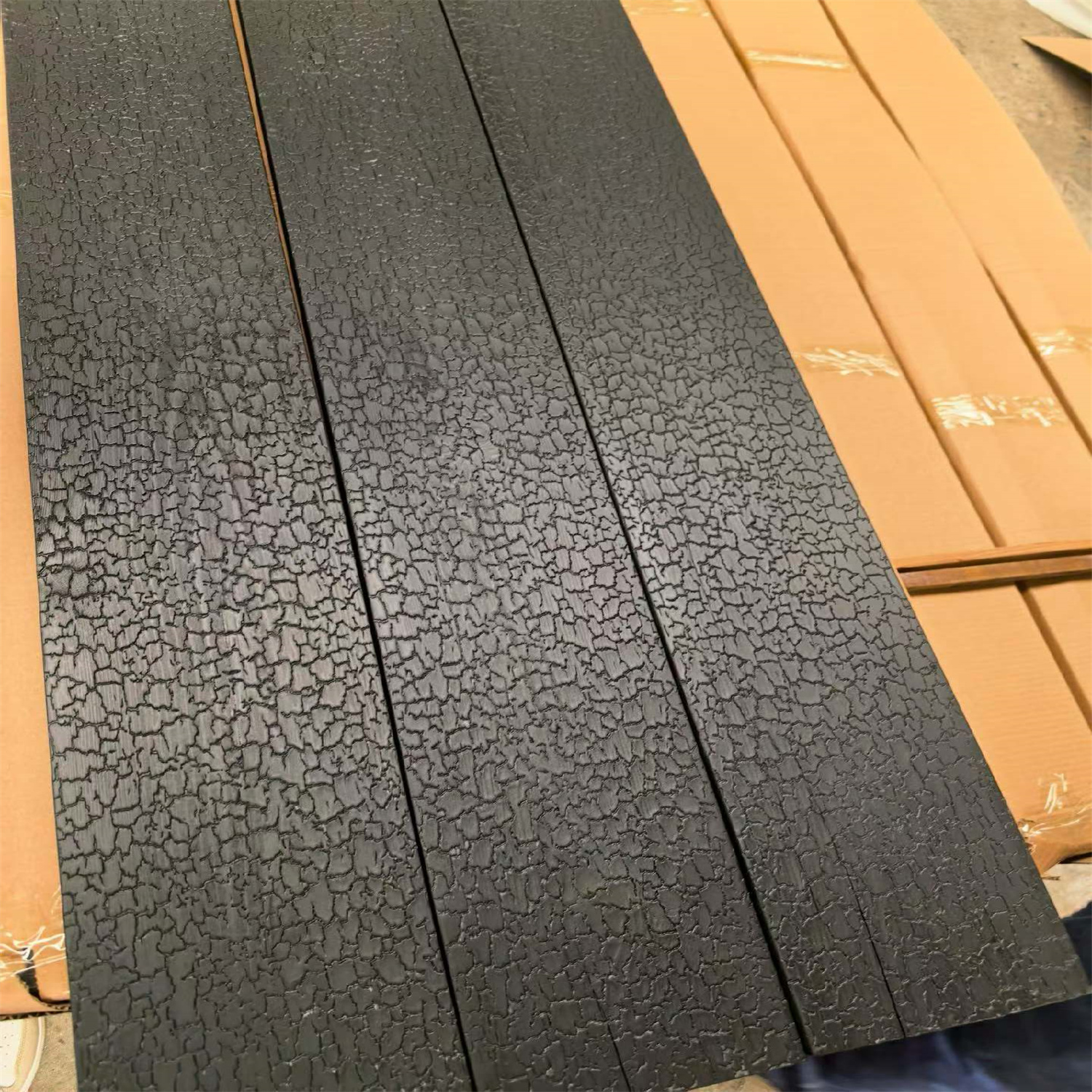
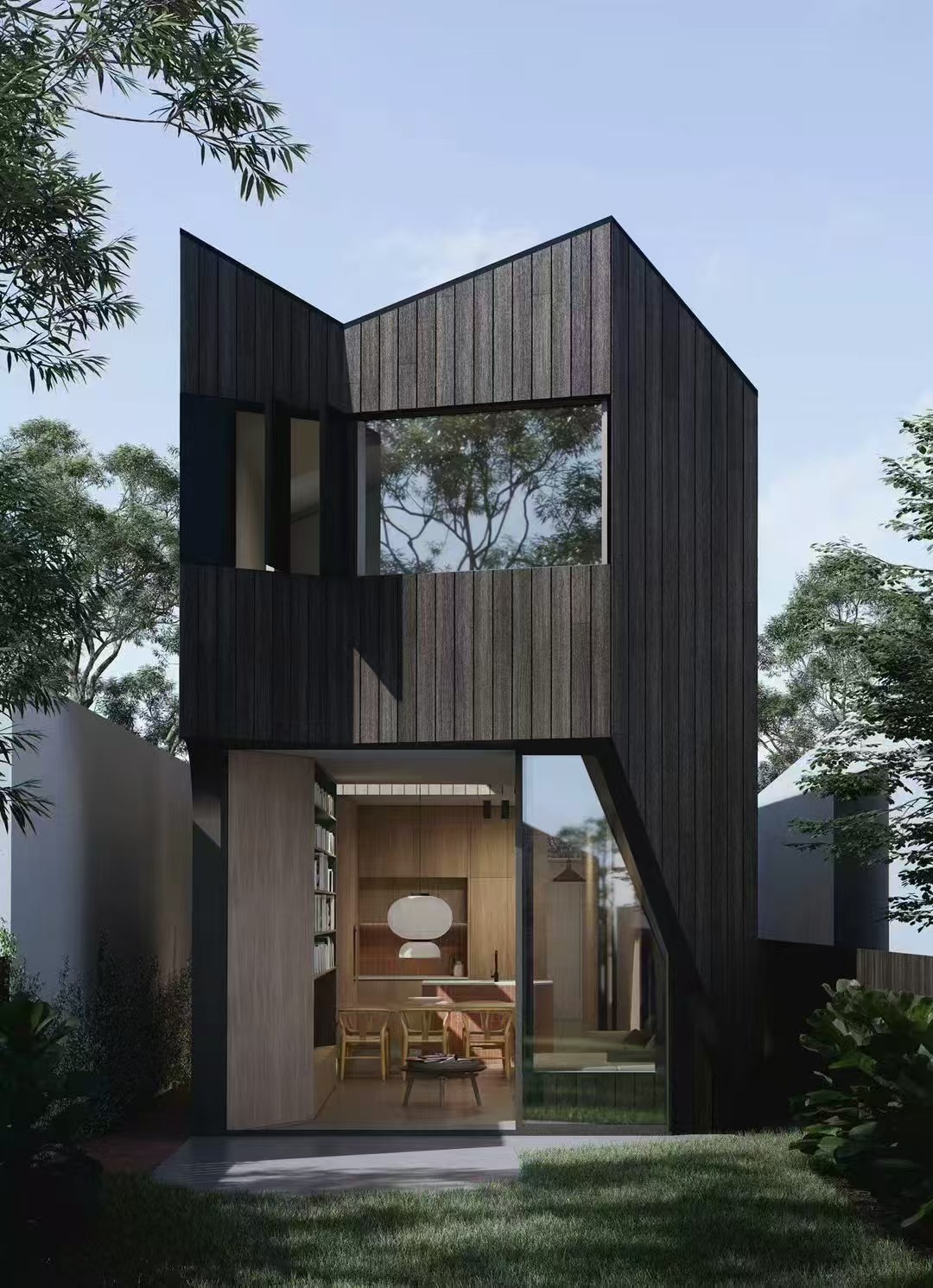
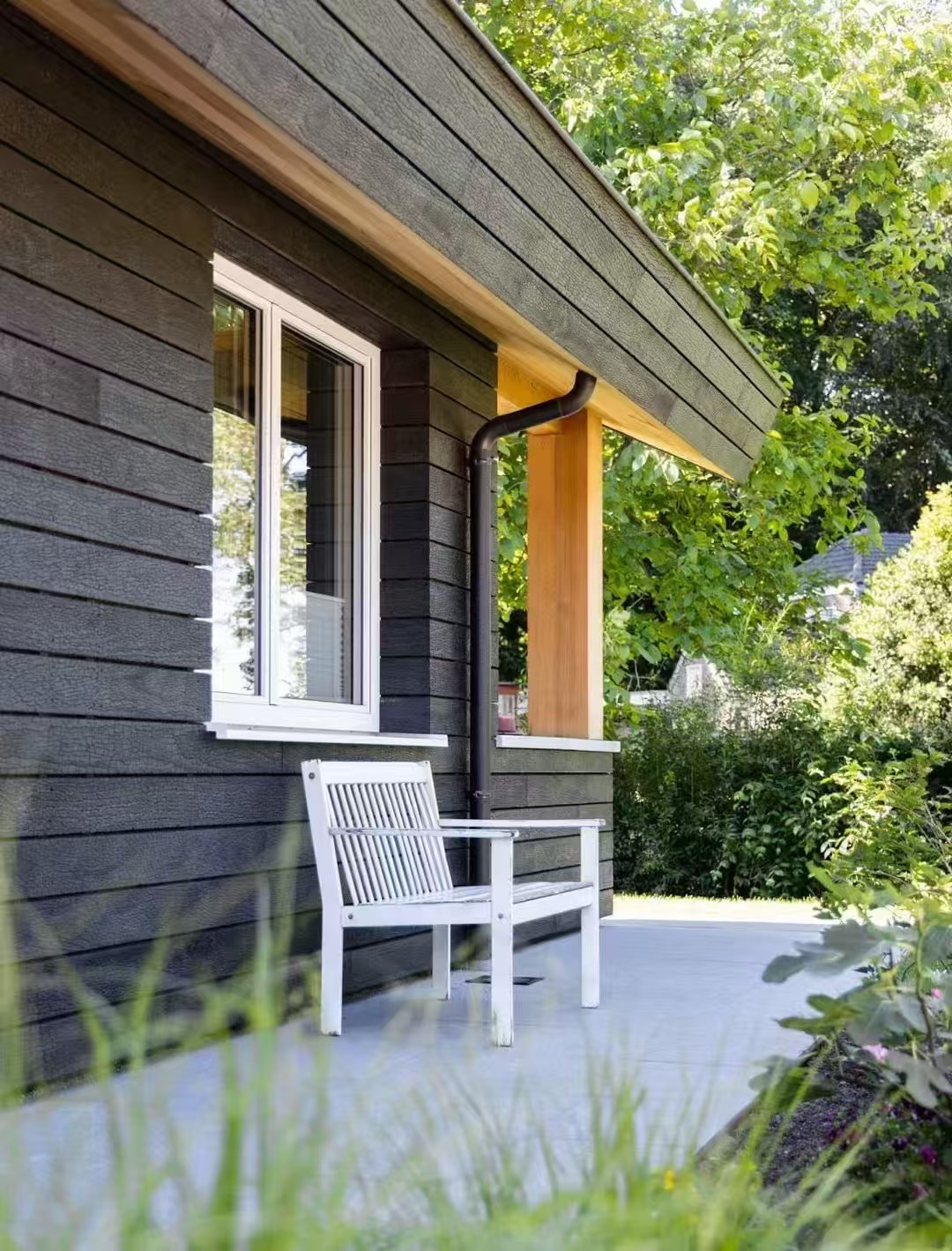
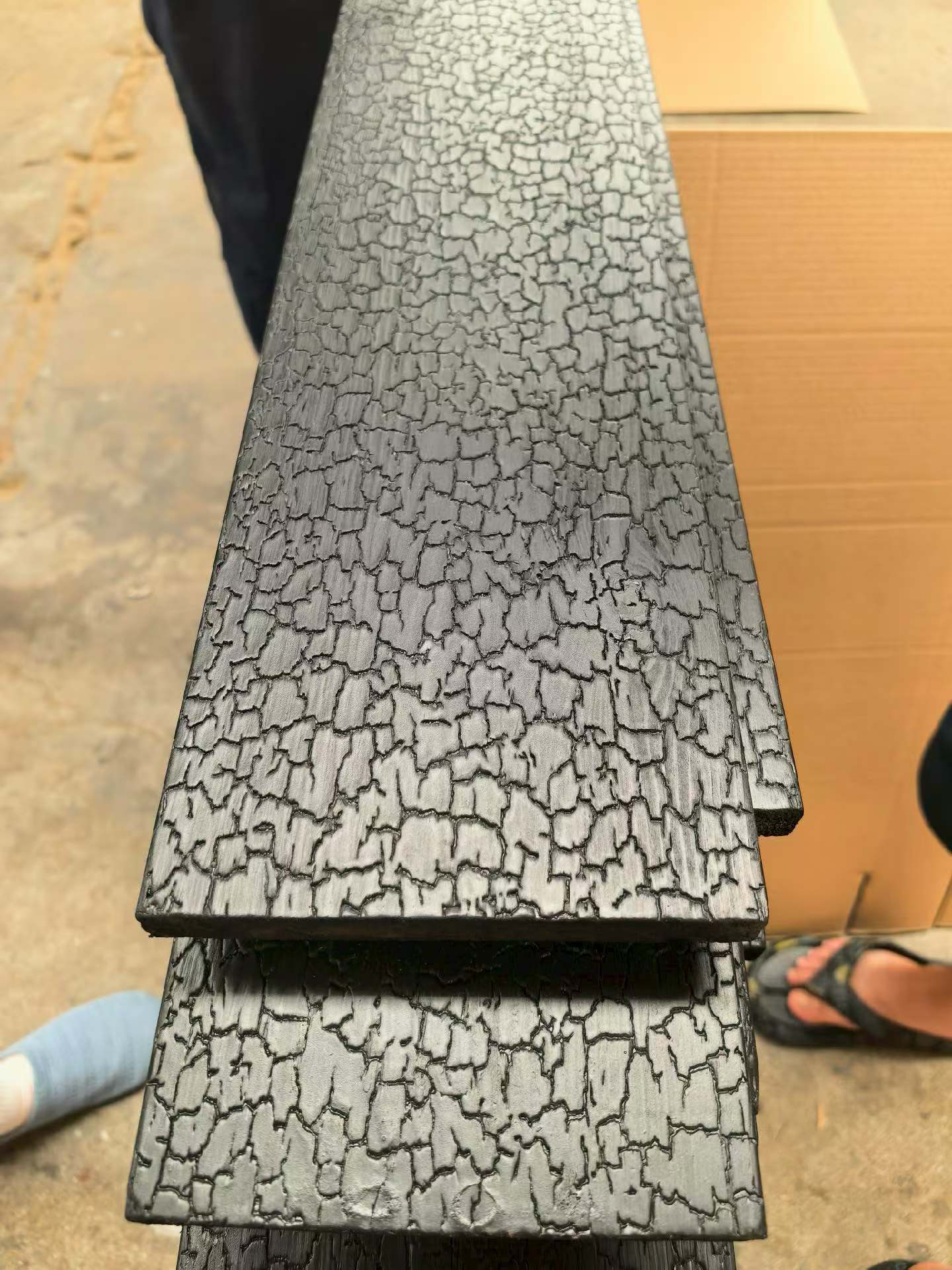
Key Specifications of Carbonized Wood for Importers

application/carbonized-wood, application/carbonized-wood, 
Inquiry
Inquiry

Carbonized wood

Carbonized wood, a unique product derived from the thermal modification of timber, offers a blend of durability and aesthetic appeal, making it an excellent choice for outdoor applications. As a purchasing manager, distributor, or engineer, your concerns likely revolve around product specifications, cost implications, installation processes, and potential issues that may arise with this material. This article will provide a comprehensive guide to deck THERMOWOOD, helping you make informed decisions when incorporating this innovative material into your projects. 

Cost Factors to Consider When Purchasing Carbonized Wood in Bulk

Cost Factors to Consider When Purchasing Carbonized Wood in Bulk

When purchasing carbonized wood in bulk, several cost factors should be considered to ensure you stay within budget while meeting quality standards: 

Raw Material Costs: The price of the original timber species significantly impacts the overall cost. For example, oak may be more expensive than pine due to its superior properties. 

Production Process: The thermal modification process requires specialized equipment and energy, which can affect pricing. Ensure that your supplier’s process is efficient and sustainable to avoid inflated costs. 

Volume Discounts: Many manufacturers offer price breaks for larger orders. Understanding the minimum order quantities (MOQ) can help you negotiate better  pricing. 

Shipping Costs: Consider transportation expenses when importing carbonized wood. Shipping distances, weight, and packaging can all influence the total cost. 

Storage and Handling: If the product will be stored before installation, factor in costs related to proper storage conditions to maintain quality. 

By keeping these factors in mind, you can better prepare for negotiations and ensure that you receive the best value for your investment. 

Installation Guidance for Carbonized Wood in Outdoor Spaces

Installation Guidance for Carbonized Wood in Outdoor Spaces

Installing carbonized wood in outdoor spaces requires careful planning and execution. Here are some key guidelines to follow: 

Preparation: Ensure that the installation area is clean and free from debris. A well-prepared base will help prevent issues like uneven surfaces or moisture accumulation.  

Tools Needed: Use appropriate tools for cutting and fastening, such as a circular saw, drill, and screws specifically designed for wood applications. 

Spacing: When laying boards, maintain adequate spacing (typically 1/8 inch) between planks to allow for expansion and contraction due to temperature and humidity changes. 

Sealing: While carbonized wood is naturally resistant to moisture, applying a sealant can enhance its longevity and appearance. Choose a sealant that is compatible with the wood type and the intended environmental conditions. 

Regular Maintenance: To preserve the beauty and integrity of carbonised wood, establish a routine maintenance schedule. This may include cleaning, resealing, and inspecting for any signs of wear or damage. 

Following these guidelines will help ensure a successful installation, allowing you to fully enjoy the benefits of carbonized wood in your outdoor projects. 

Common Problems with Carbonized Wood and Effective Solutions

Common Problems with Carbonized Wood and Effective Solutions

While carbonized wood offers many advantages, it can present challenges if not handled properly. Here are some common problems and solutions: 

Warping: If the moisture content is too high during installation, warping can occur. Always check moisture levels and allow the wood to acclimate to the environment before installation. 

Surface Scratching: The finish on carbonized wood can be susceptible to scratches. Use protective mats or pads under furniture and avoid dragging heavy objects across the surface.  

Fading: Exposure to UV light can cause fading over time. Applying a UV-resistant sealant can help maintain color and prevent damage. 

Insect Infestation: Although carbonized wood is more resistant to pests, improper storage can lead to infestations. Store wood in a dry, ventilated area, elevated off the ground to prevent moisture buildup. 

By being aware of these potential issues and implementing preventative measures, you can ensure the longevity and performance of carbonized wood in your outdoor applications. 

Benefits of Choosing Carbonized Wood for Sustainable Building Projects

Choosing carbonized wood for sustainable building projects offers numerous environmental and practical benefits: 

Sustainability: The thermal modification process enhances the wood's natural properties without the use of harmful chemicals, making it a sustainable choice for eco-conscious projects. 

Durability: Carbonized wood is highly resistant to rot, decay, and insect damage, which reduces the need for chemical treatments and extends its lifespan. 

Aesthetic Appeal: The unique, rich color and texture of carbonized wood can enhance the visual appeal of outdoor spaces, providing a natural look that complements various architectural styles. 

Low Maintenance: Due to its enhanced resistance to the elements, carbonized wood requires less maintenance than untreated wood, saving time and costs over the lifespan of the material. 

Thermal Performance: Carbonized wood can provide better thermal insulation properties, helping to regulate temperatures in outdoor environments. 

Incorporating carbonized wood into your building projects not only supports sustainability goals but also ensures a high-quality, durable product that meets the demands of modern outdoor living spaces. 

Key Specifications of Carbonized Wood for Importers and Distributors

Understanding the key specifications of carbonized wood is essential for importers and distributors. Carbonized wood is produced by subjecting timber to high temperatures in an oxygen-controlled environment. This process enhances its resistance to decay and insect damage while altering its color to a rich, dark hue. 

When evaluating carbonized wood, consider the following specifications: 

Material Type: Commonly used woods include pine, oak, and ash. Each type offers different durability and aesthetic qualities. 

Dimensions: Typical dimensions can vary but commonly include thickness (e. g., 20mm to 40mm), width, and length. It's crucial to ensure that these dimensions meet project requirements. 

Moisture Content: Proper moisture content (ideally below 20%) is vital to prevent warping and ensure longevity. 

Density: The density of THERMOWOOD decking can affect its strength and durability. Higher density usually translates to better performance in outdoor applications. 

Finish: Surface treatment options can range from natural finishes to more protective coatings, affecting both appearance and maintenance. 

These specifications are critical as they determine the suitability of carbonized wood for various applications, including outdoor kitchens, pergolas, and decking systems. 

Frequently Asked Questions

What is carbonized wood and how is it made?

Carbonized wood is timber thermally modified at high temperatures to stabilize, darken, and improve durability. The process reduces moisture and organic sugars, producing a weather-resistant, low-maintenance material ideal for outdoor use.
It is ideal for decking, pergolas, cladding, furniture, and outdoor kitchens due to improved dimensional stability, resistance to decay, and an attractive dark finish that complements landscape designs.
With proper installation and periodic maintenance, carbonized wood can last many years. Longevity depends on climate, exposure, fastening methods, and maintenance like cleaning and occasional oiling.
Yes. Thermal modification enhances dimensional stability and reduces biological decay, making it suitable for residential and commercial outdoor projects when specified and installed correctly.
Routine cleaning with mild detergent, removing debris, and optional annual oiling preserve appearance. Avoid harsh chemicals or high-pressure washing to maintain the finish and surface integrity.

Get a Free Quote

Our representative will contact you soon.
0/1000